Road to Hana

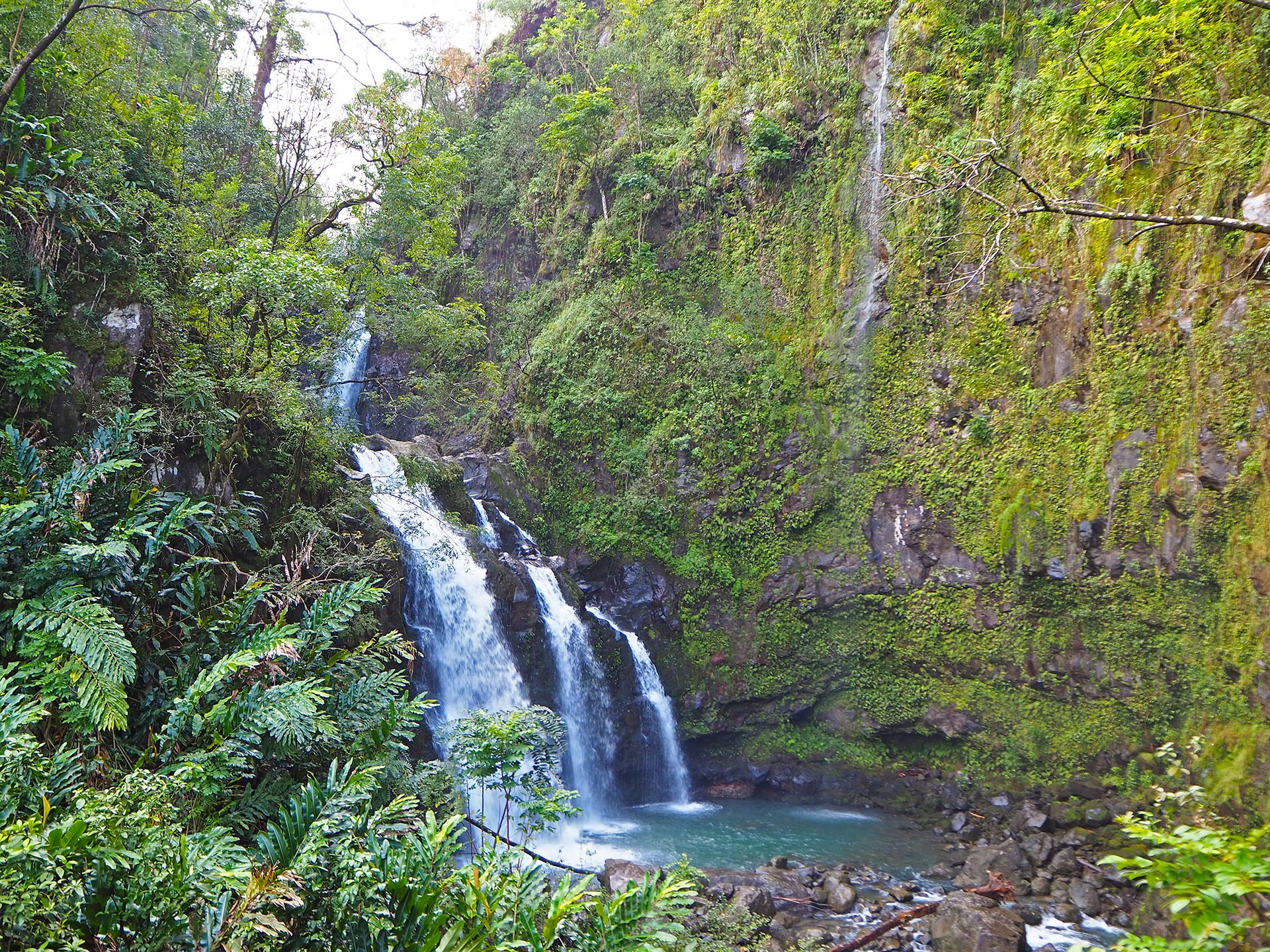
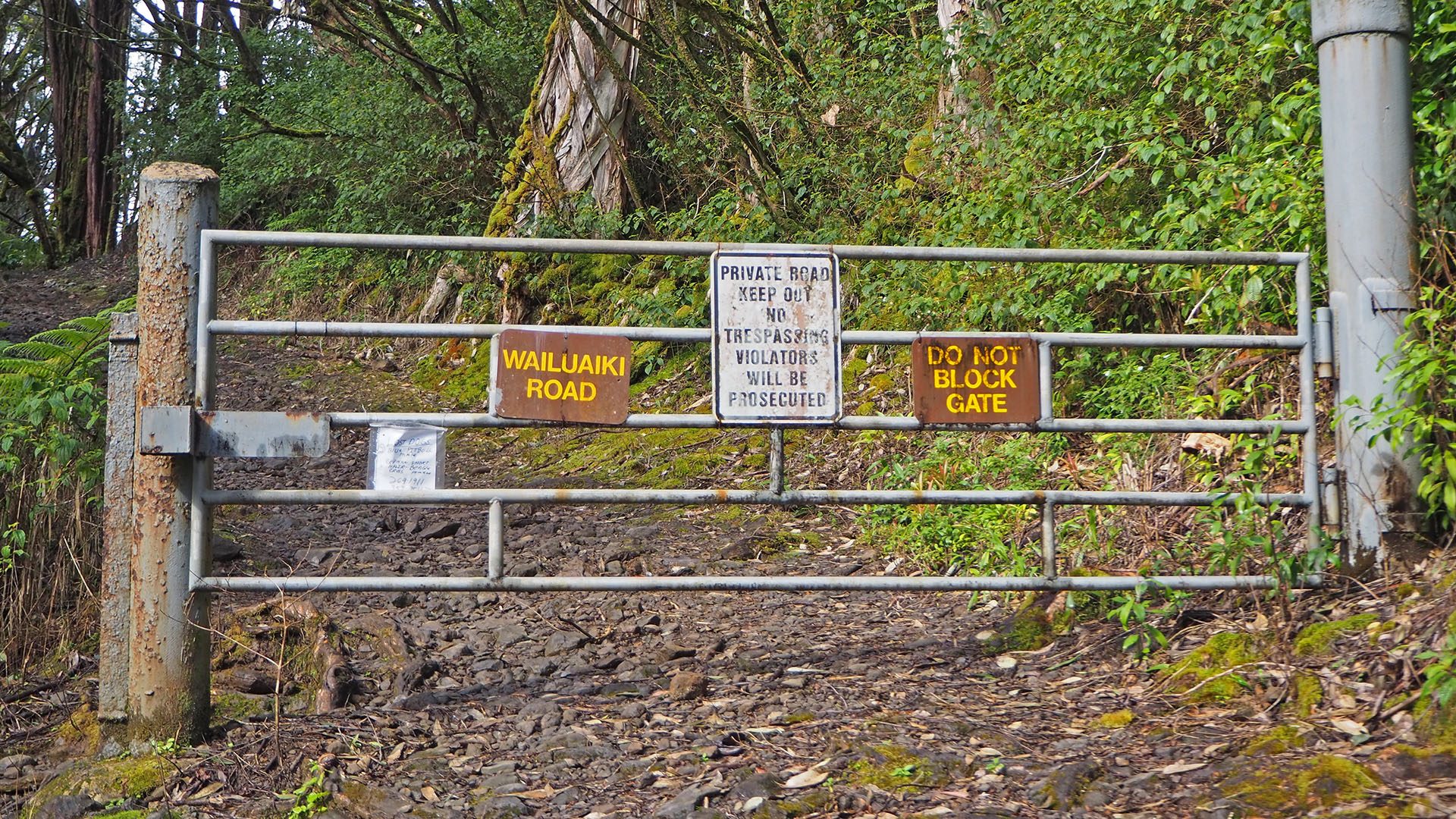
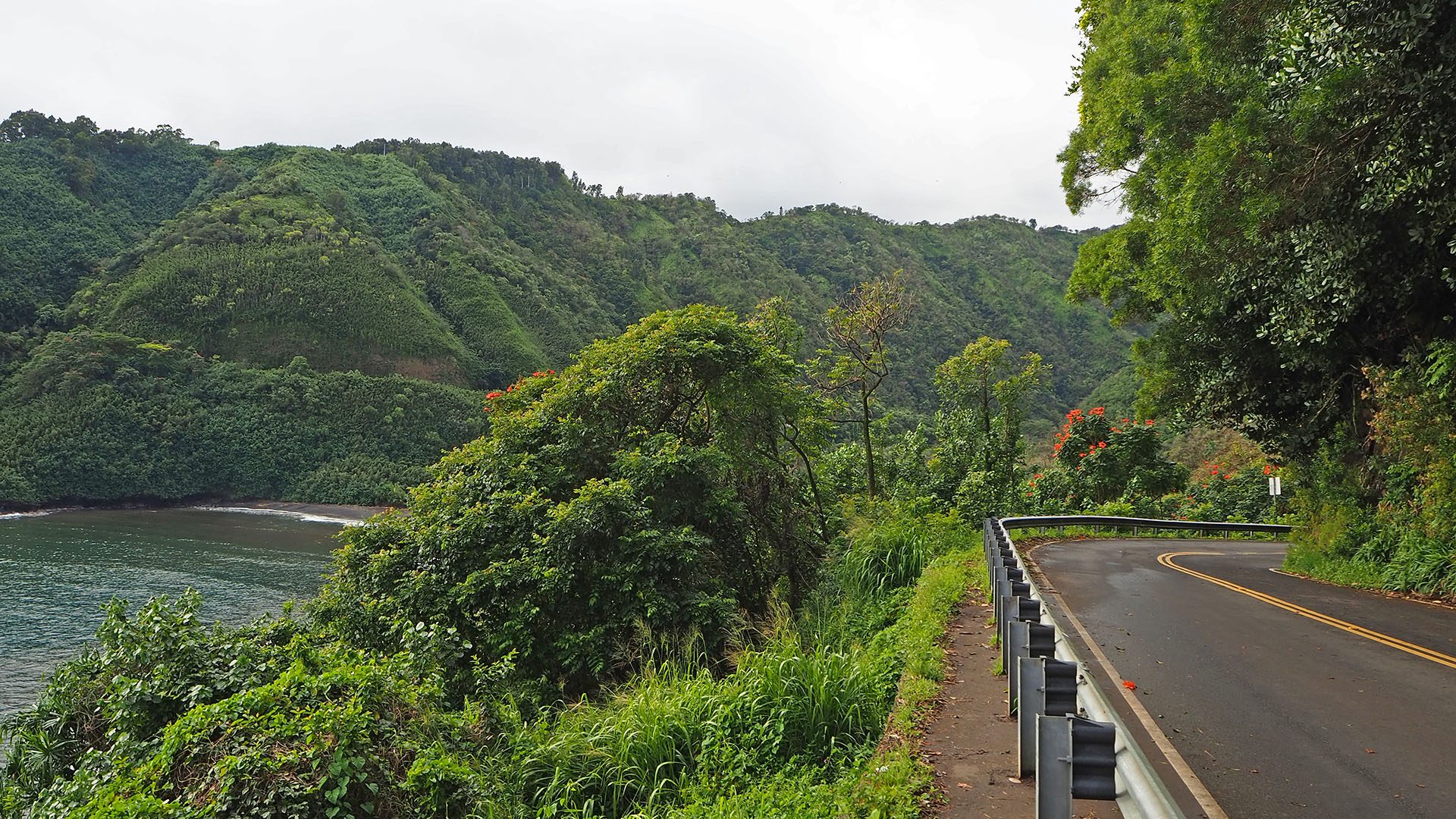
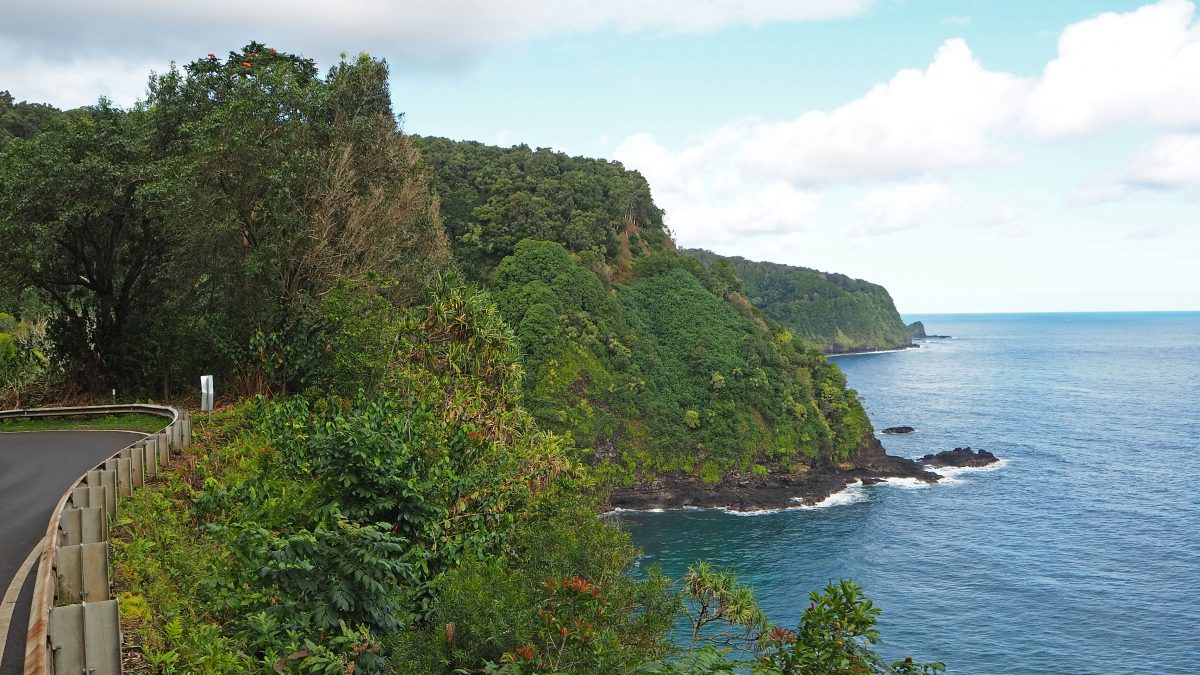
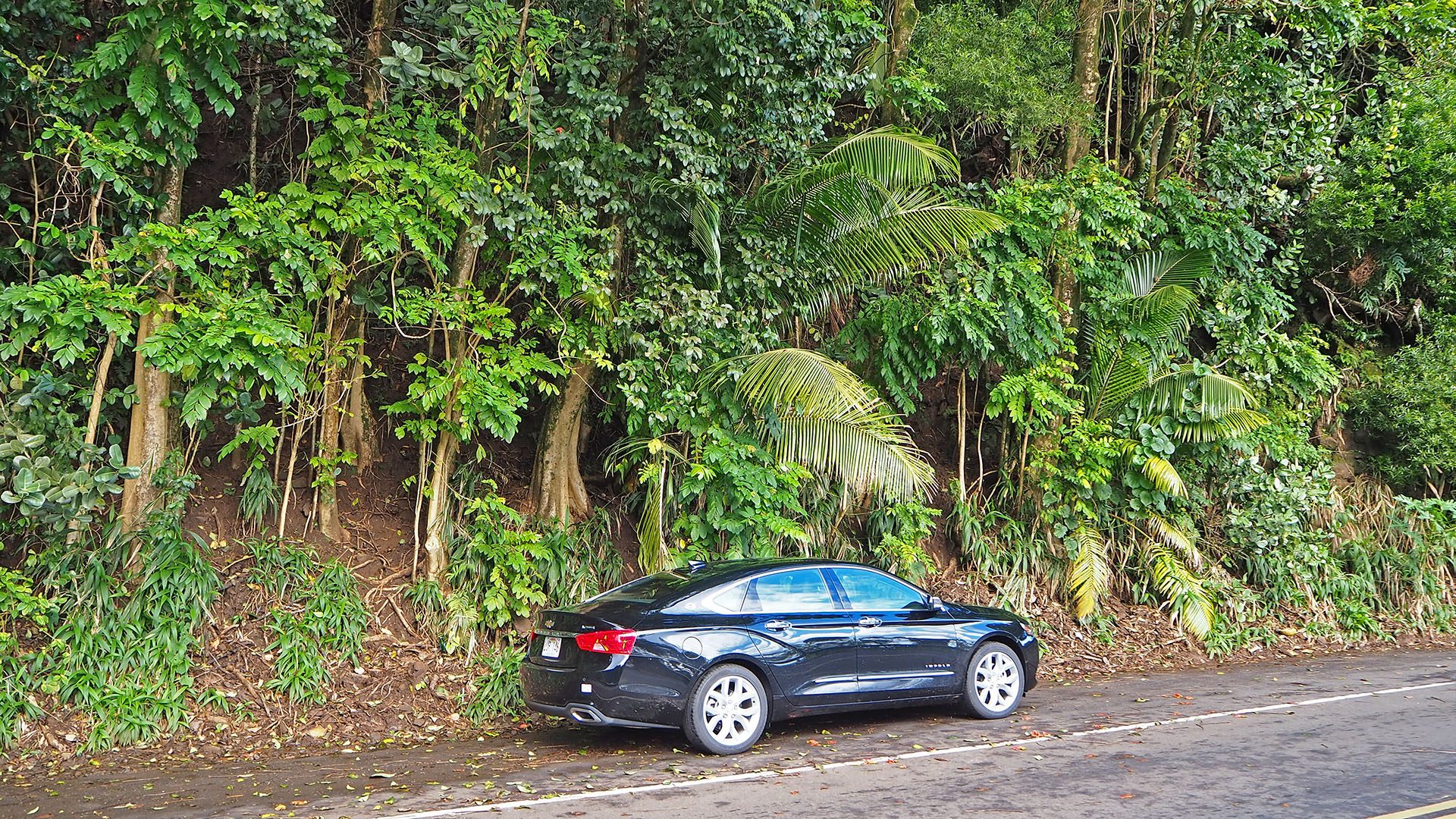
Every guidebook on Hawaii lists the Road to Hana as a must-do on Maui. Usually, they also warn you not to start driving late, so we set our alarms to 6 a.m. Still, we were not the first ones on Hwy 336, which makes things a bit… hectic. The road’s purpose was to connect smaller towns around the island and not to achieve a touristic target. This means: many one-way bridges, hardly stopping / parking possibilities at the points of interest and sometimes dangerous traffic situations. Also, some spots are difficult to catch, even with google maps app running, or they are on private property and are now closed for public.

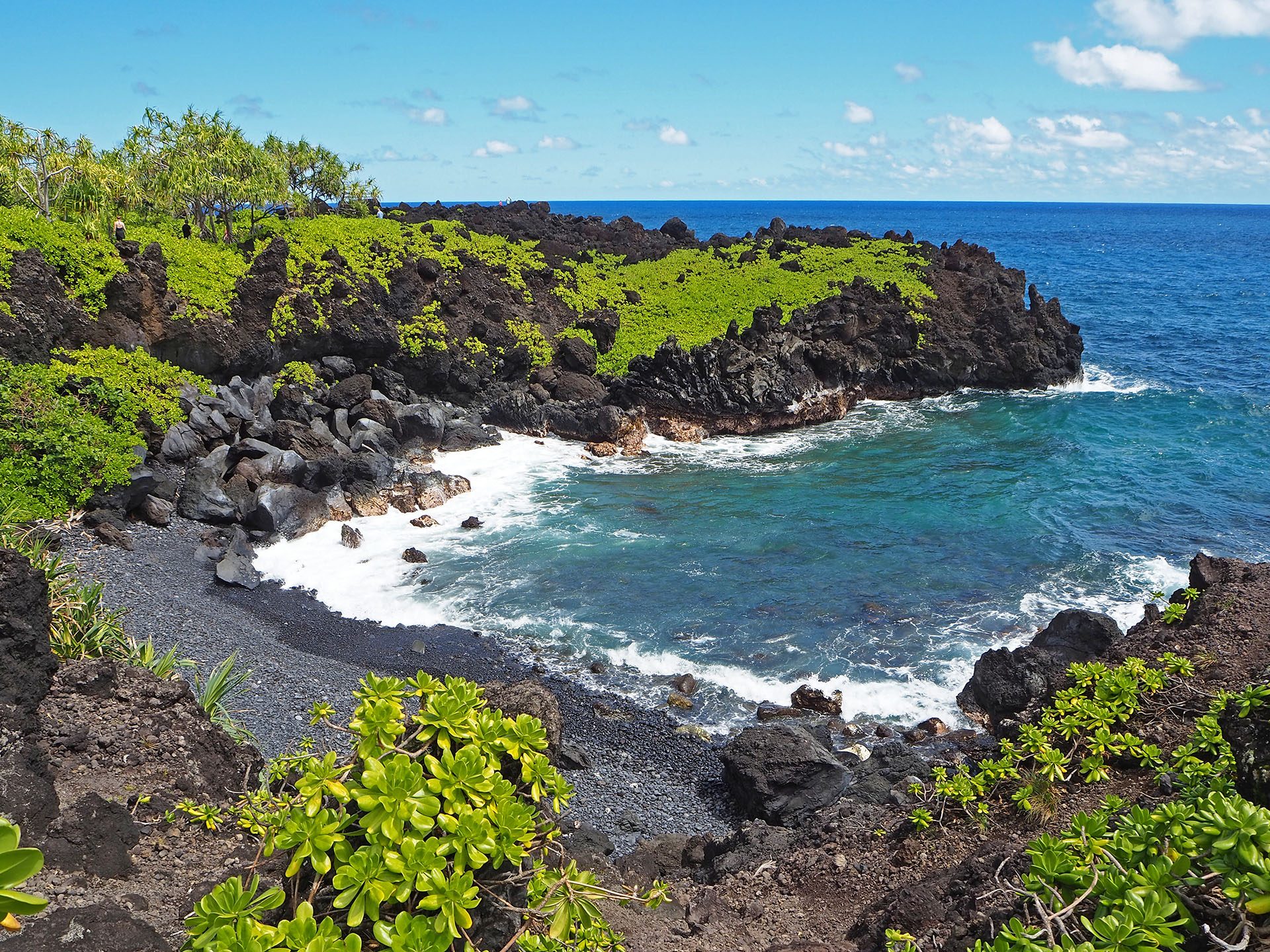
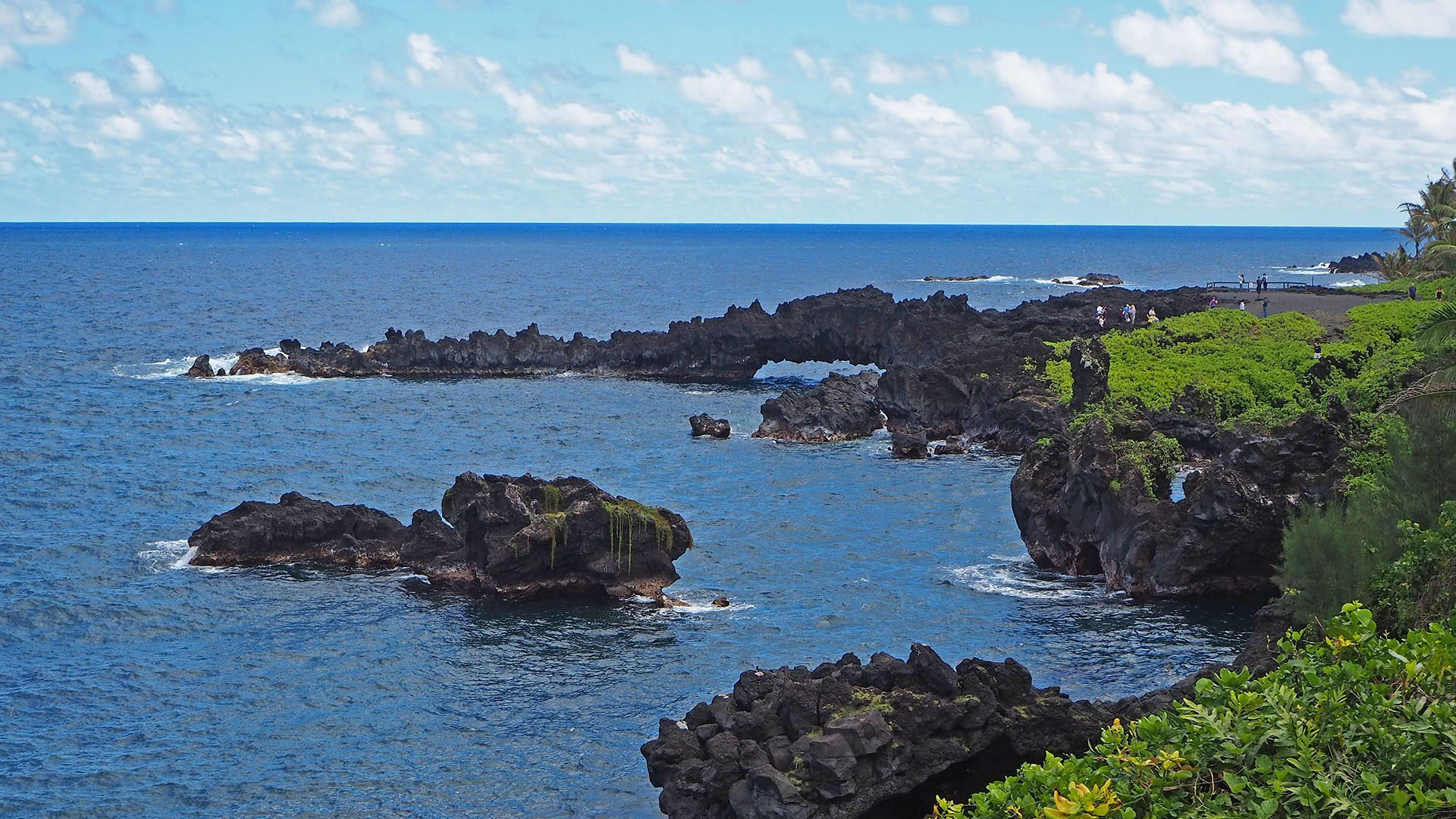
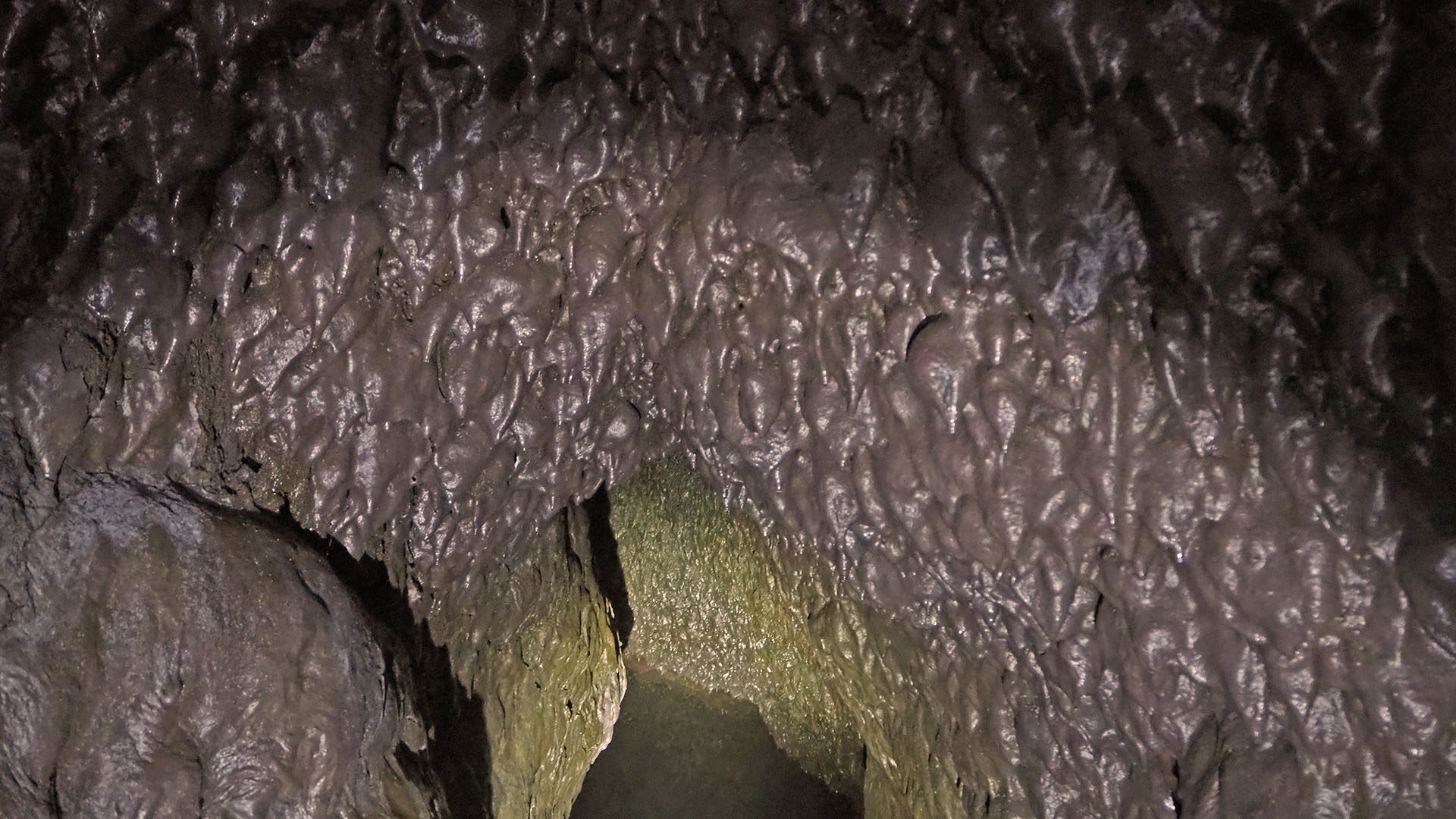
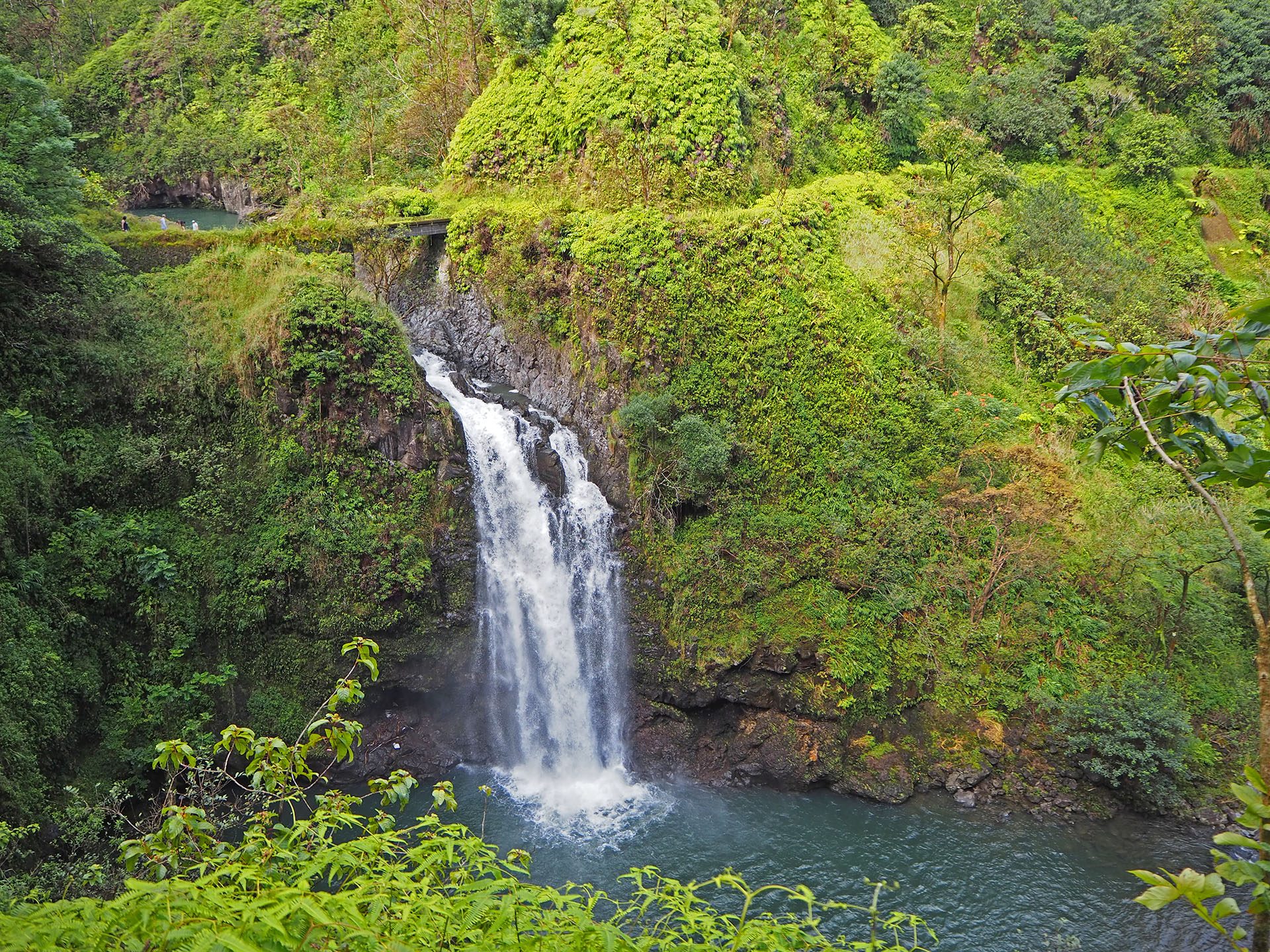
Nevertheless, it was still a joyful ride to Hana and beyond. Waterfalls, rainforest, beaches, lava tubes and valley overlooks – it was worth the time, even though we didn’t even get out of the car in Hana as we gave up finding a convenient parking space.
Haleakala Sunrise

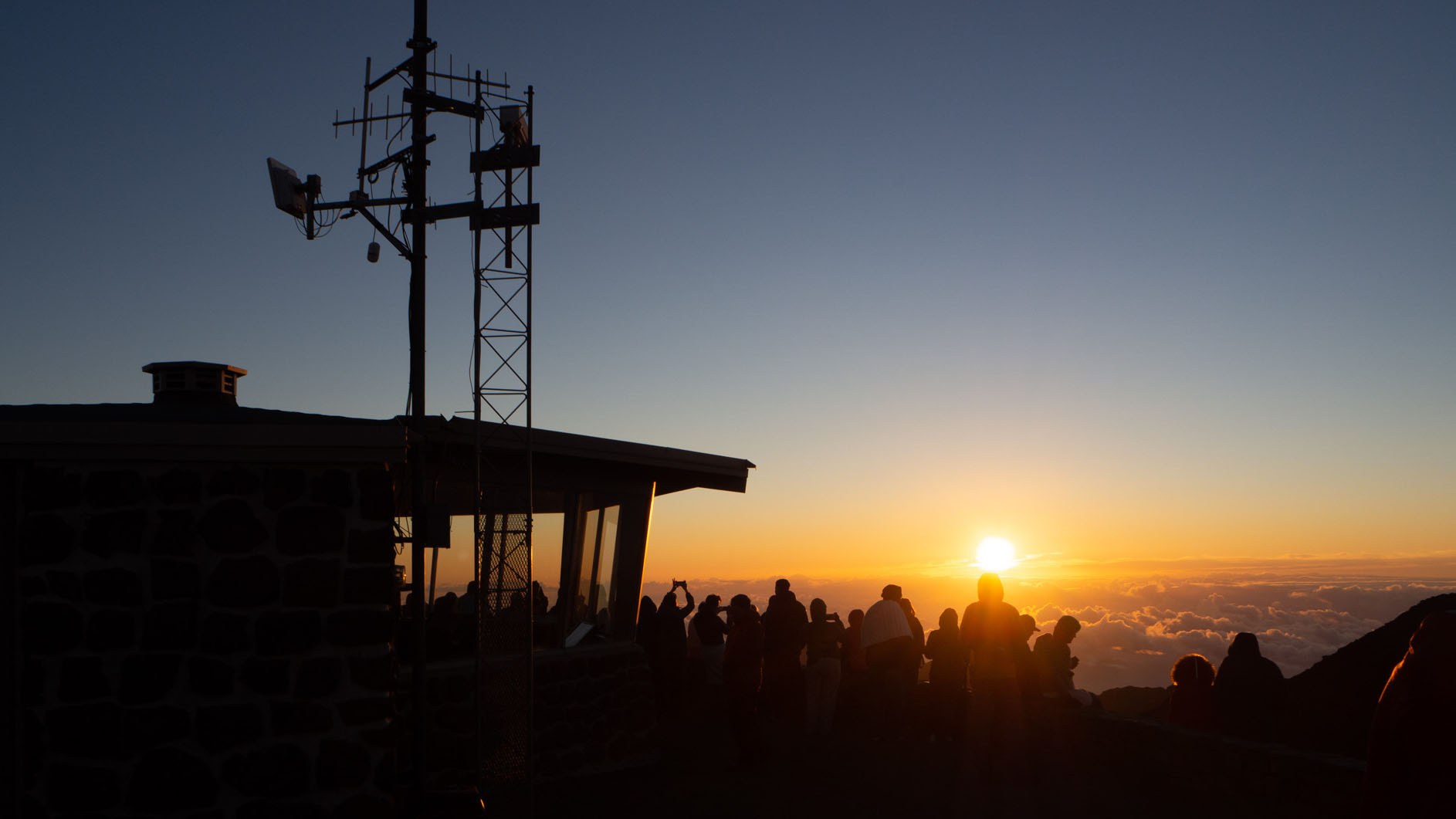
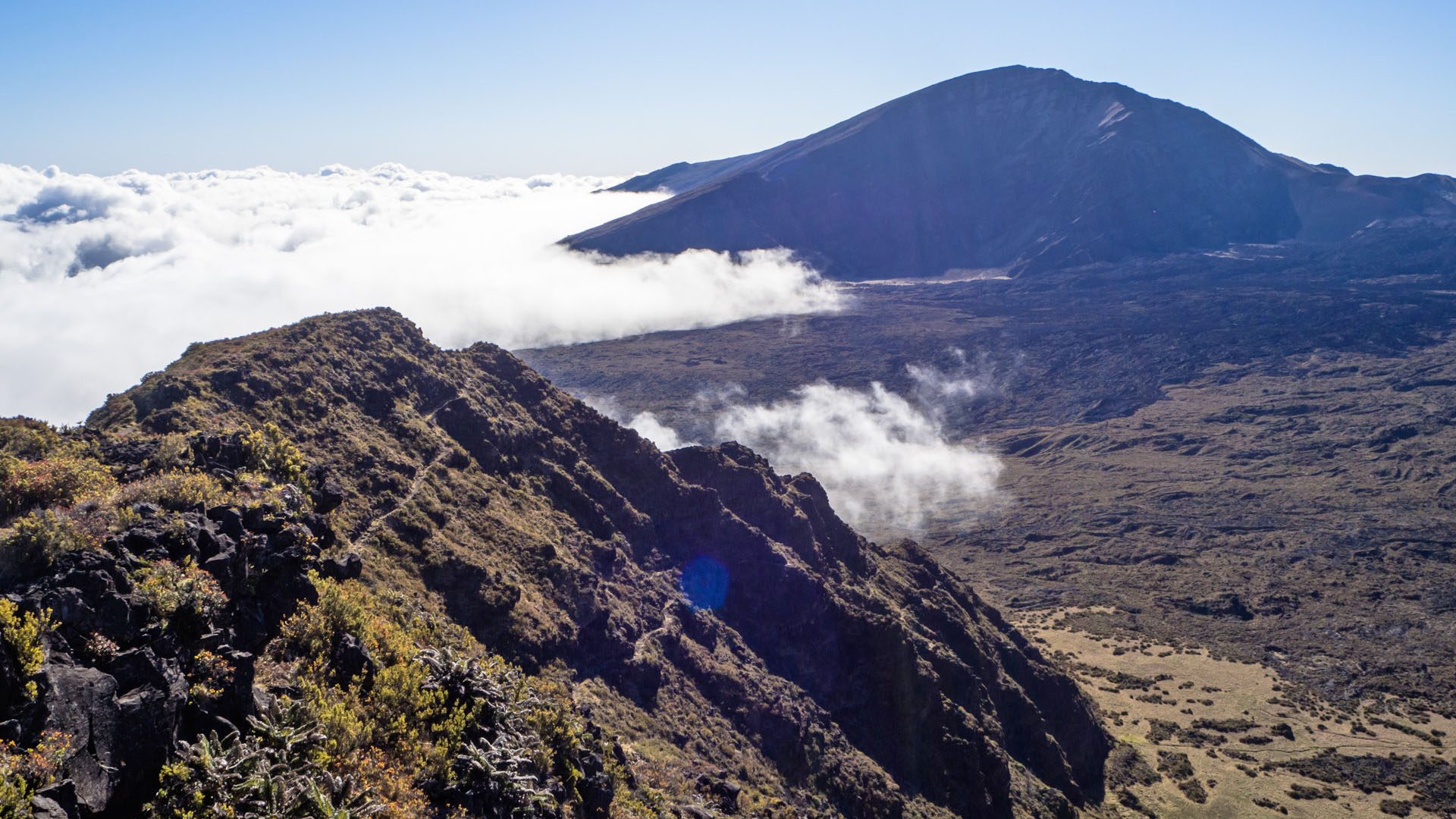
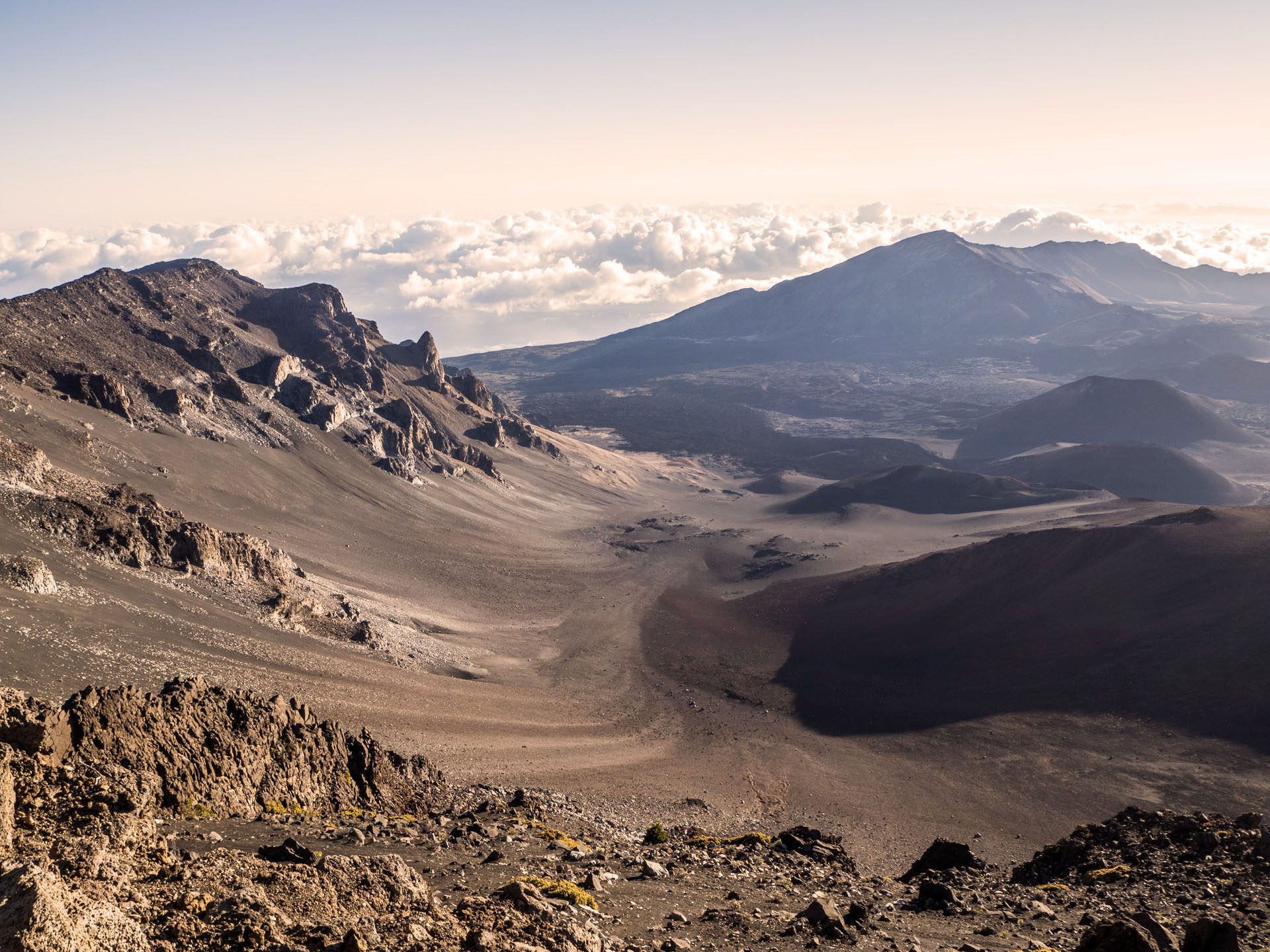
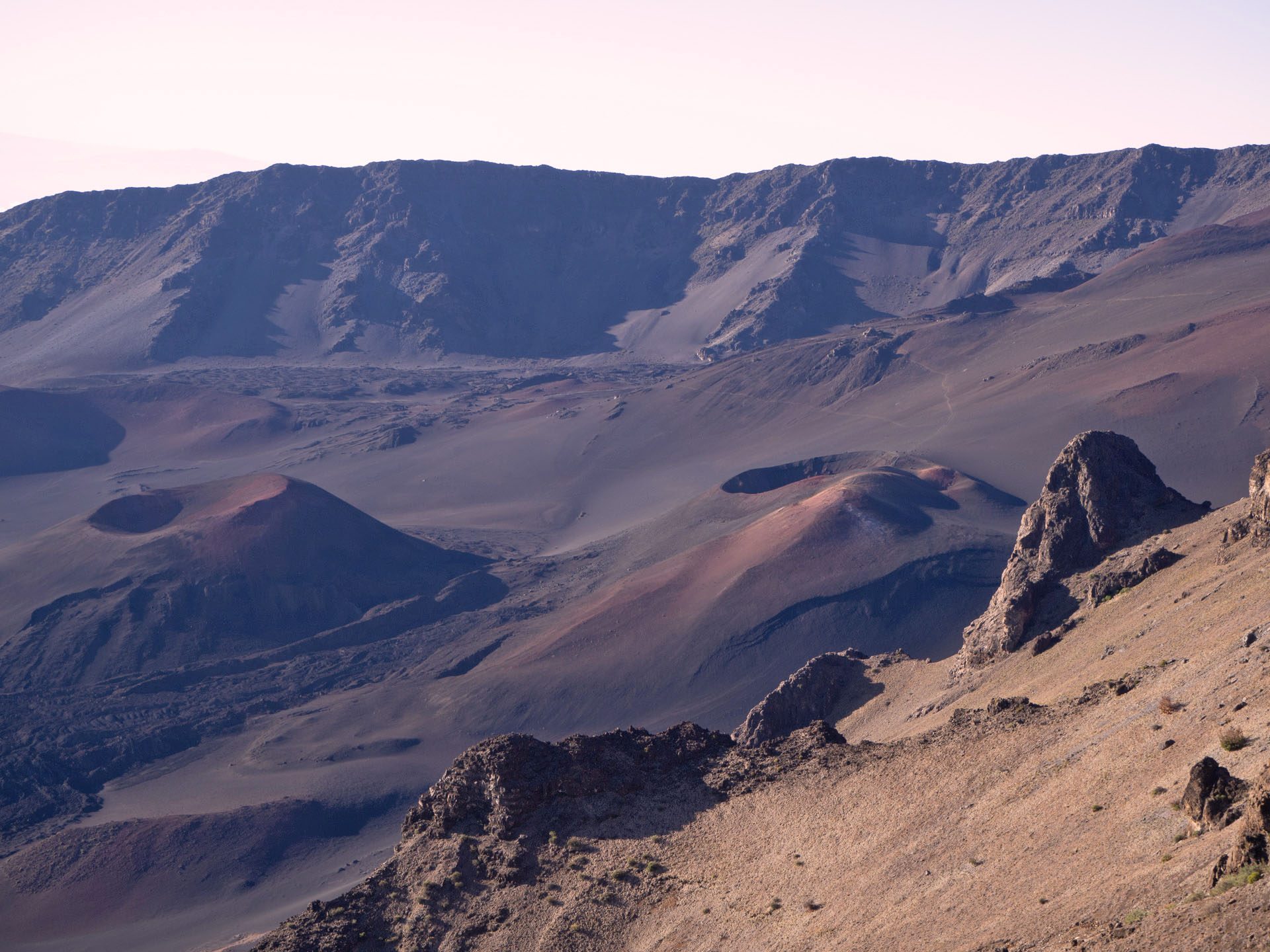
Sunrise on Haleakalā has become so famous that crowds were fighting for a few parking slots on the summit of the volcano. Nowadays access to the summit between 3 and 7 A.M. has been limited. Fortunately, we got one of the few last-minute registrations two days ago. It didn’t change the fact that you need to get up early for the sunrise: we set our alarms to 3 A.M. and reached the summit at around 5 o’clock.

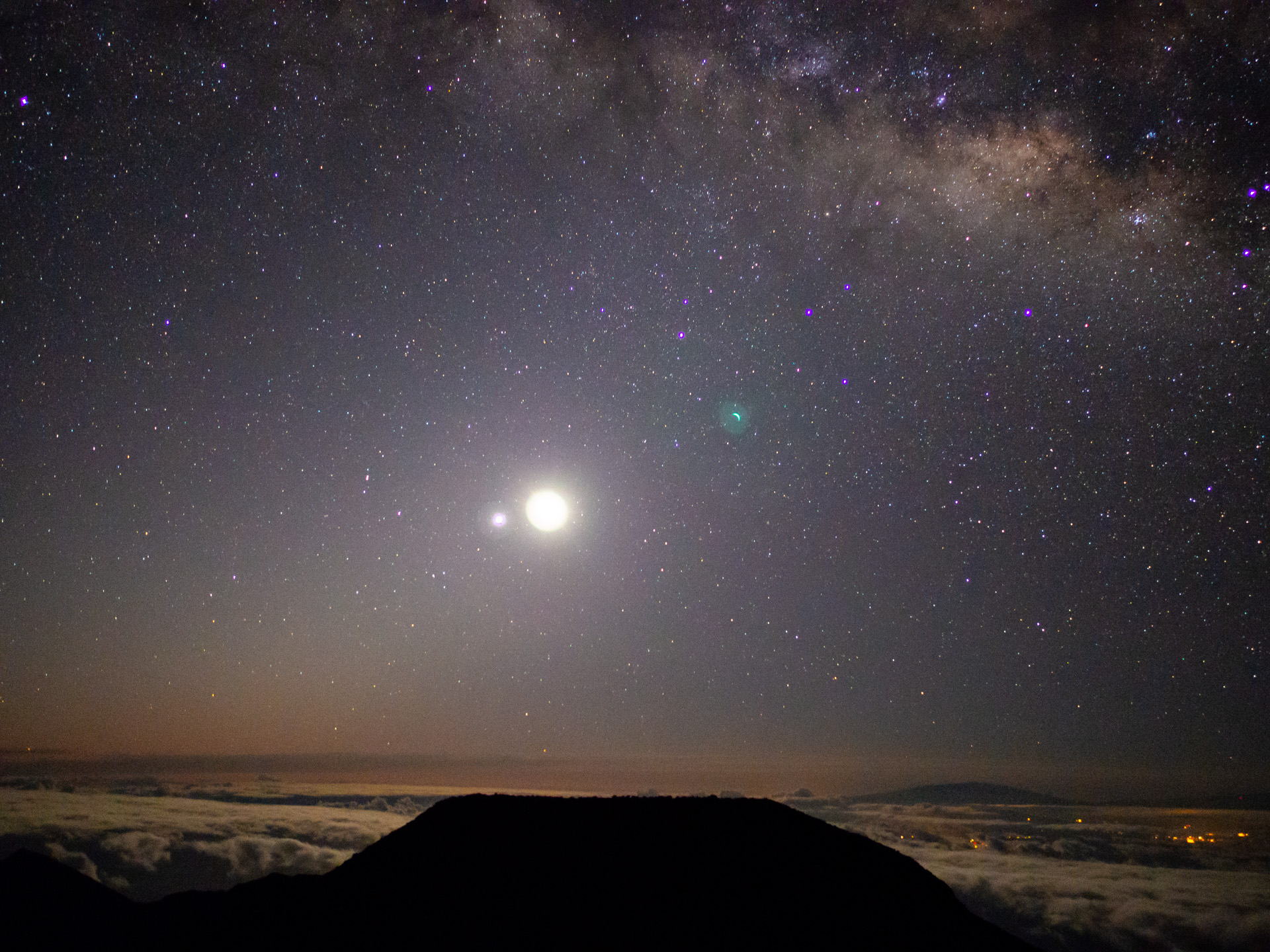
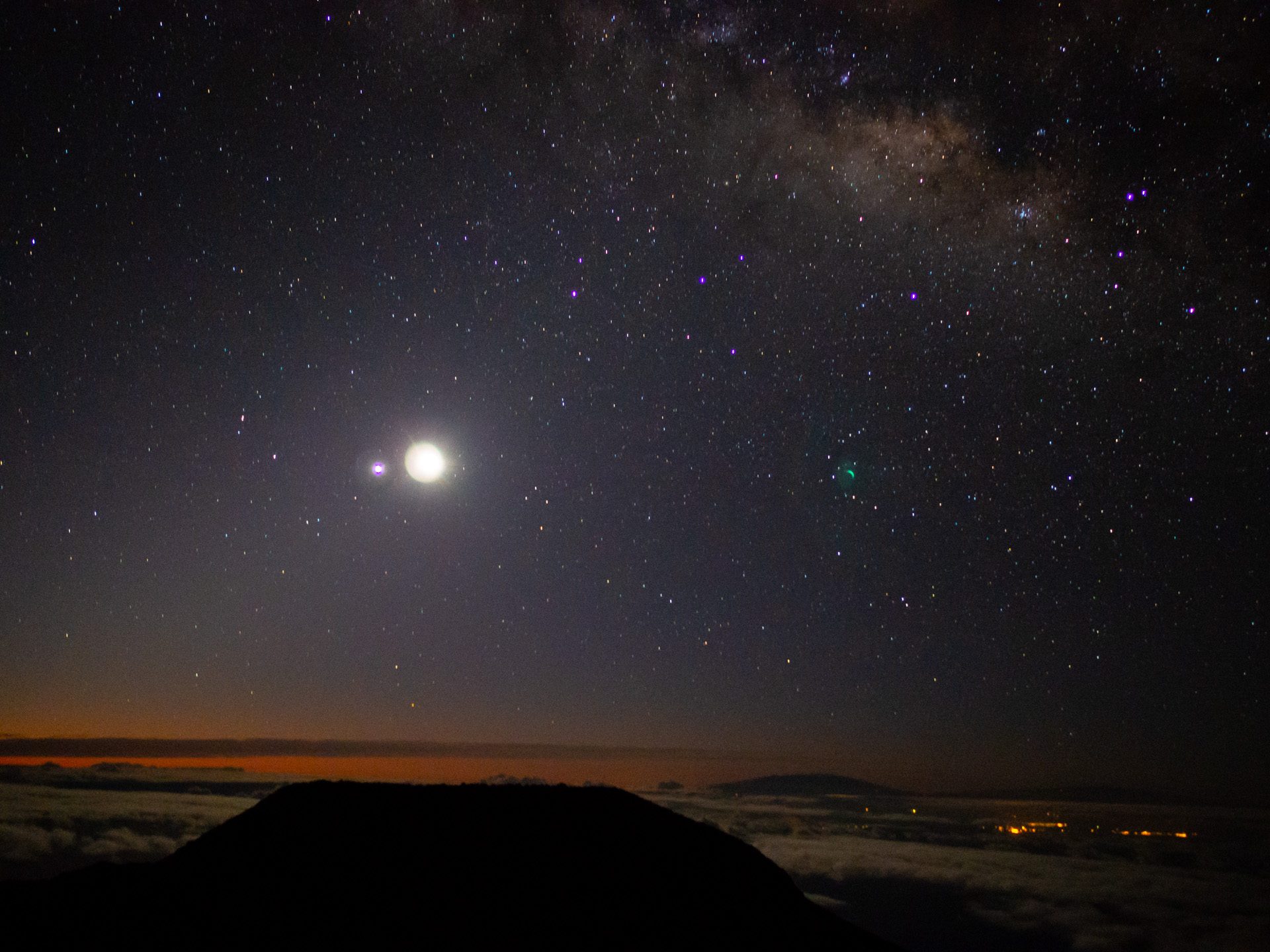
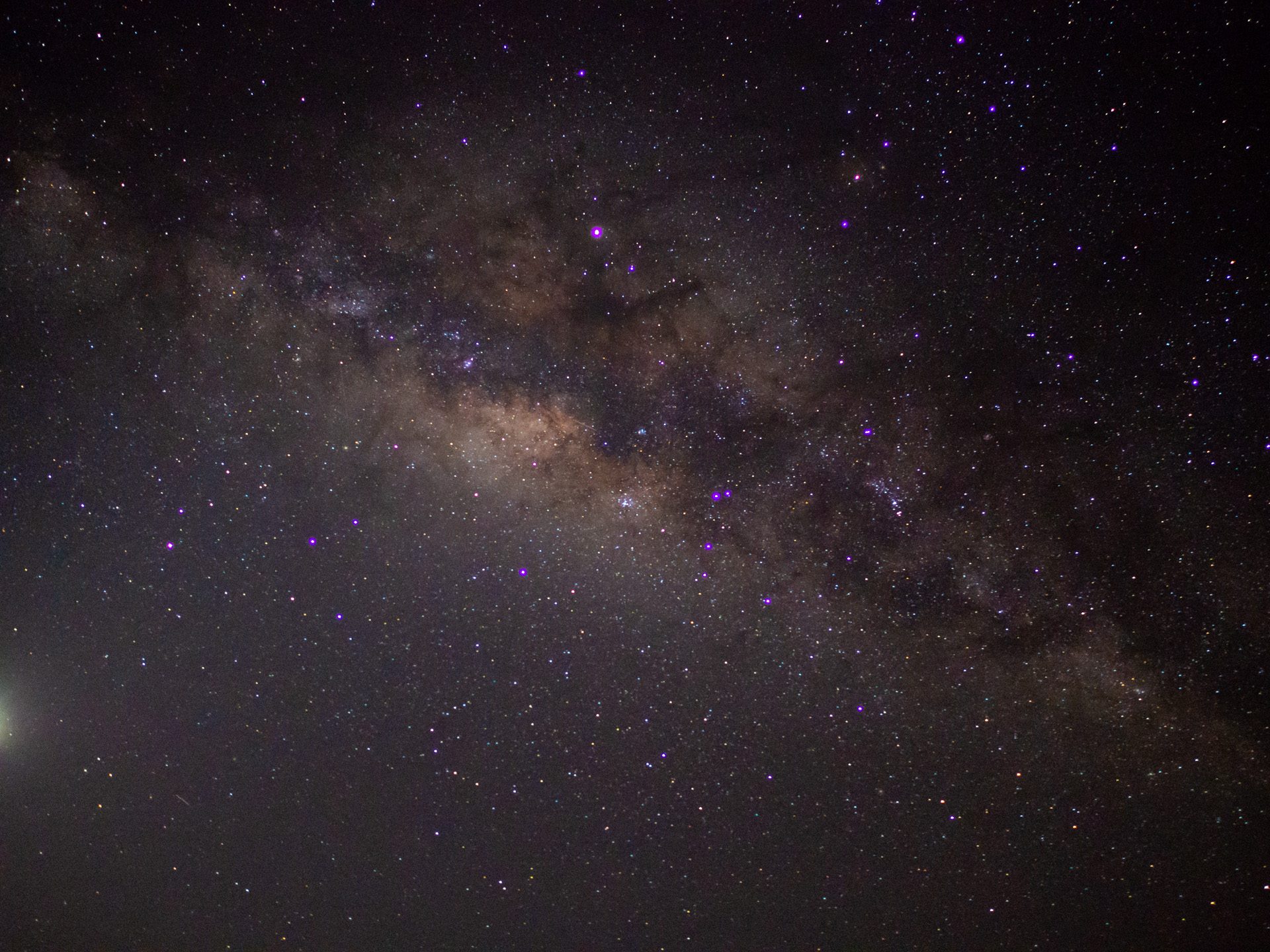
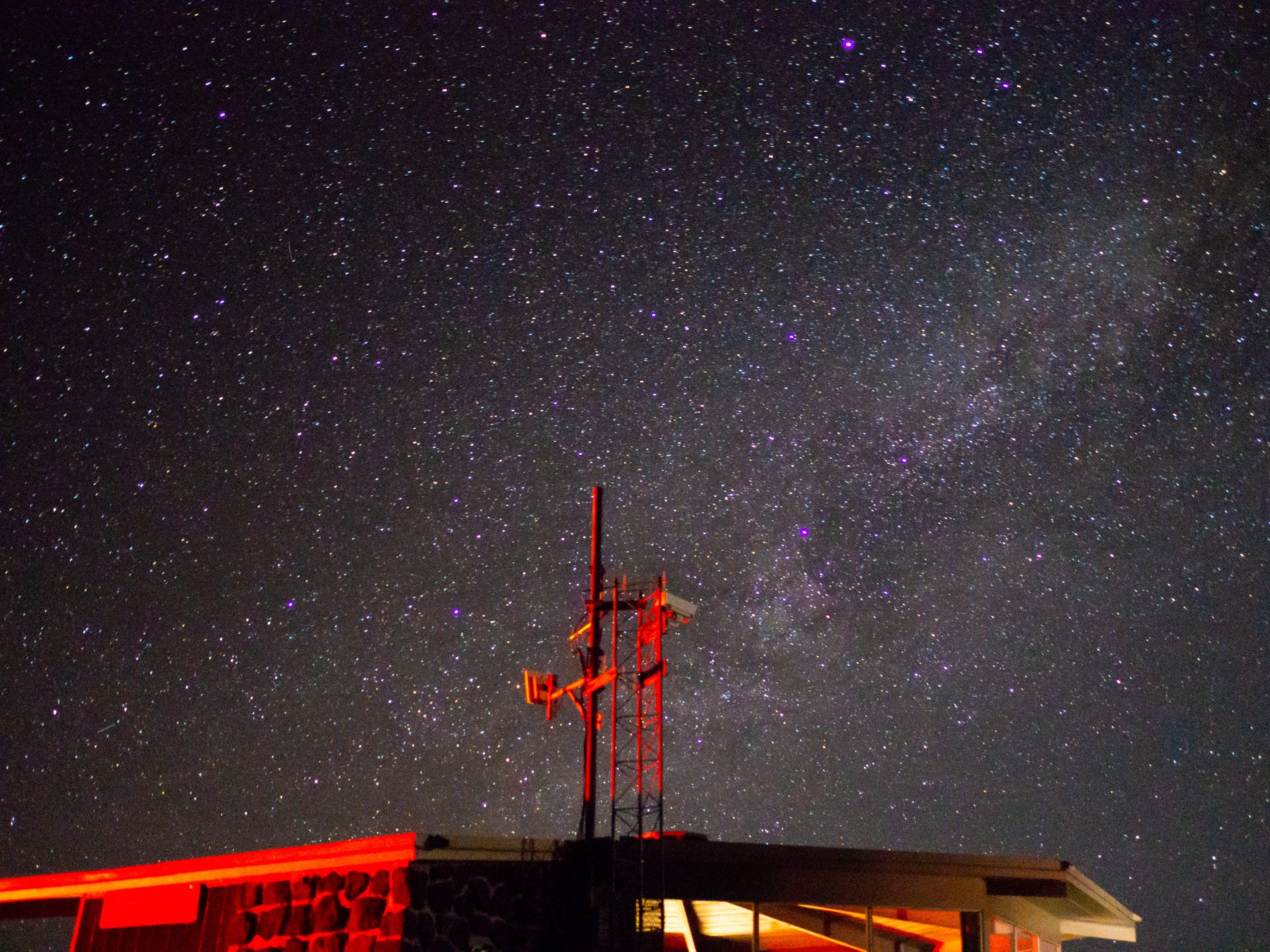
It was freezing cold at 3’055 m.a.s.l. and a bit early for sunrise, but right on time for a few astrophotography pictures.

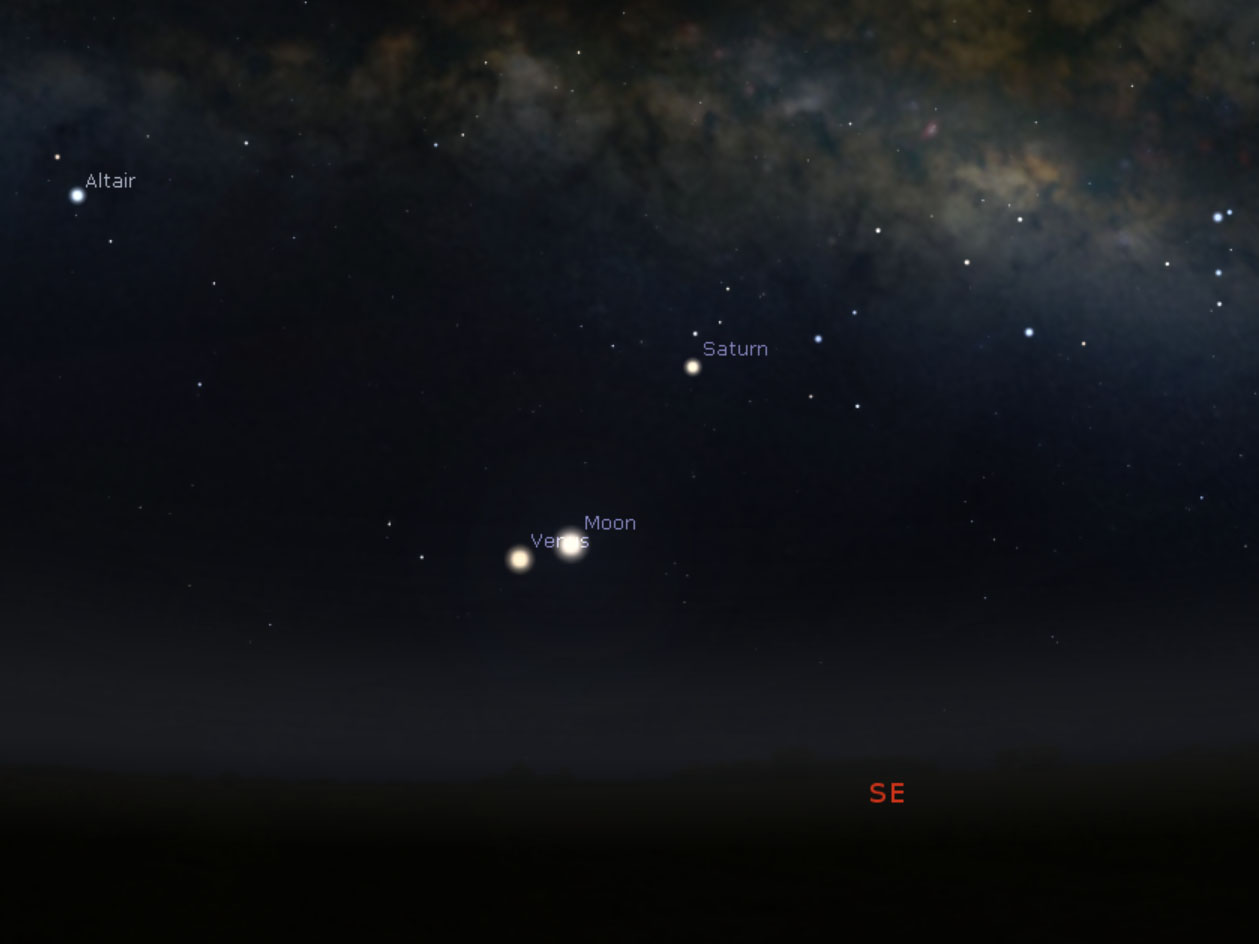
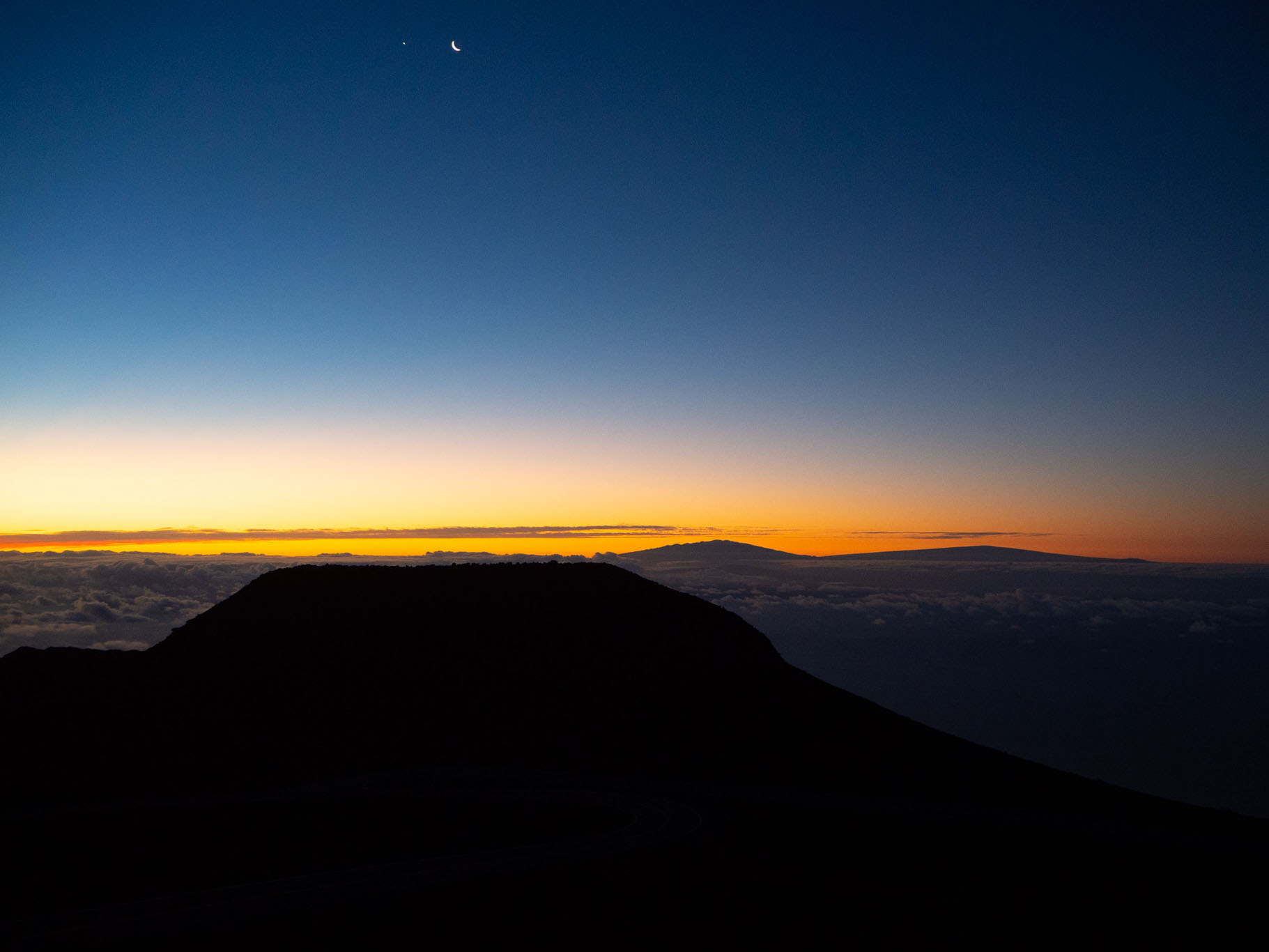
Moon (center), Venus (to the left), Saturn (green object to the right), clouds, crater, beginning dawn and the Milky Way… proud of this shot! 🙂

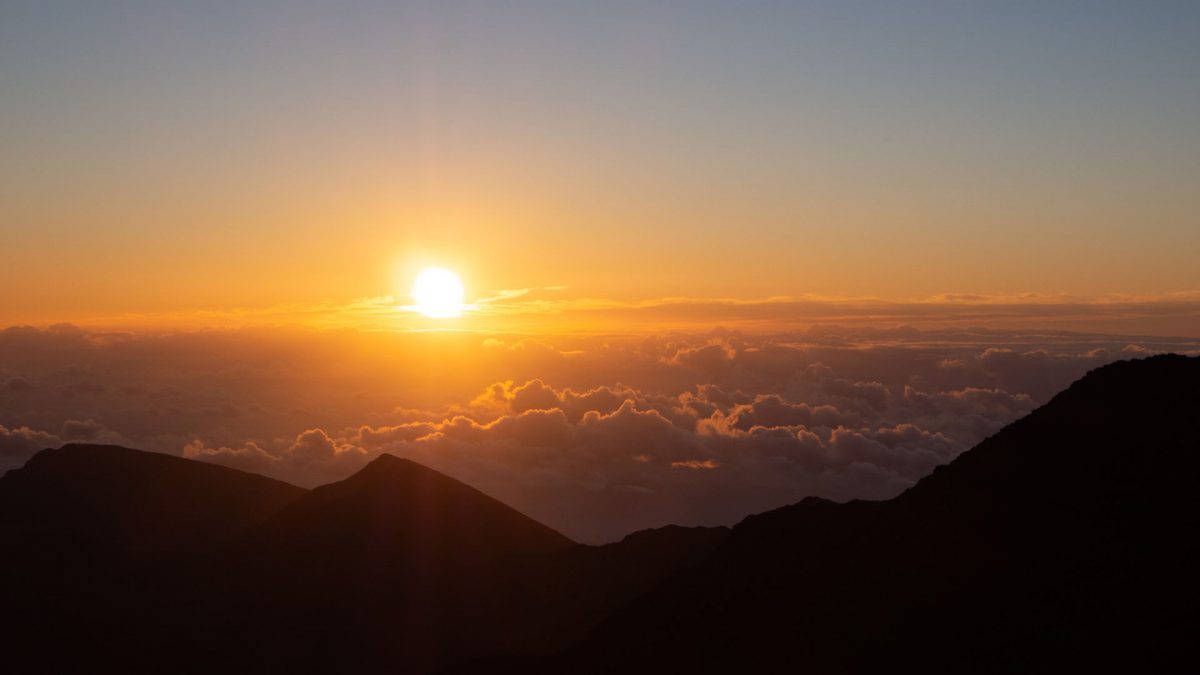
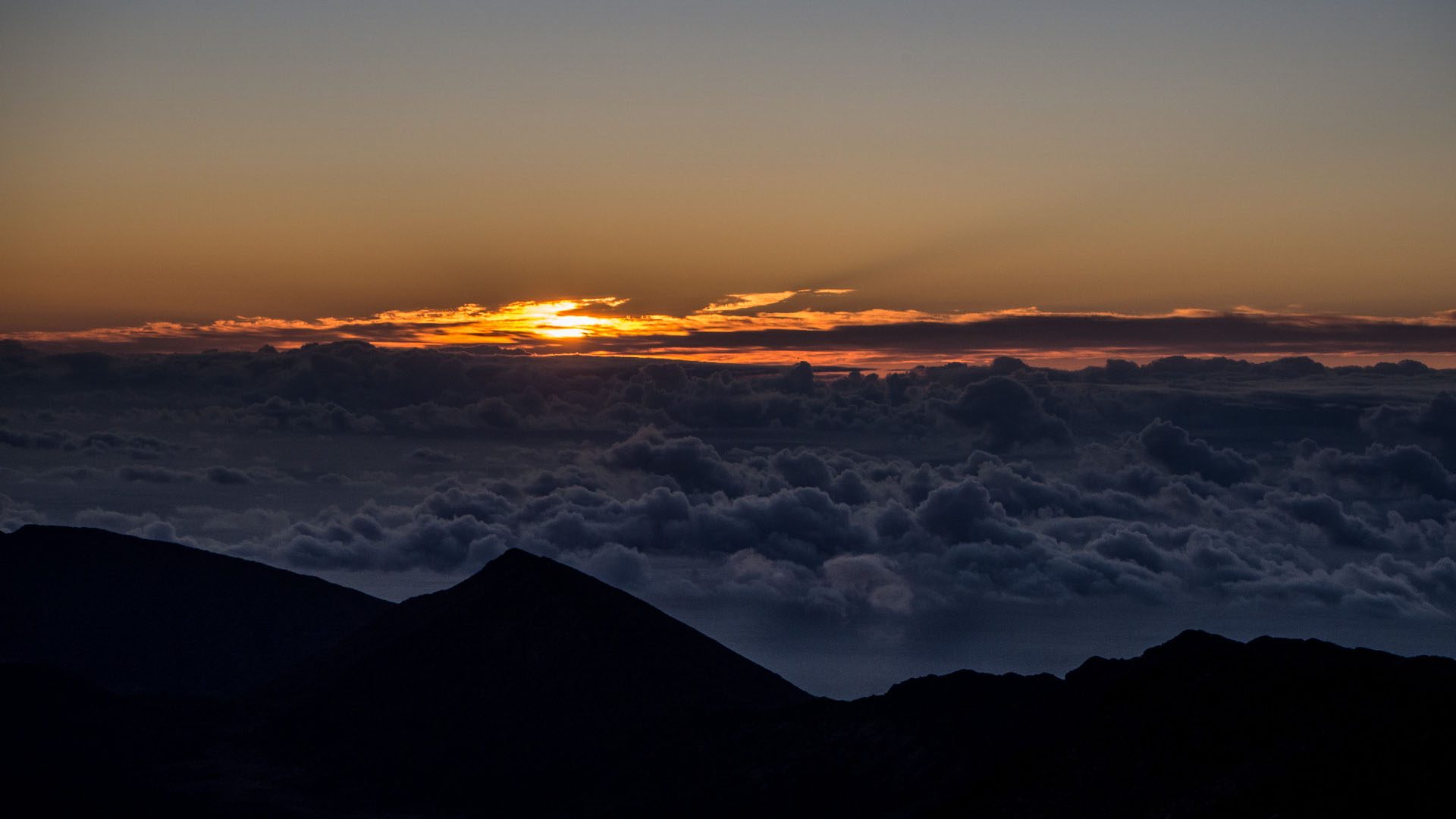
After a quick warm-up in the car (that could be misinterpreted… 😉 ) we rejoined the sunrise viewers at 6 A.M. with the beginning dawn. It really was a wonderful experience to see the sky changing colors. Again, clouds make the difference, without them it might have been much less spectacular.

With the sun and temperatures rising we checked other overlooks and did a part of the Halemau’u Trailhead to the crater.

(Not on) Mauna Kea

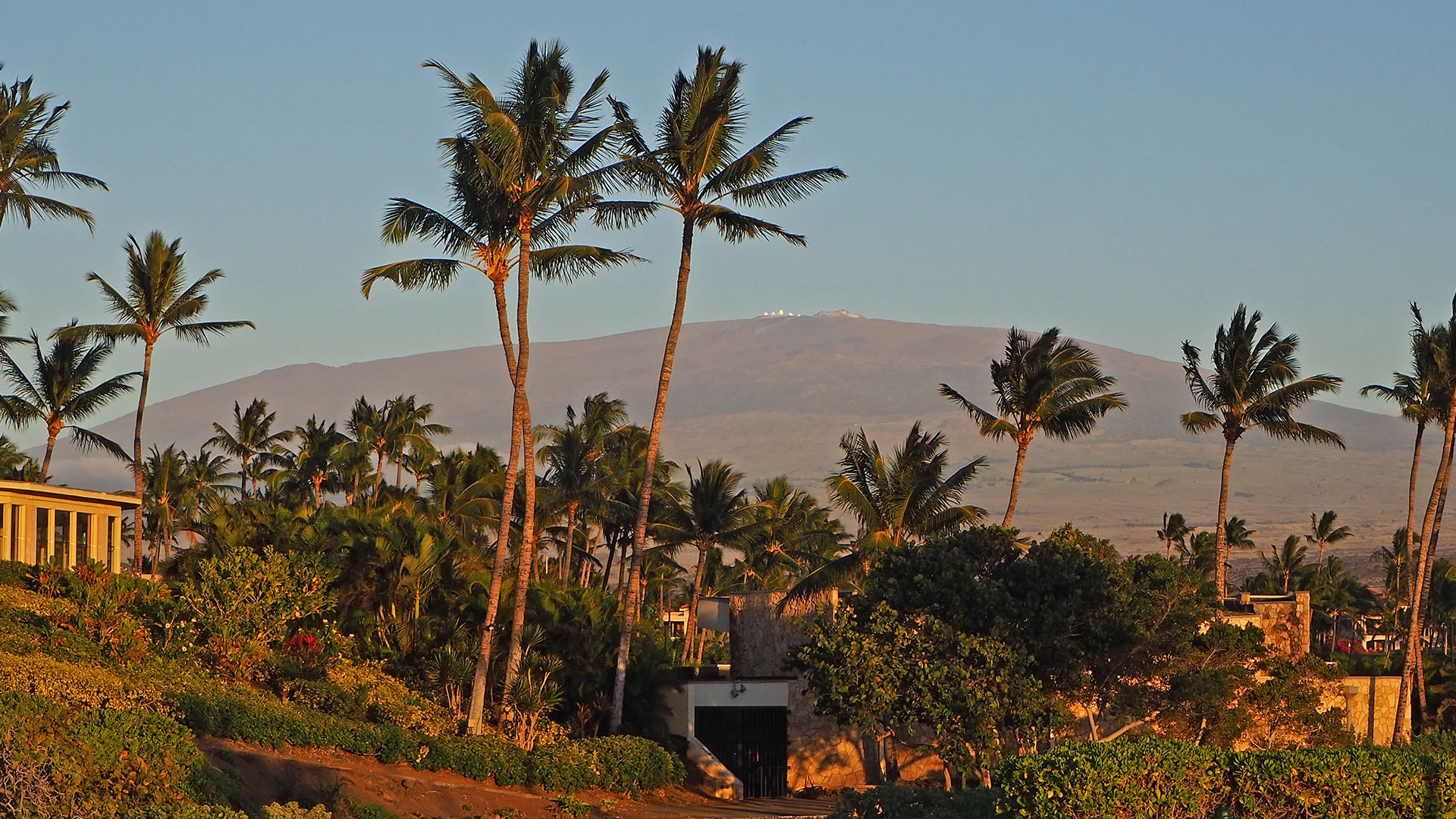
Mauna Kea is one of five volcanoes of Big Island, its peak is 4’207.3 m above sea level, making it the highest point in the state of Hawaii. Most of the mountain is under water, and when measured from its oceanic base, Mauna Kea is the tallest mountain in the world measuring over 10’000 m.

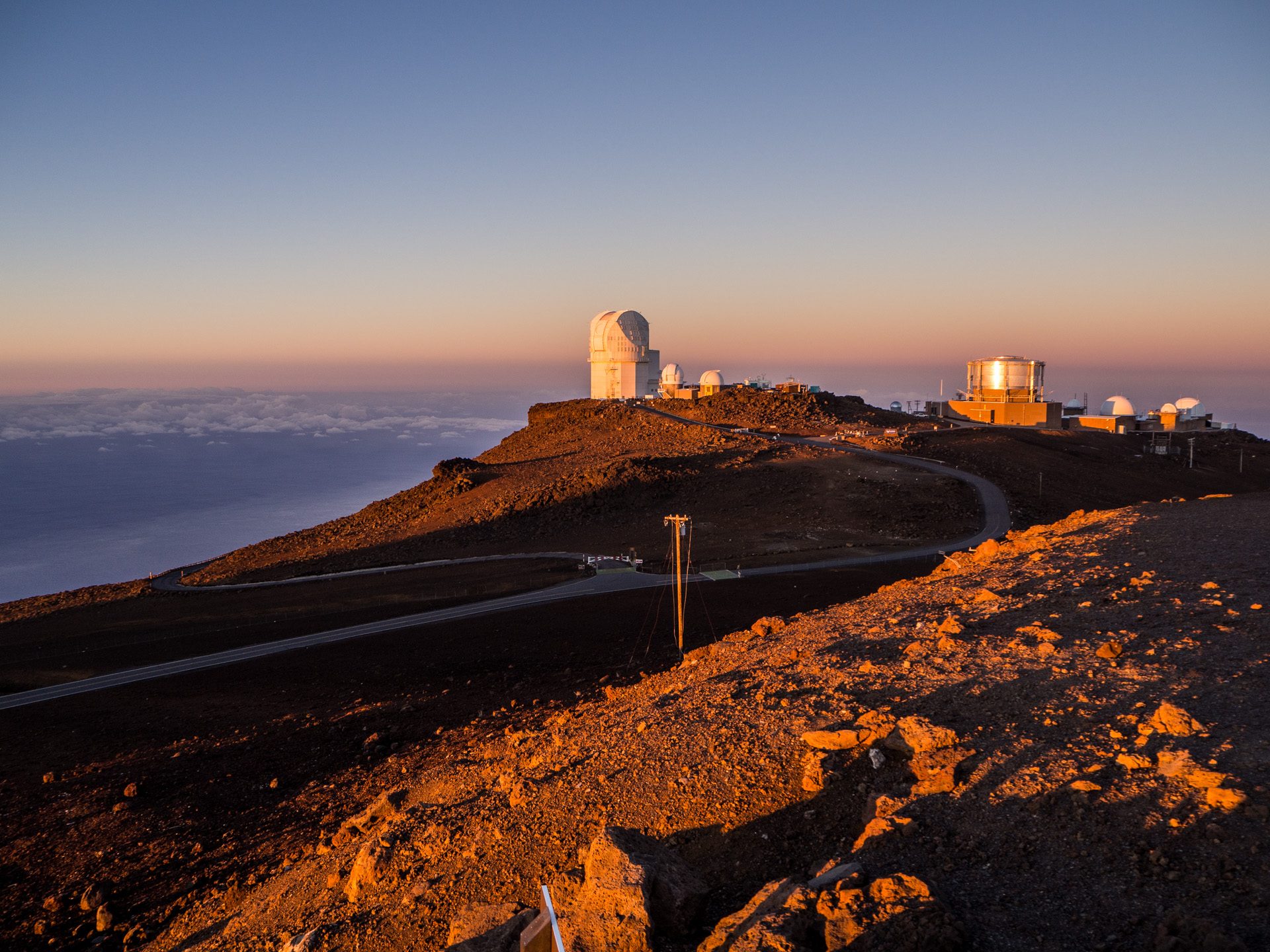
Mauna Kea, incl. telescopes on its peak (a view from sea level to 4’2oo m)

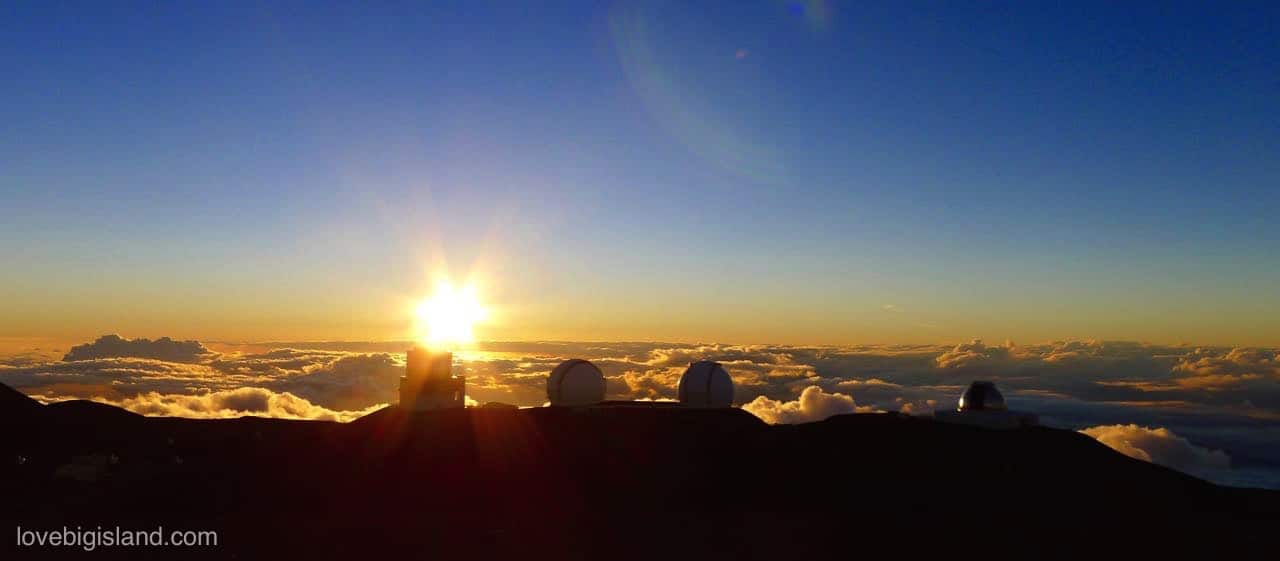
There is an access road to the peak, resp. to the 13 telescopes, and it is possible to drive from sea level to 4’200 m in less than two hours. The peak is also famous for sunset self-drive tours, which we obviously also had in mind.

How it could have been on Mauna Kea…

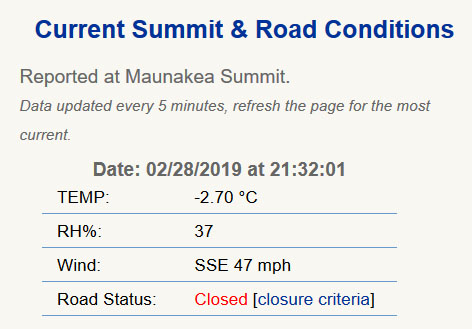
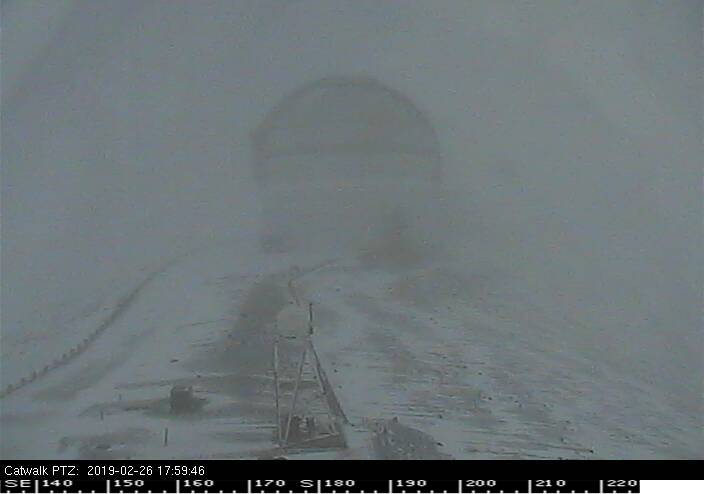
We couldn’t make it however. The access road was closed during our stay. Either it was snowing or the winds were too strong (over 50 m.p.h.). At least we could watch the peak from our hotel on a clear day, which is actually not so common.

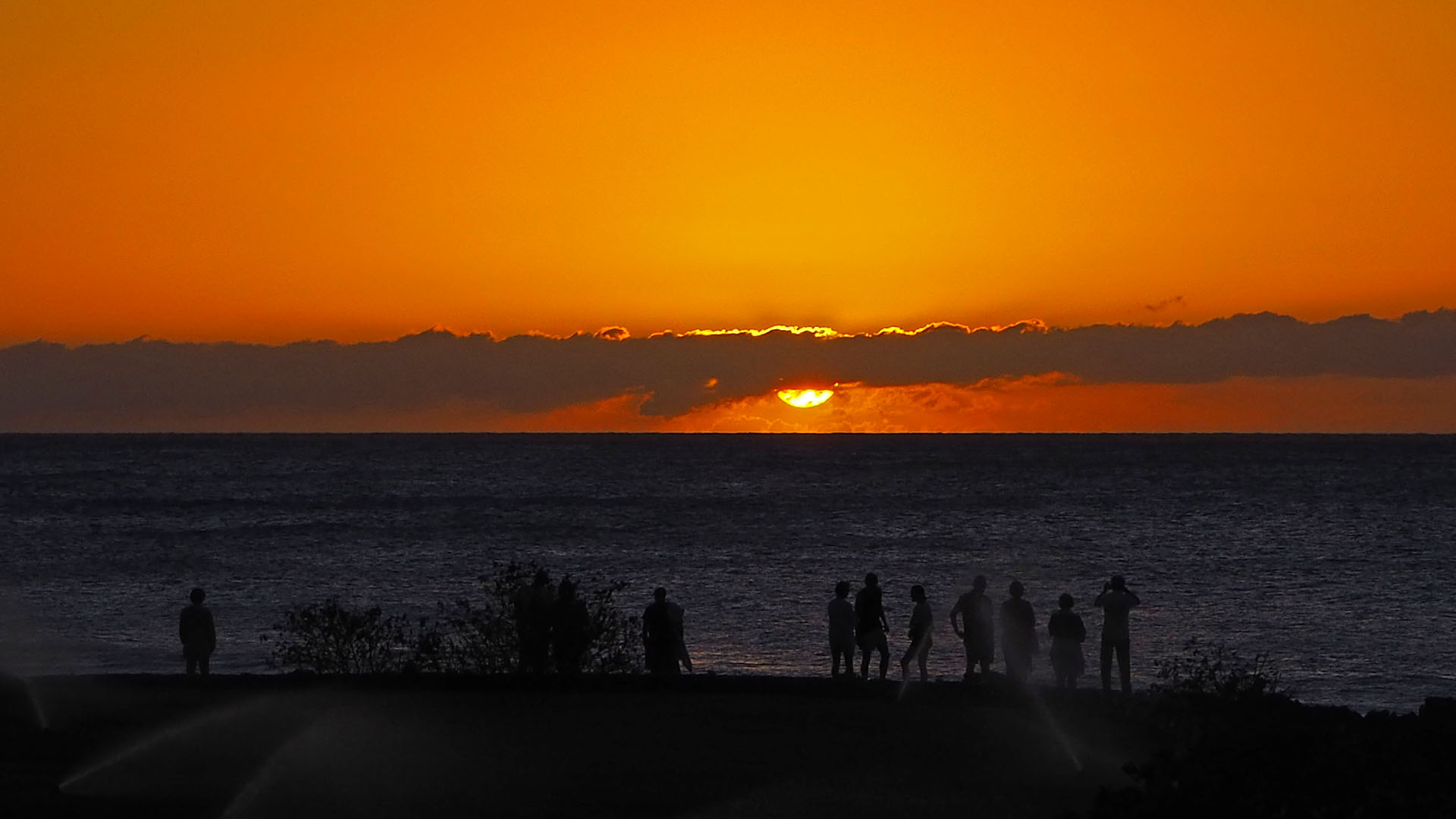
And… the sunset from our hotel wasn’t that bad, either… and a bit warmer than -3°C.

A nice sunset nevertheless

Volcanoes National Park

At time of booking the Volcanoes National Park would have been one of the very big highlights of our trip, as places with volcanic craters, a lava lake and active lava flows, while still being easily accessible, are hard to find elsewhere in the world (therefore this place is also called “drive-in volcano”).

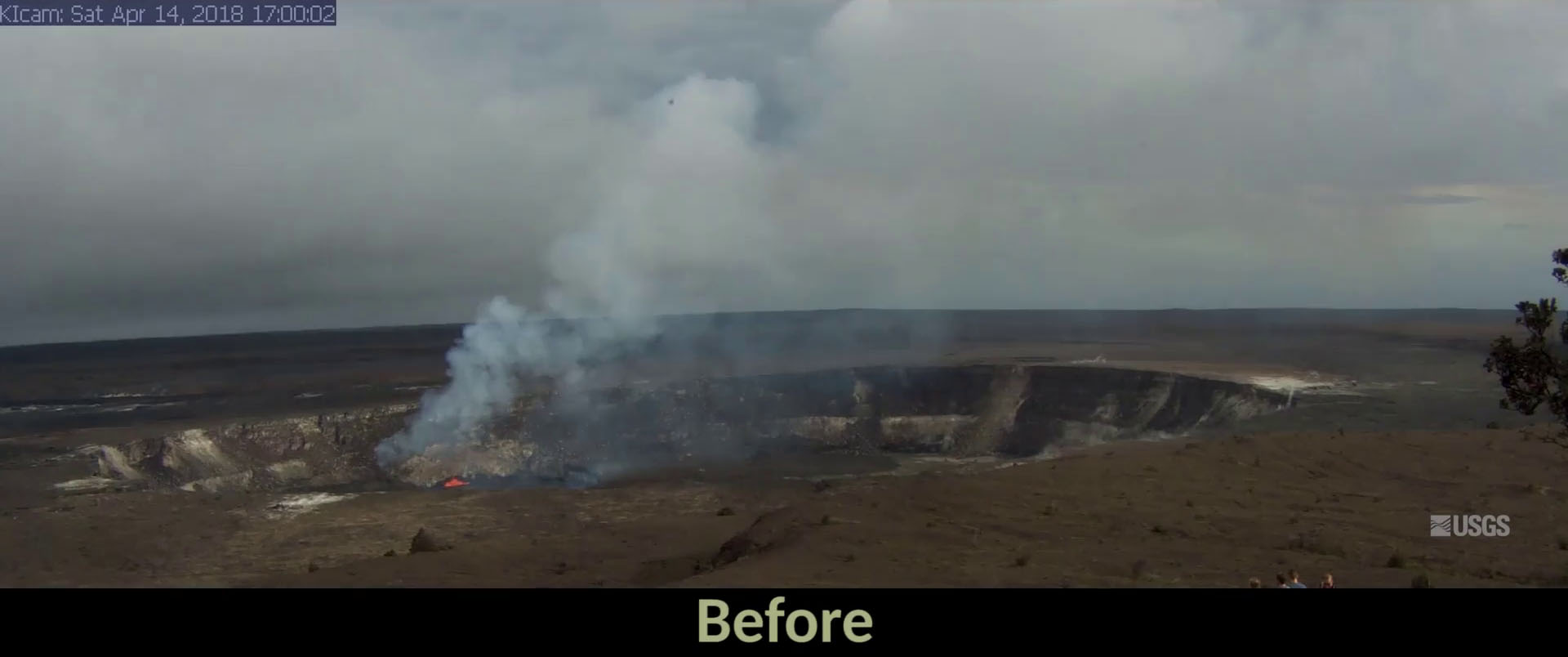
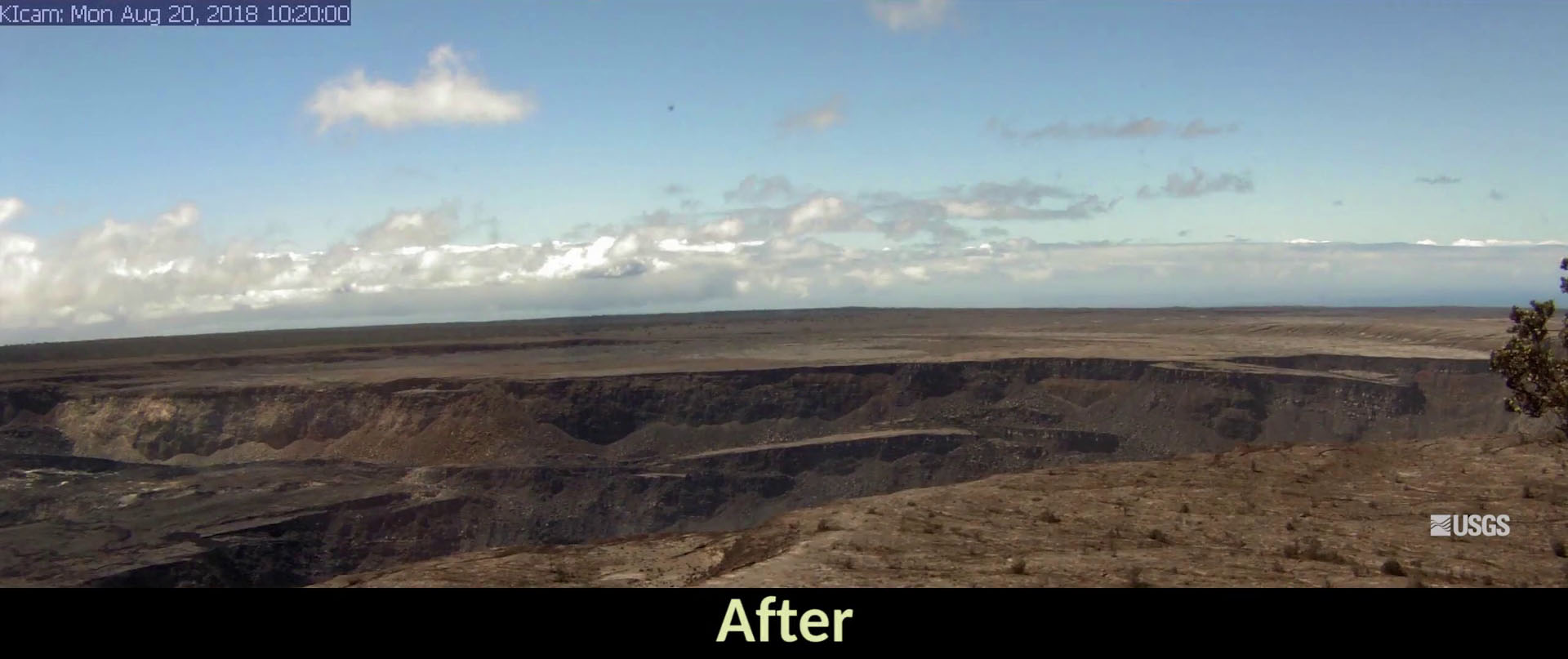
Now, the park changed quite a bit between May and July 2018:

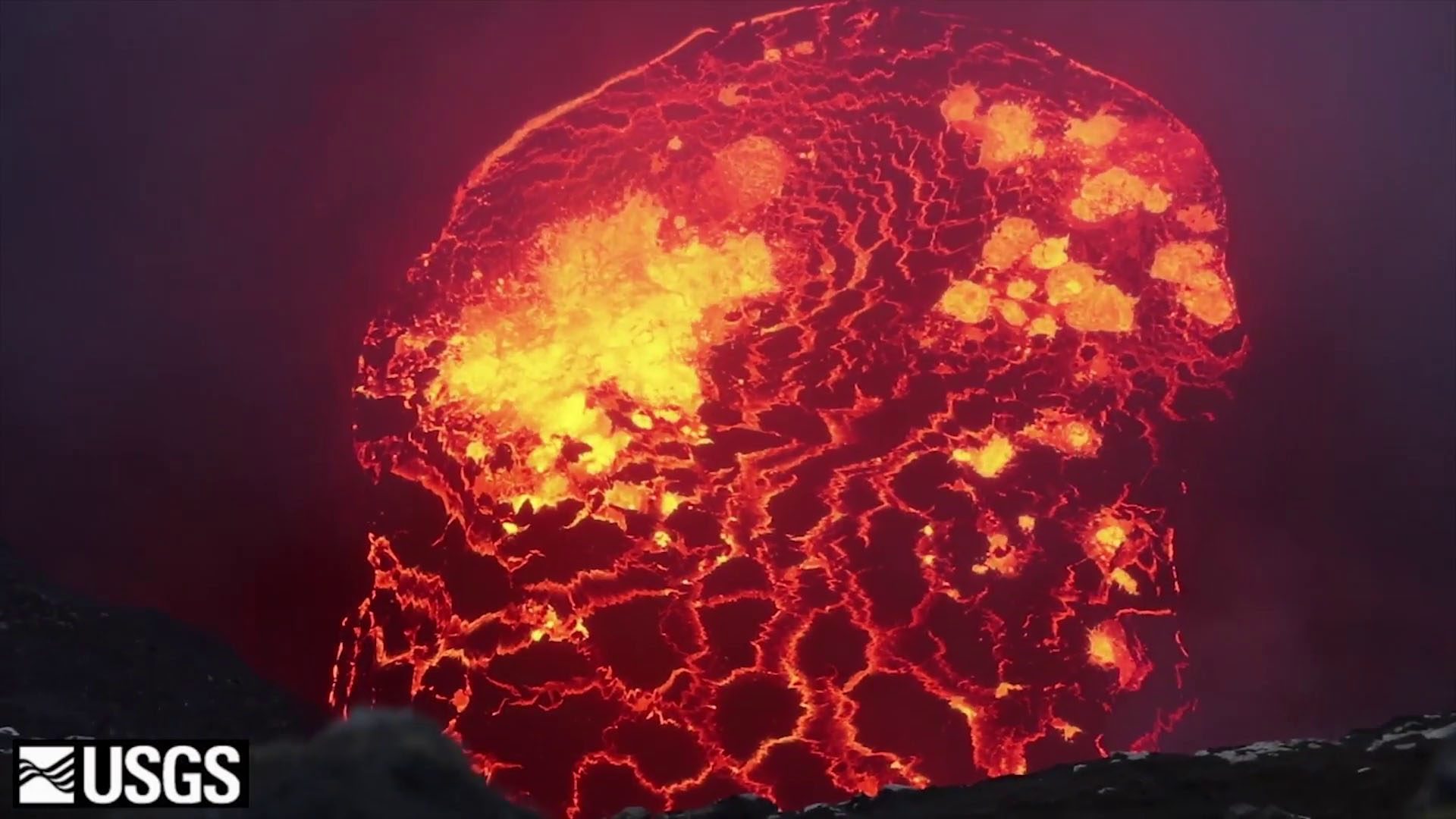
“Beginning in May, 2018, the lava lake that existed inside Halema‘uma‘u crater disappeared and lava flows from Puʻu ʻŌʻō crater have ceased. There is no molten lava or lava glow to see anywhere in or out of the park.”

A highly recommended movie about the events here:

https://www.nps.gov/havo/planyourvisit/lava2.htm

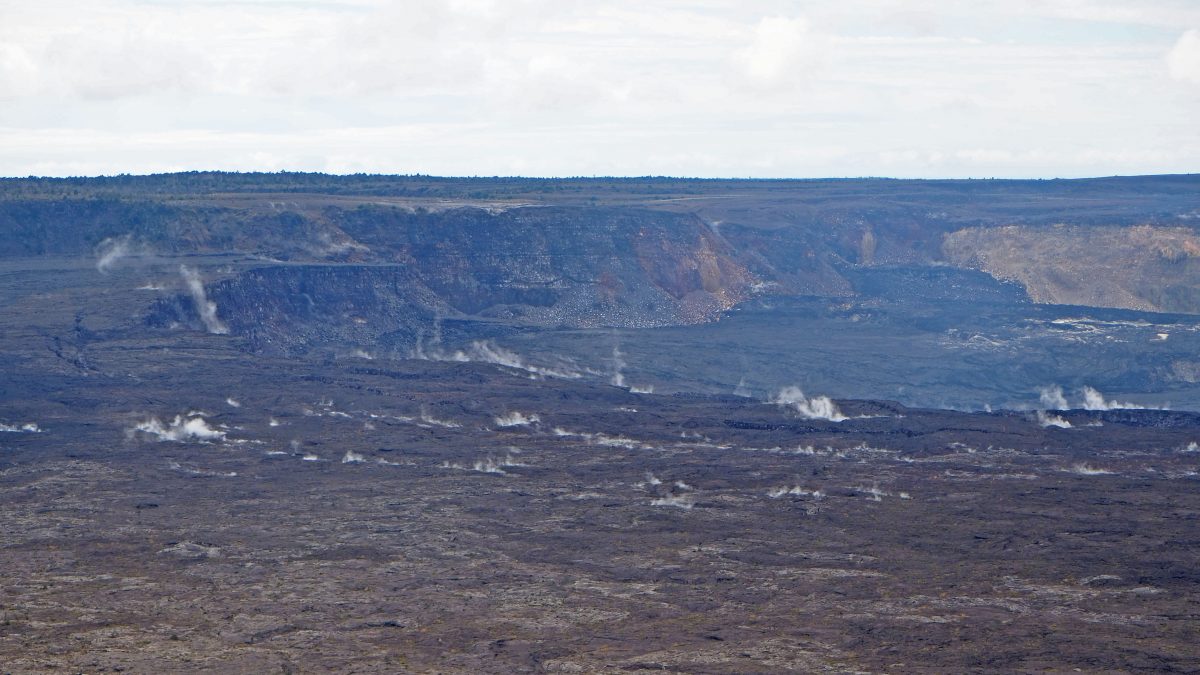
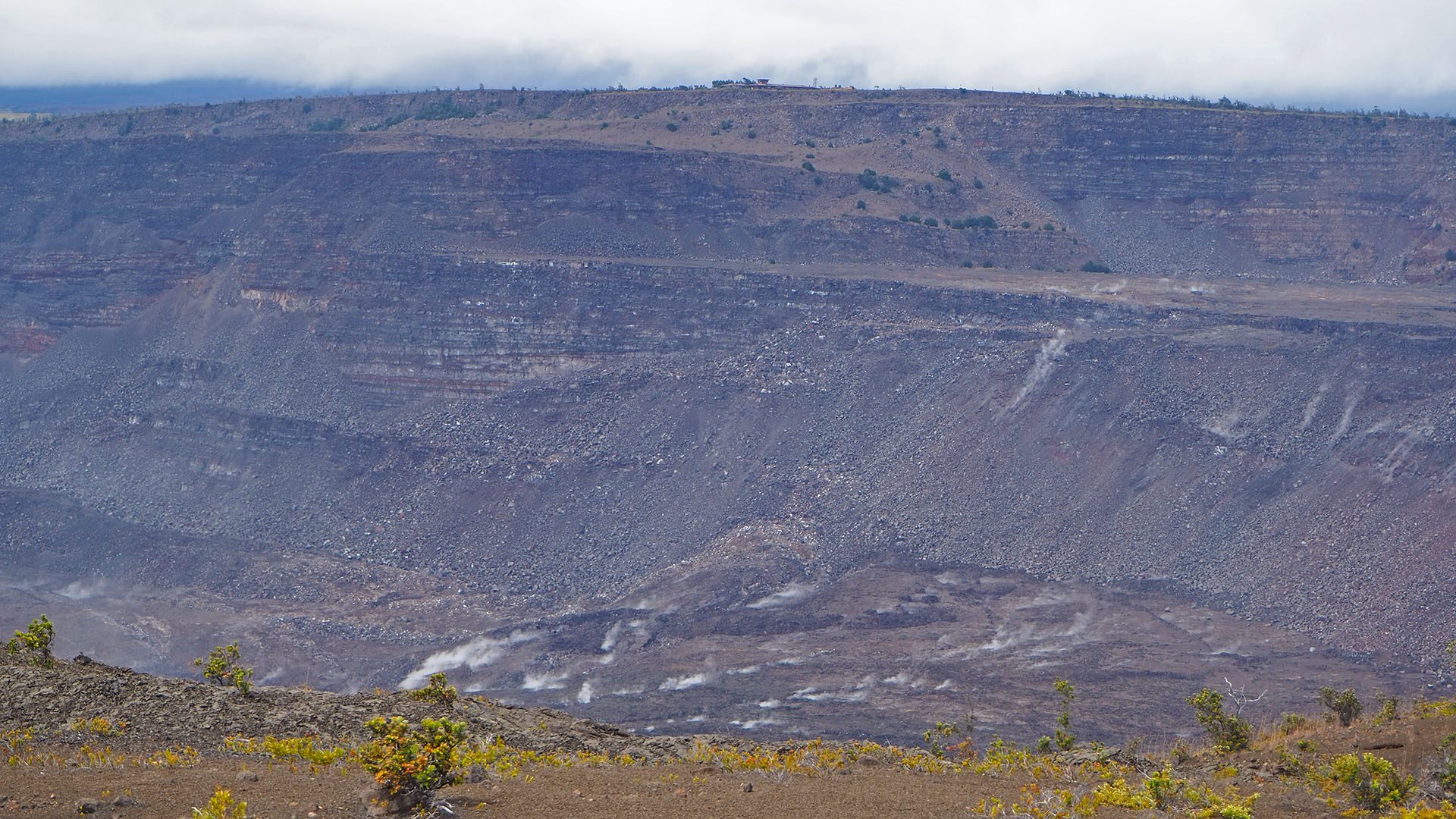
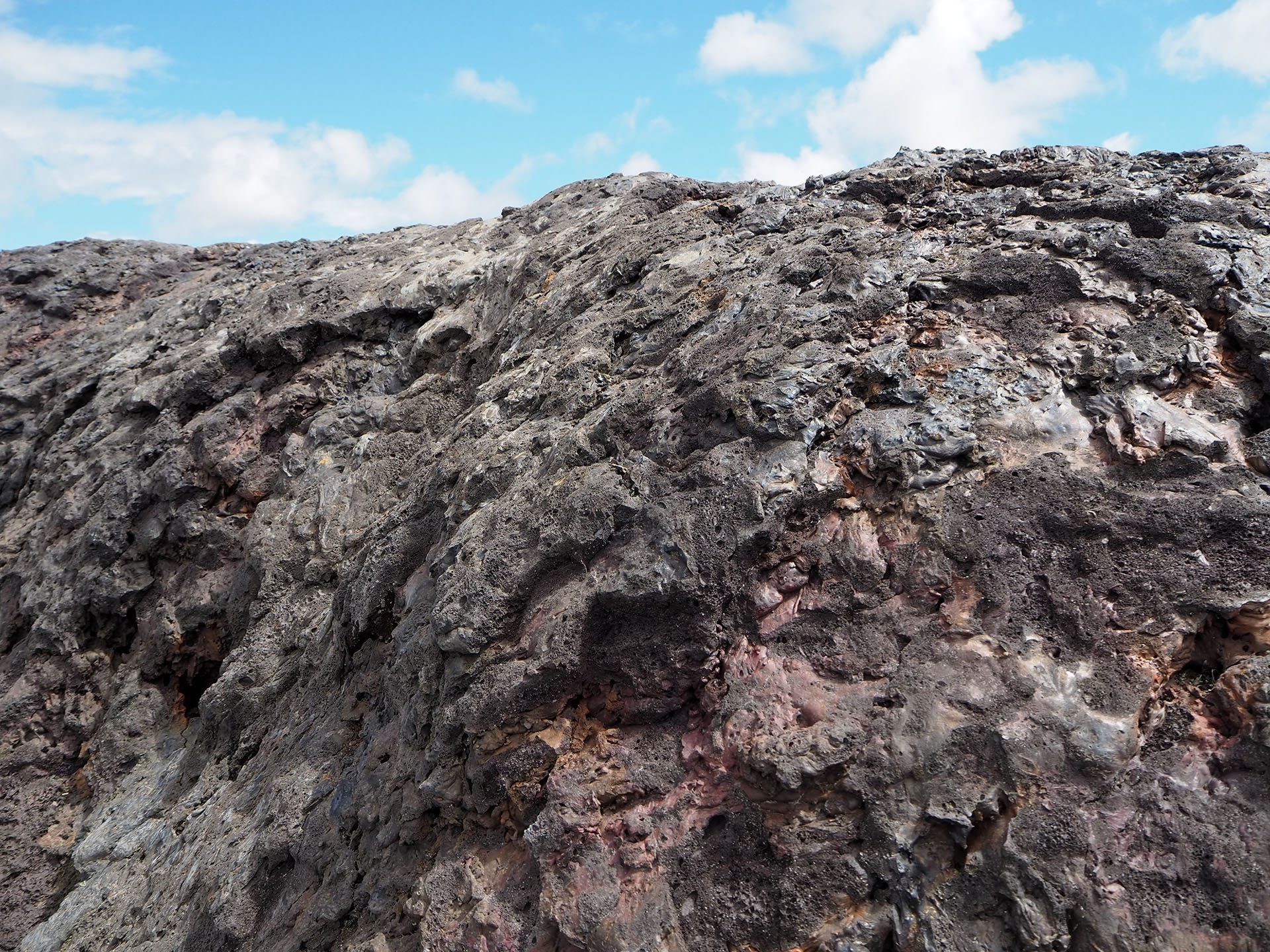
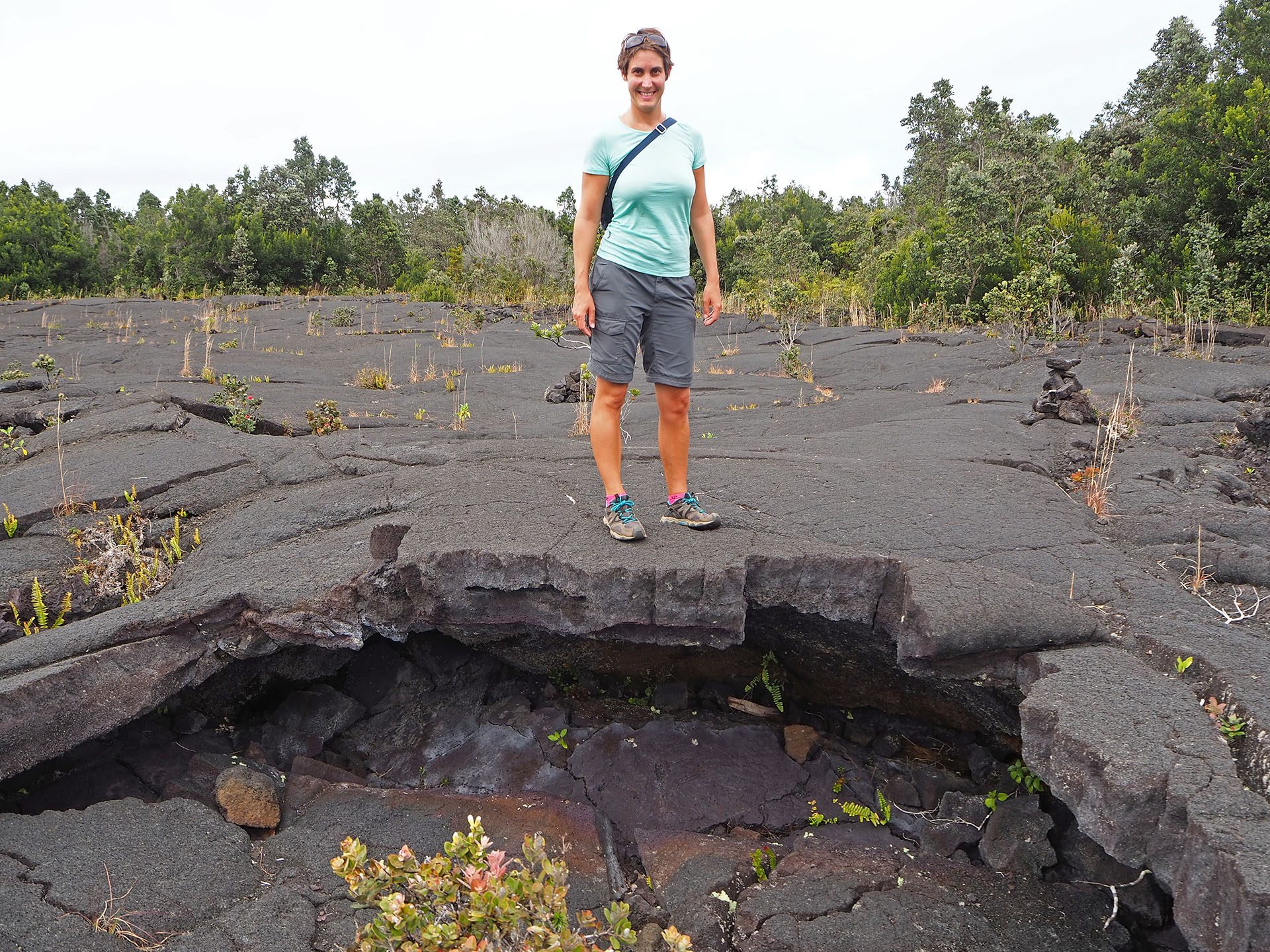
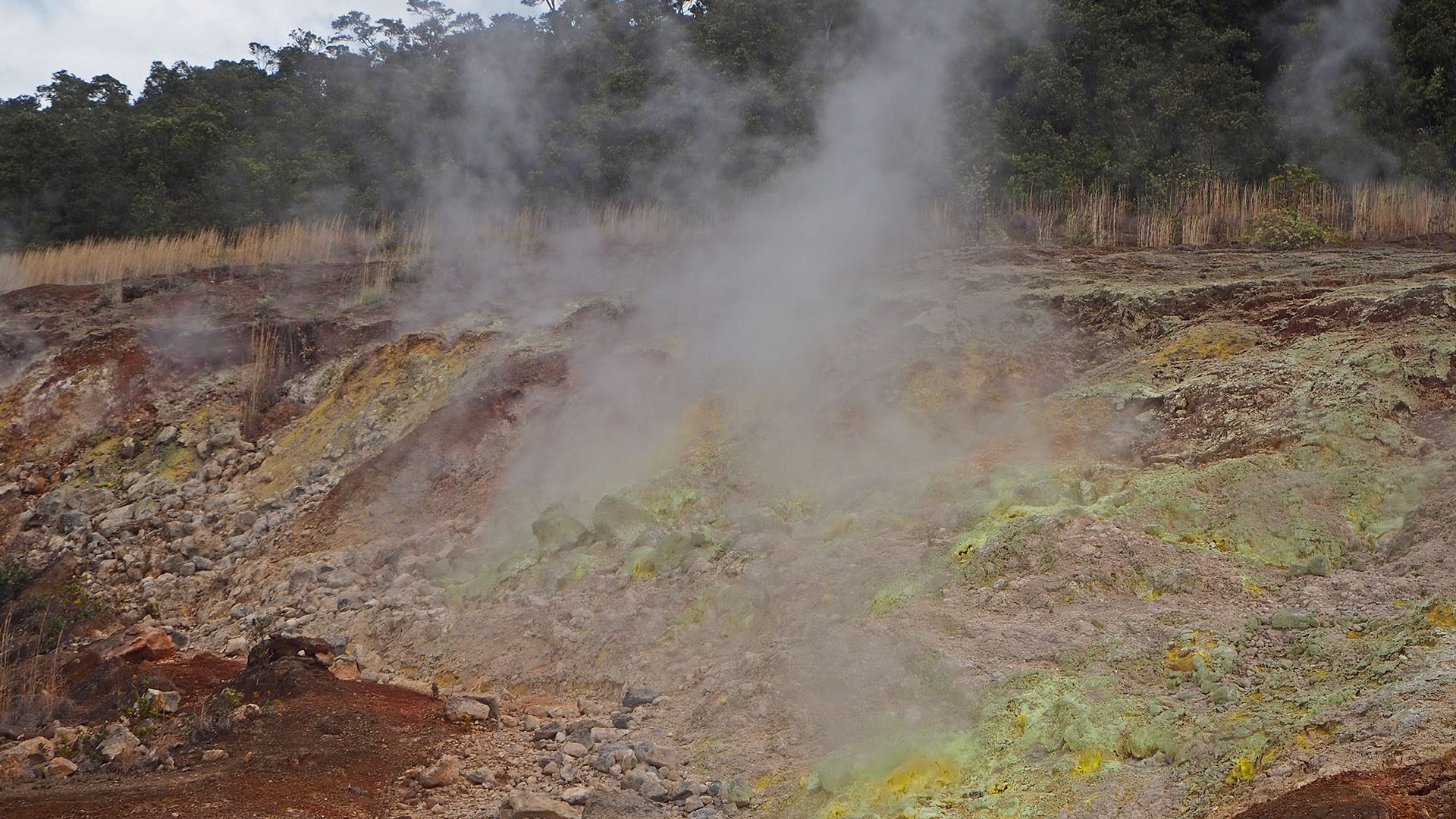
But on the positive side, the park had re-opened (after another closure due to government shutdown in January, just a few weeks before our visit). Even without molten lava the park was still worth a visit: the Kilauea Caldera is still impressive. The views on lava flows of the 70ies are also nice to see, and a hike over the Manua Ulu eruption(s) (1969 – 1974) on hardened lava structures is a very extraordinary experience.

Diamond Head

It wasn’t the best start into the day. Even mediocre cafés in Waikiki are very busy in the morning, and checking other cafés for shorter queues didn’t make it better.

Also, we recommend to inform yourself well about the buses in Oahu, or even better, ask the locals. There are around 20 bus stops containing “Diamond Head”, but just one is the correct for doing the famous hike. Being lost, we did our very first Uber drive and didn’t regret it.

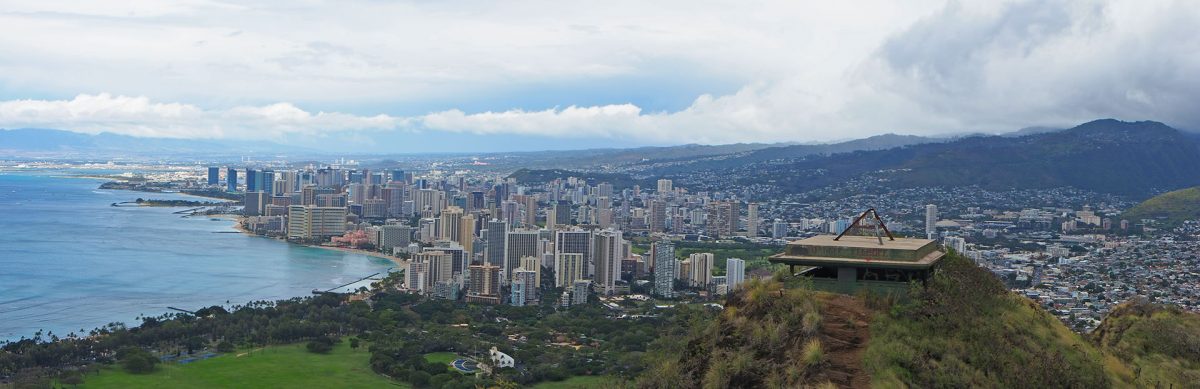
Diamond Head is a volcanic tuff cone (dormant), a national natural monument and a very touristy place. Doing a relatively easy hike (for Swiss standards) from the inside of the crater up to the cone rewards you with great views over Honolulu.

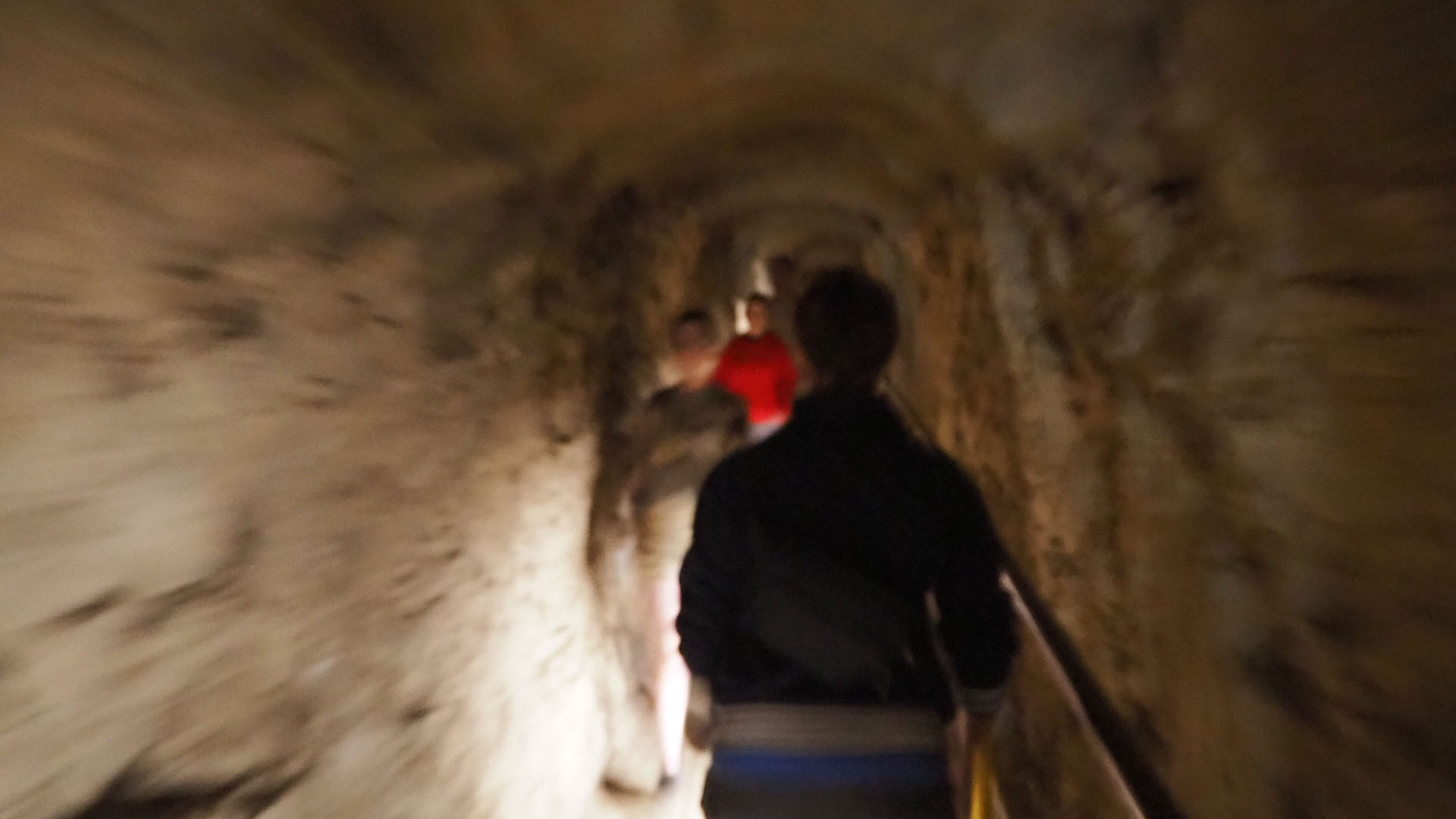
Tunnel up to the rim (nowadays with lights)
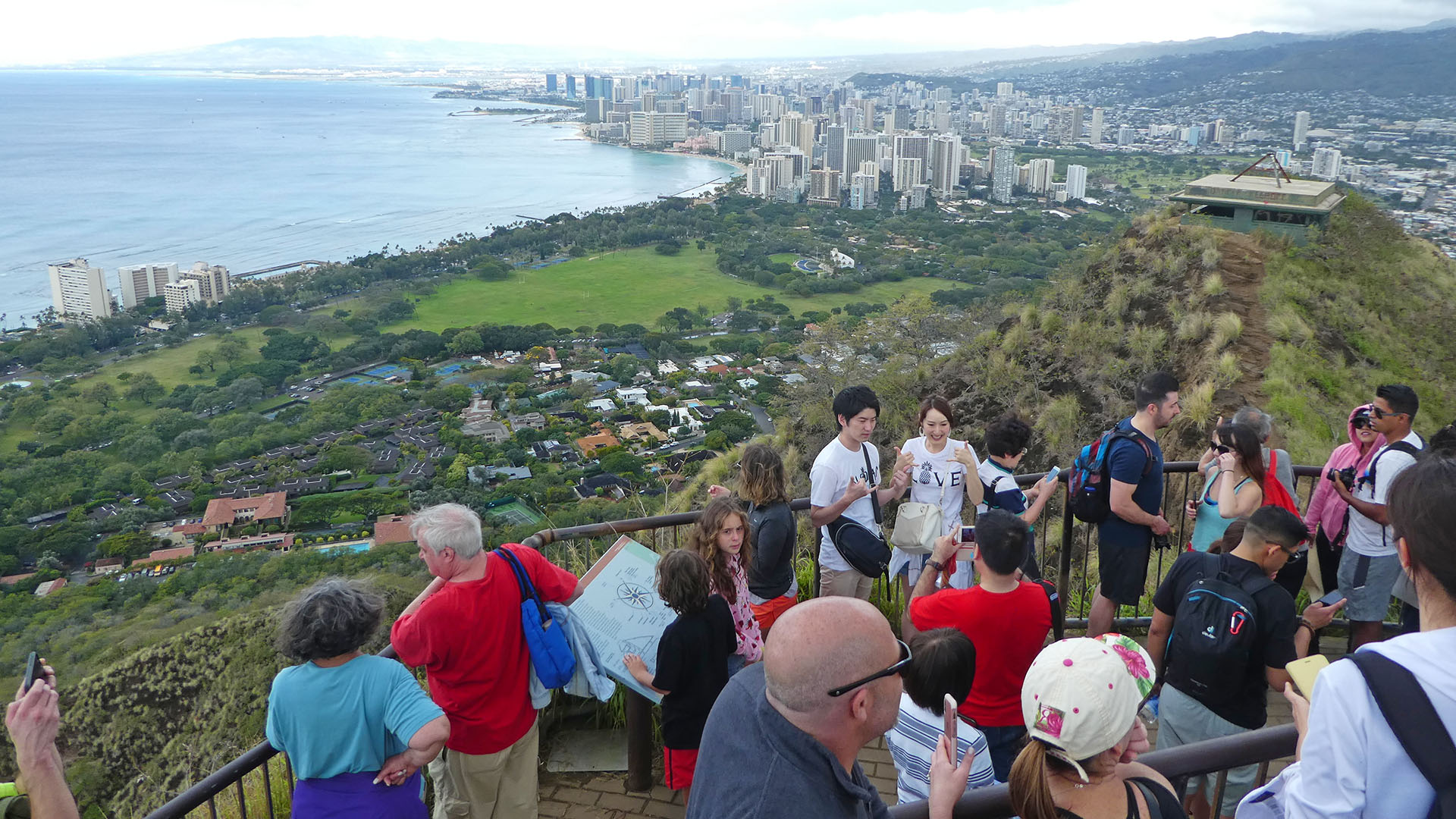
The “behind the scenes”-picture

Auckland

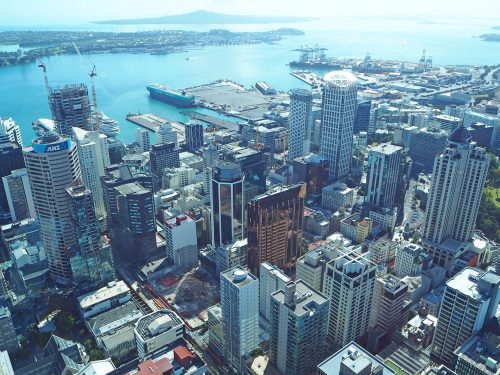
Auckland’s Sky Tower is 328 meters high, observatory deck is at 220 meters above ground level and offers a great view over the city.

City view from Sky Tower

Auckland was built upon volcanoes: the Auckland Volcanic Field counts 48 (dormant) volcanoes. Why not climb on some of them?

We took the ferry to Devonport and walked on Mount Victoria which is fortunately only 87 meters high, but providing a good view on Auckland’s skyline.

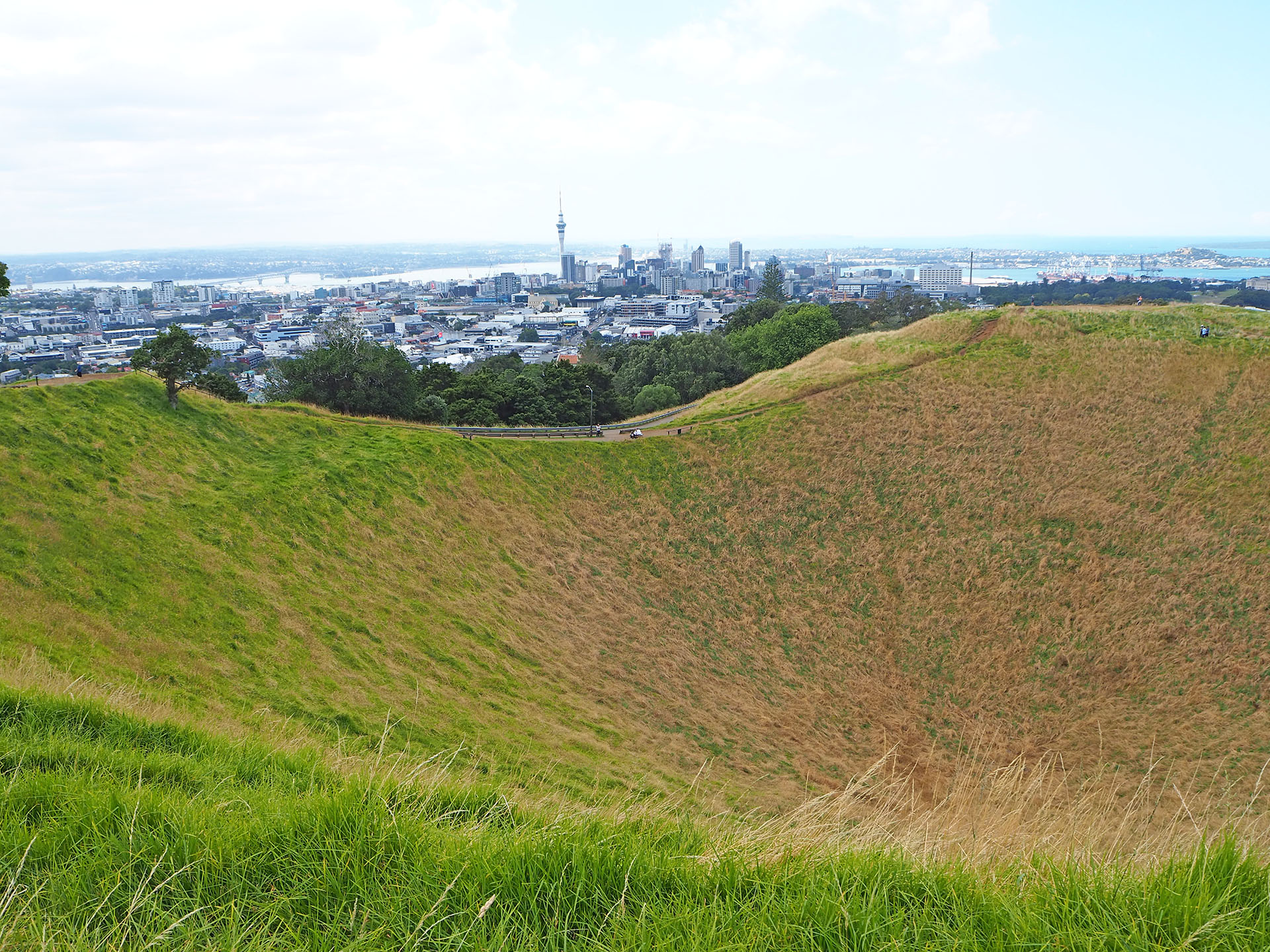
Next one was Mount Eden with its very obvious crater.

Mount Eden crater

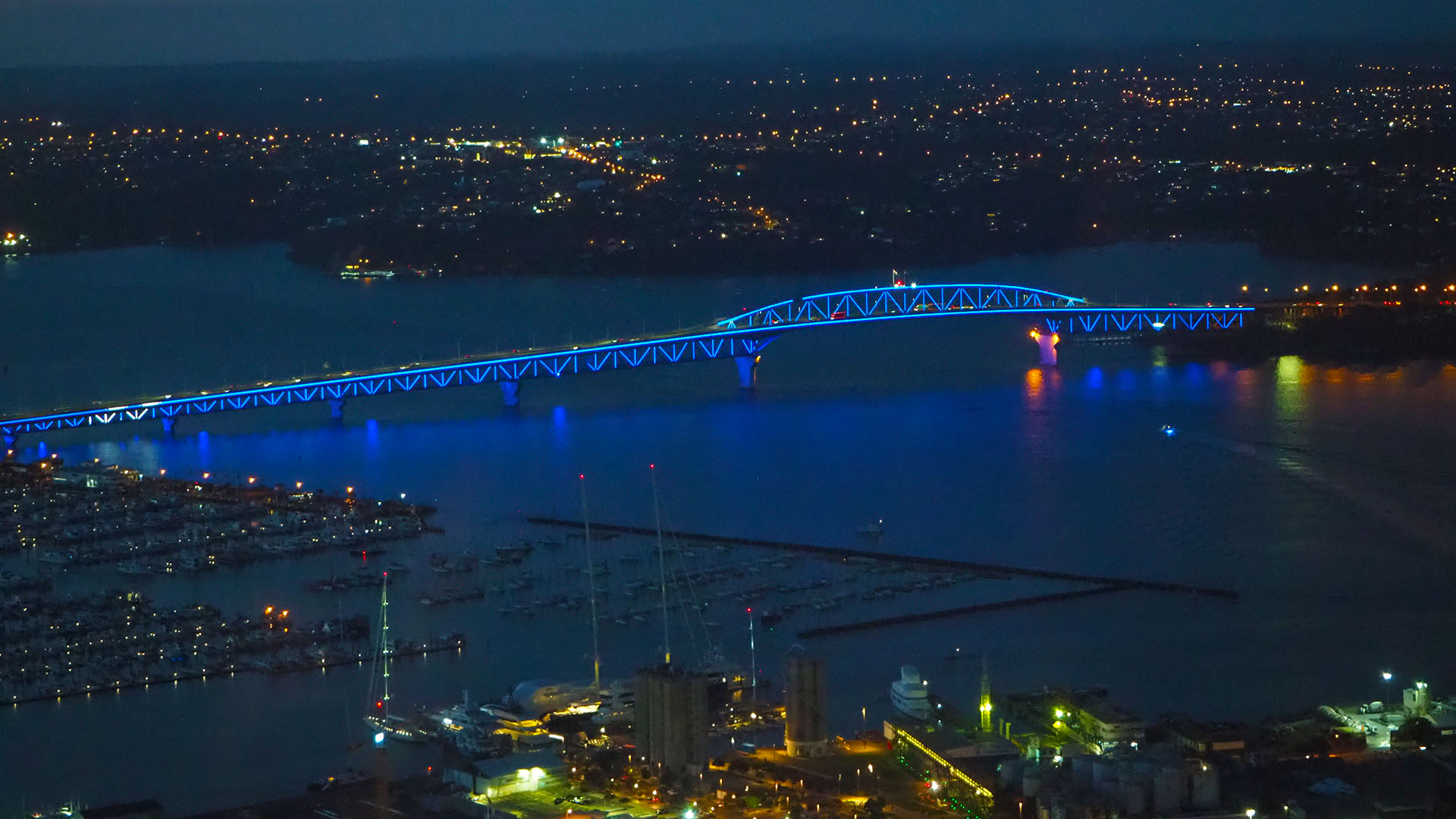
After a Mexican dinner we enjoyed the sunset and a light show from Sky Tower (again).

Light show

Rotorua Geothermal Fields

The North Island lies on the “ring of fire”. Tongariro, Taupo, Rotorua and the White Island are all part of the Taupo Volcanic Zone, which is one of the most active volcanic area on earth.

On our way to Rotorua we visited three geothermal fields:

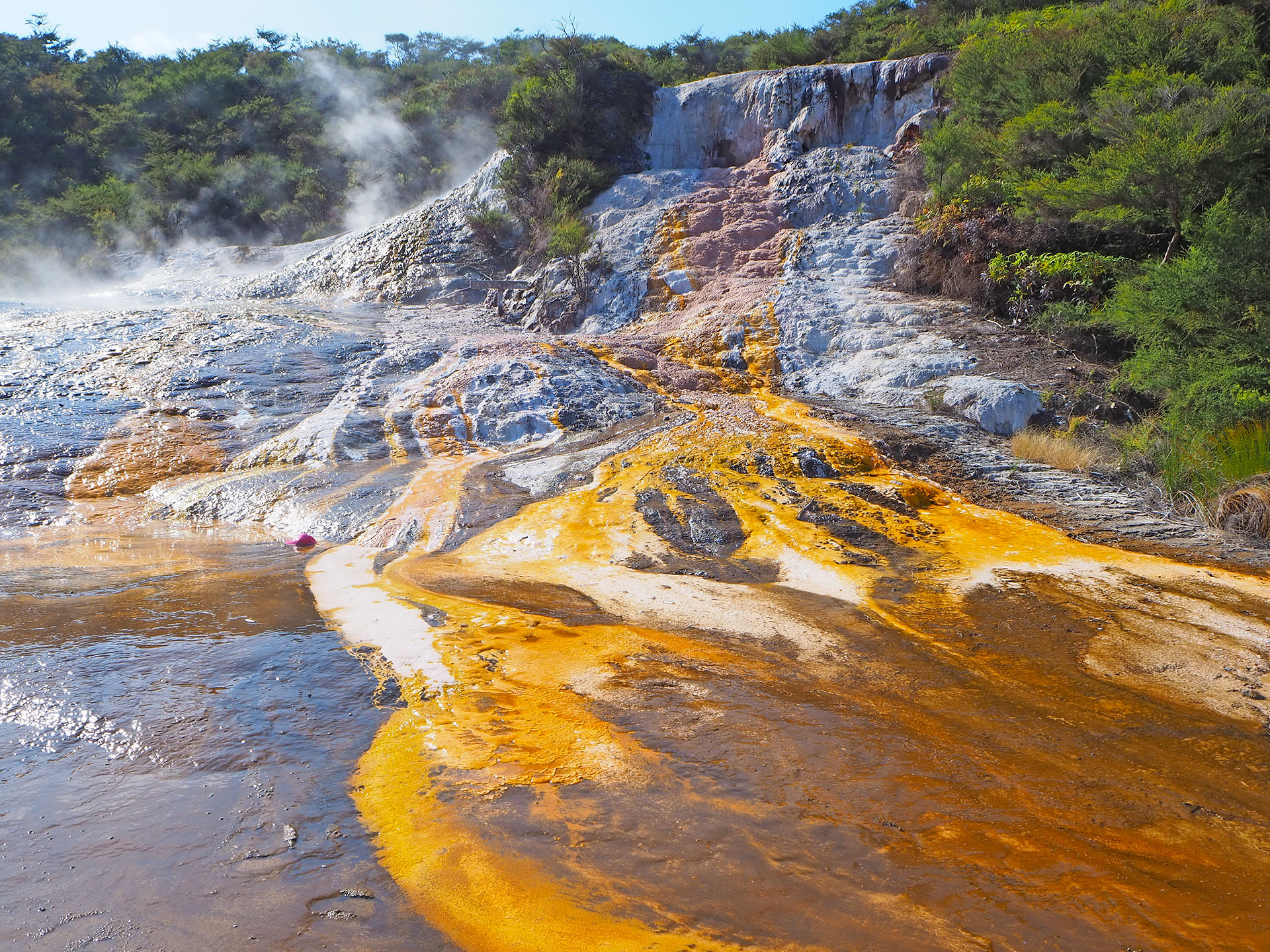
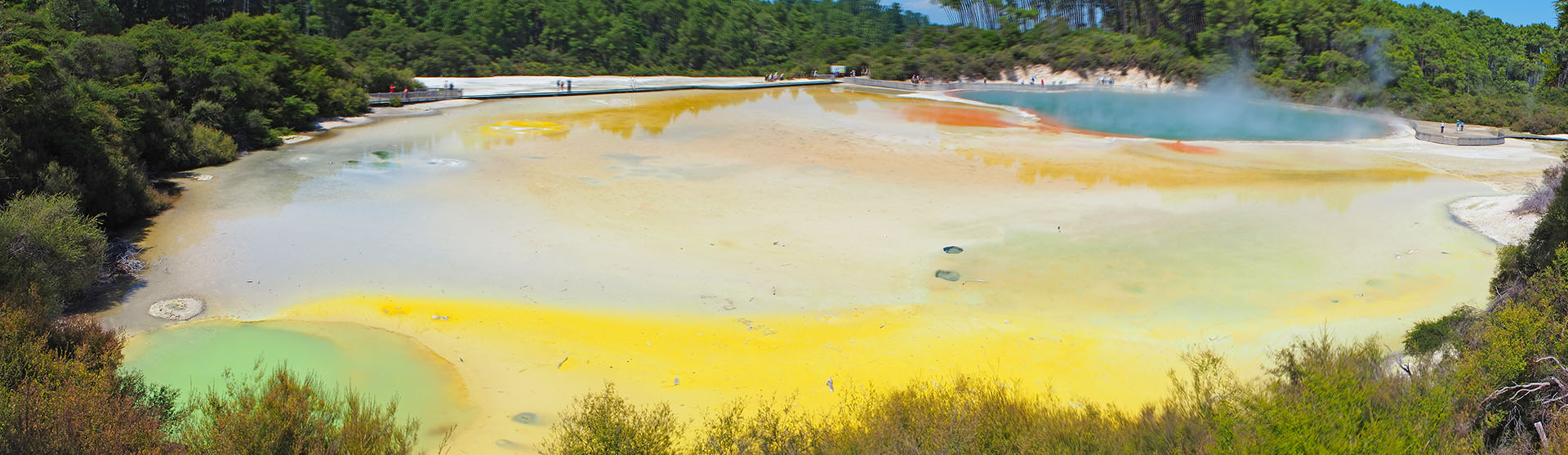
Orakei Korako (incl. Rainbow terrace):

Orakei Korako

Wai-O-Tapu (skipped the famous, but artificial Lady Knox Geyser):

Wai-O-Tapu

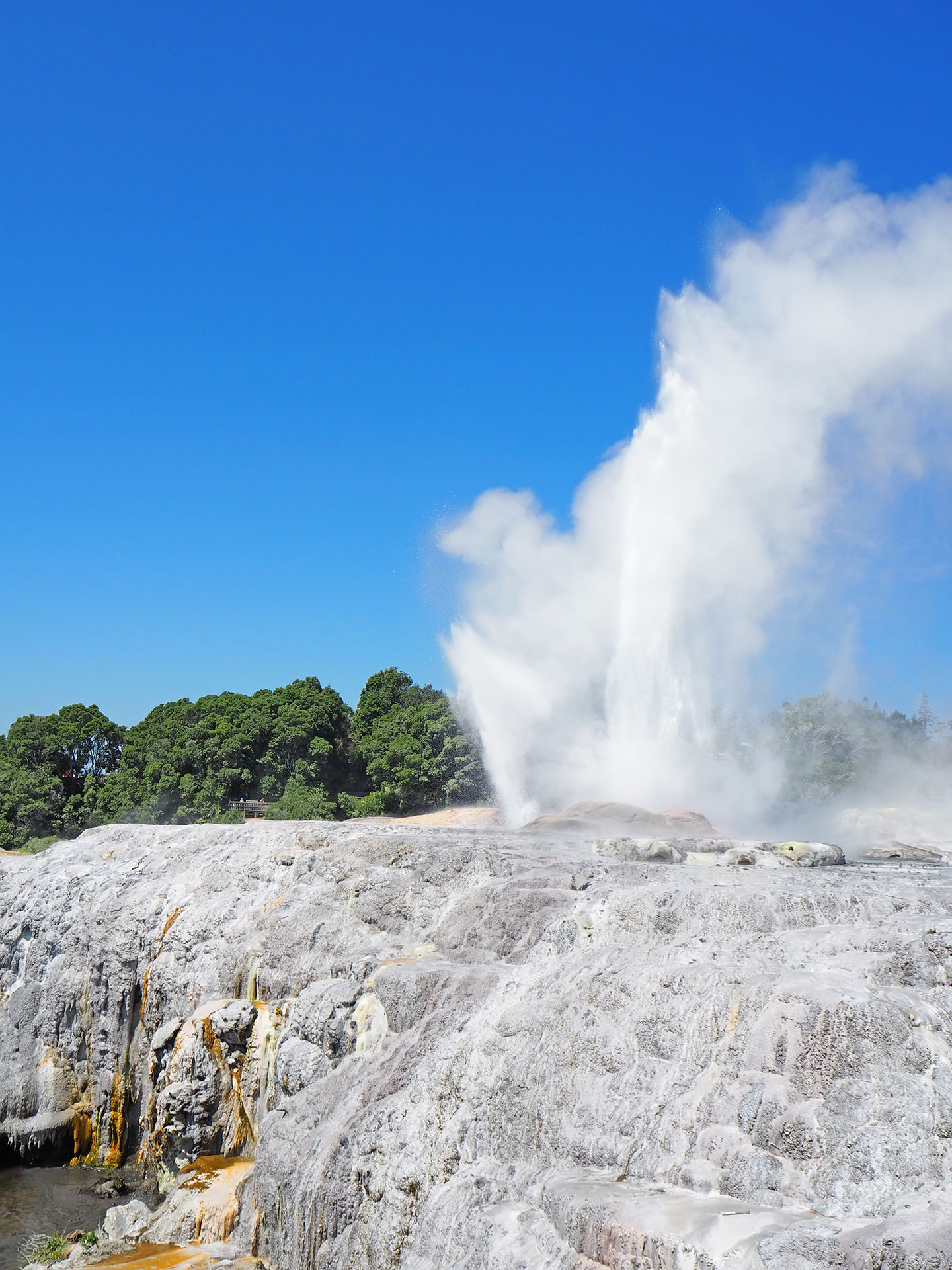
Te Puia (incl. famous Pohutu Geyser, erupting around 20 times per day, up to 30 meters):

Pohutu Geyser

Passage through Mordor (Tongariro Crossing)

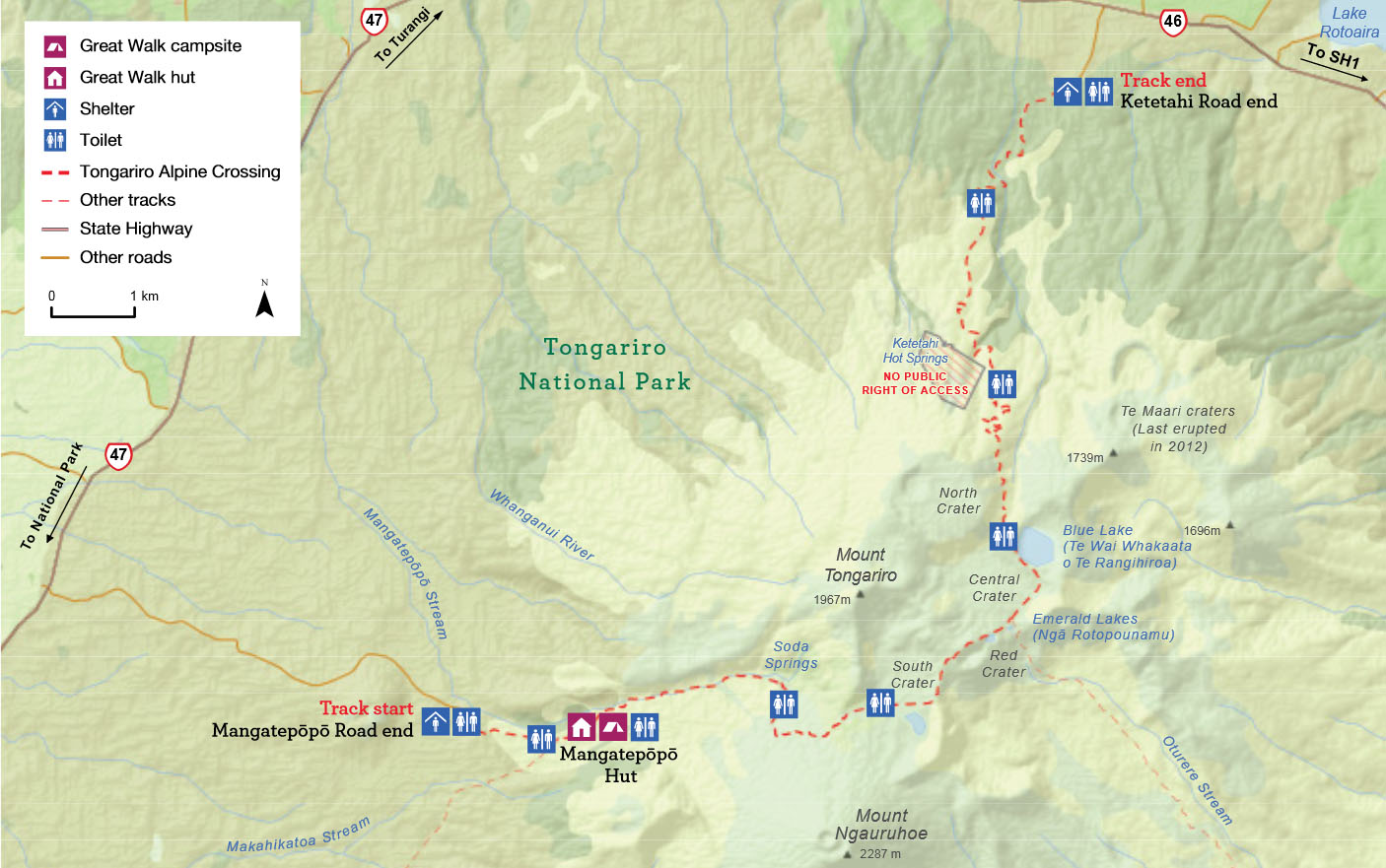
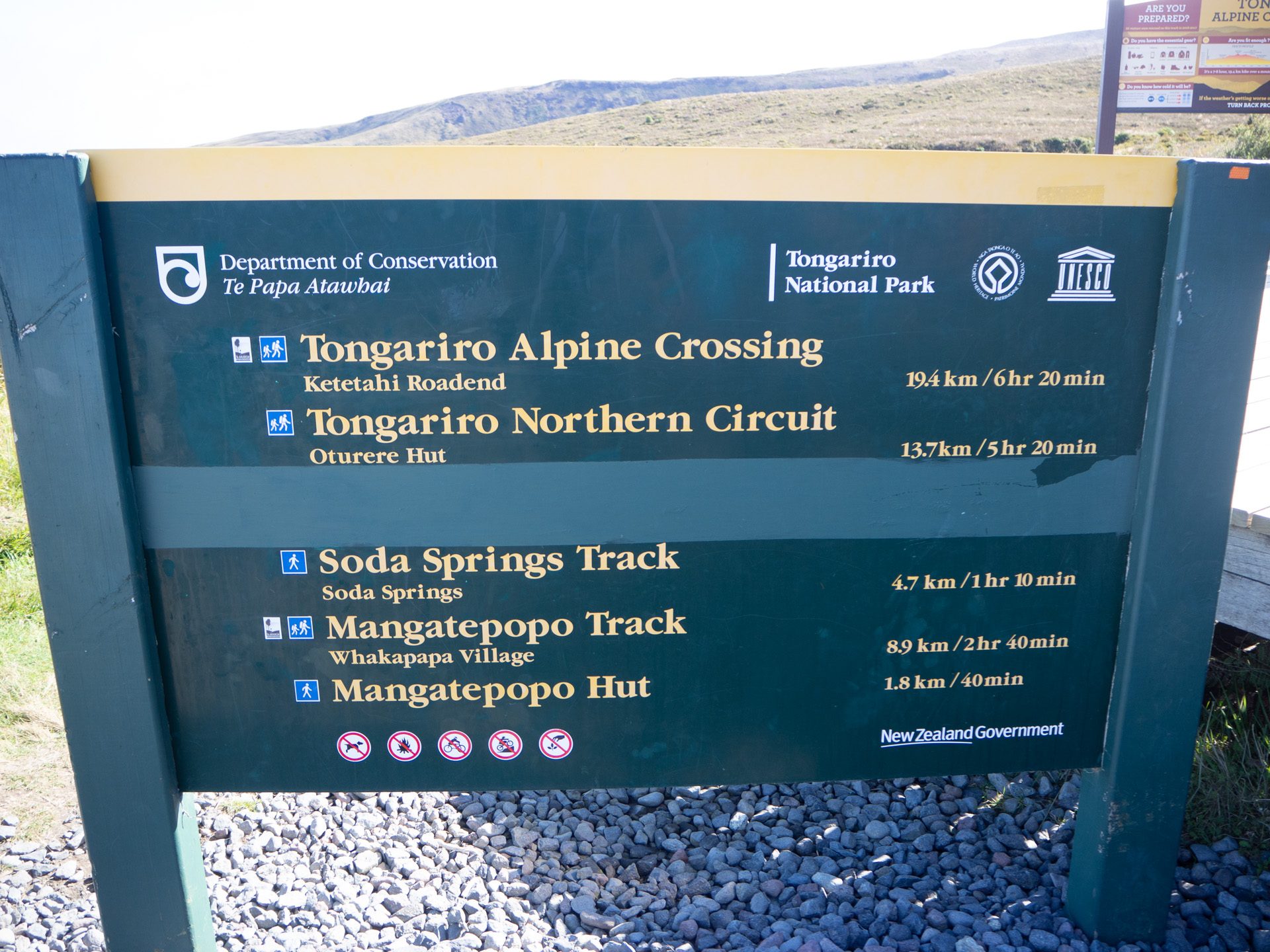
Grey sky, clouds and even drizzling rain. Not a very promising beginning of the day. But we knew the forecast and hoped for better weather on our much-awaited hike: Tongariro Alpine Crossing, according to several sources one of the best day-hikes in the world:

“Trek across a volcanic alpine landscape of dramatic contrasts – steaming vents, glacial valleys, ancient lava flows, alpine vegetation and vivid crater lakes, all with stunning views.”

Tongariro Alpine Crossing map

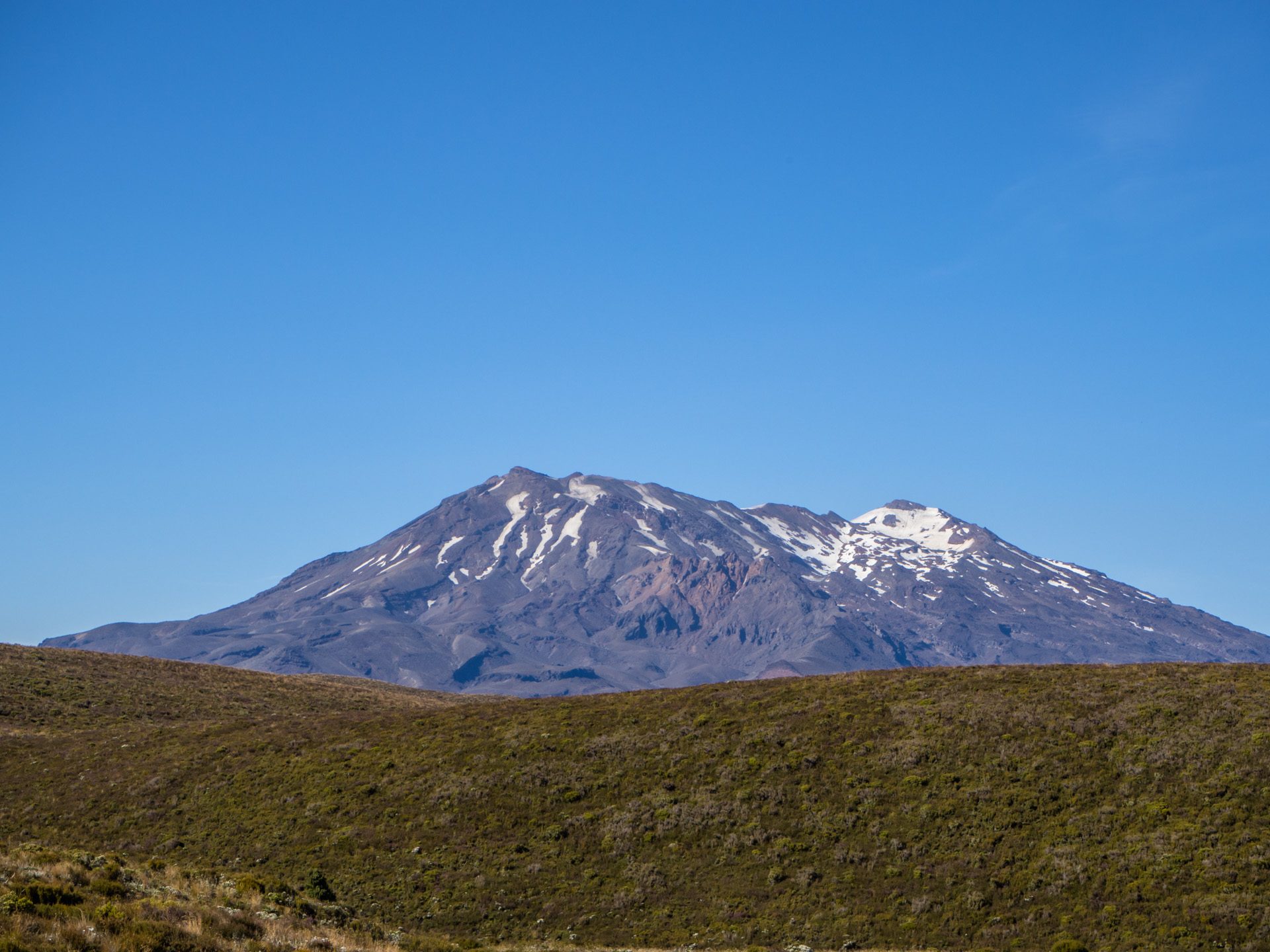
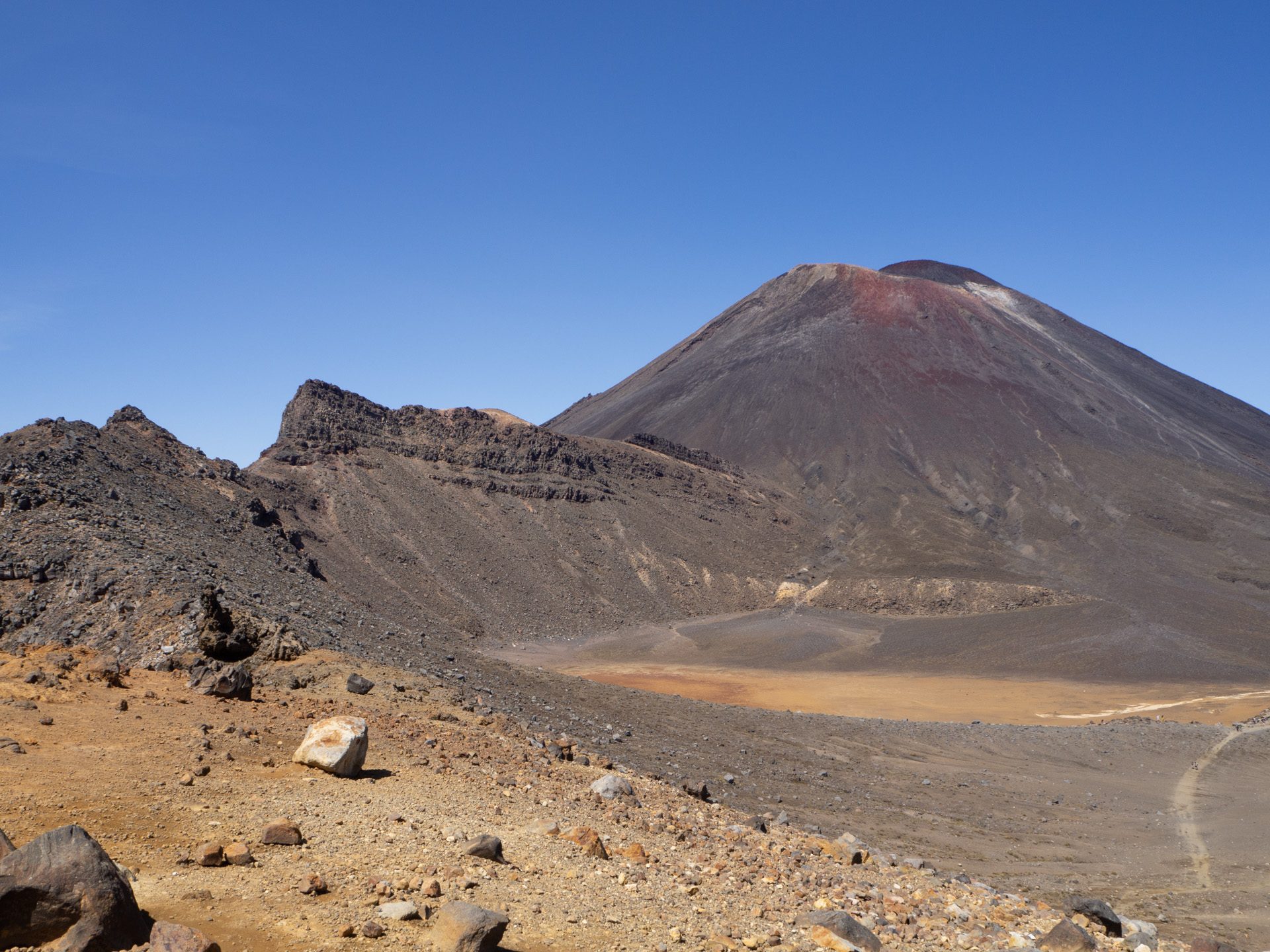
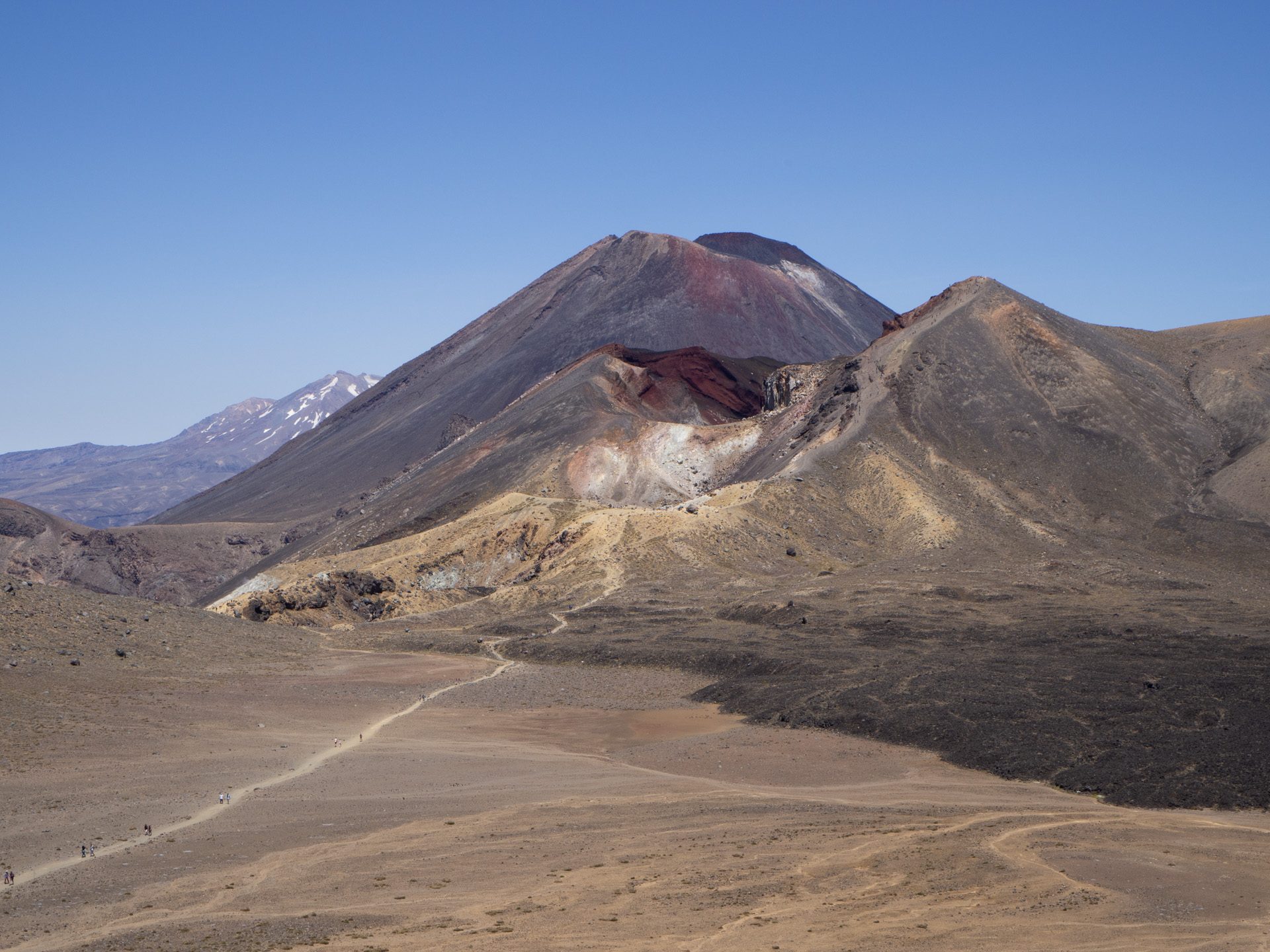
A hike which also got a popularity boost after the screening of the Lord of the Rings trilogy, as the volcano Mount Ngauruhoe was used for Mount Doom of Mordor.

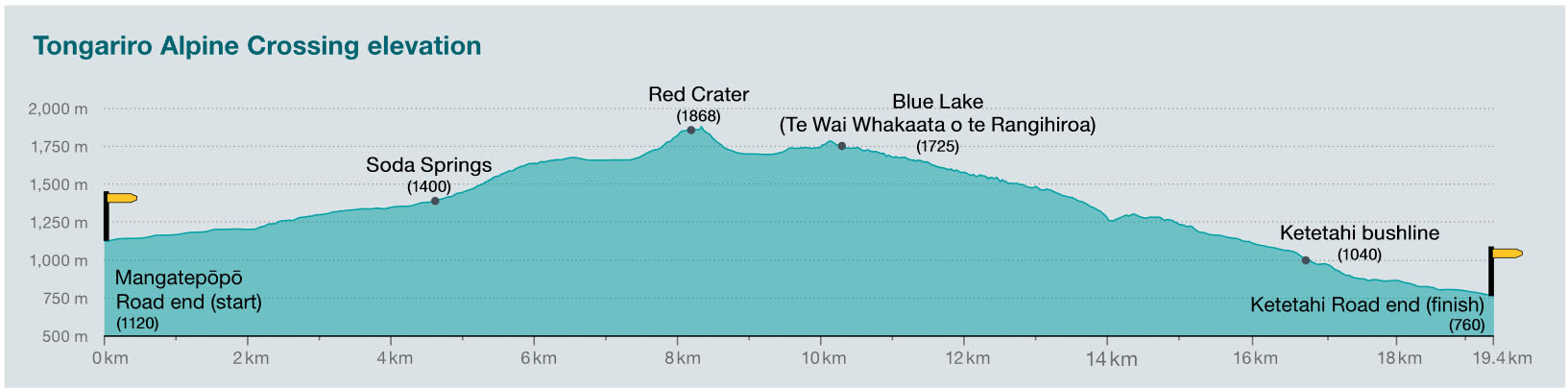
A shuttle bus took us to the start of the track and guess what? Sunshine! Ok, now it’s just 19.4km of hiking track, 1196m change of altitude and many other hikers with the same goal.

Elevation profile

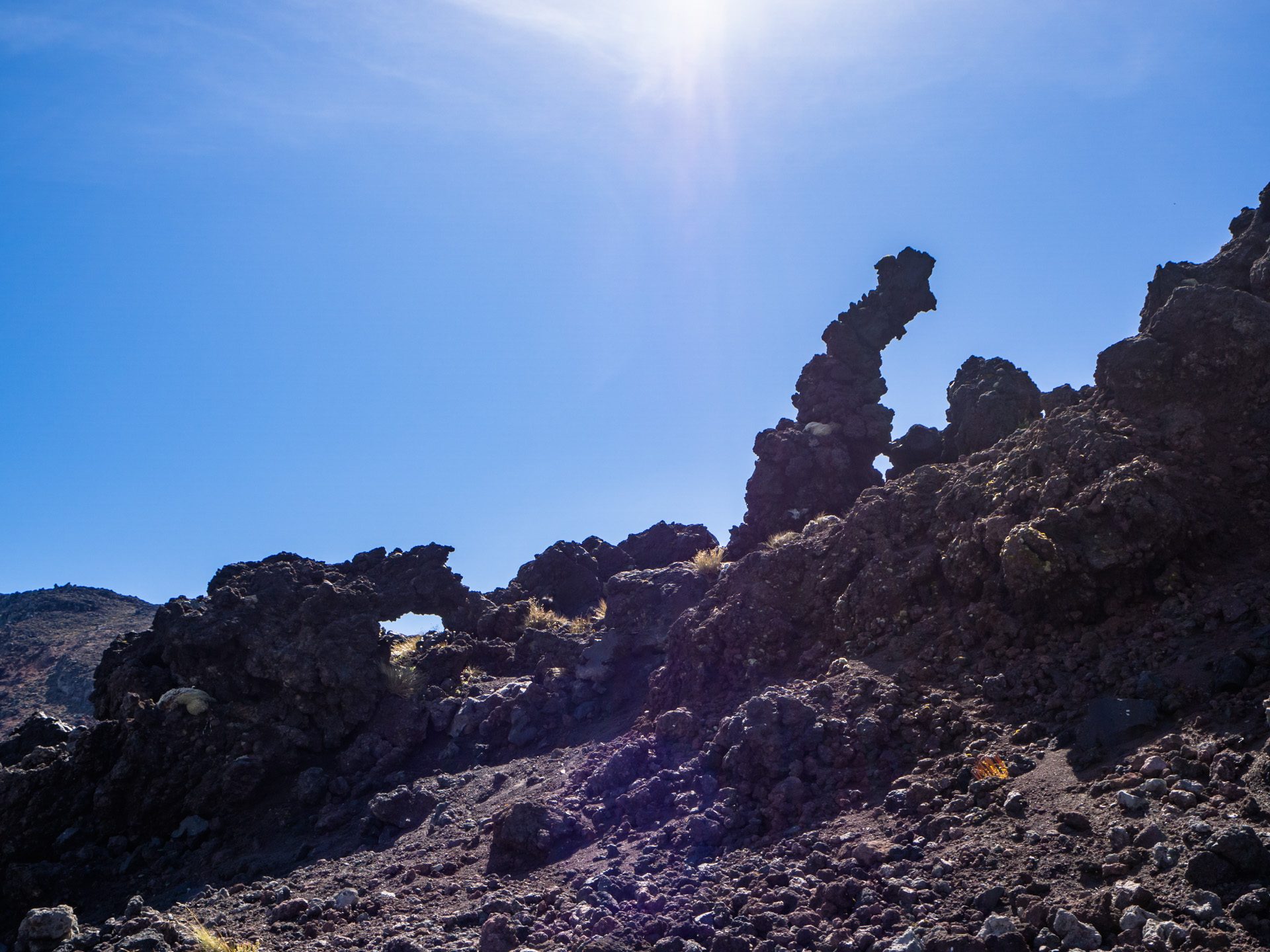
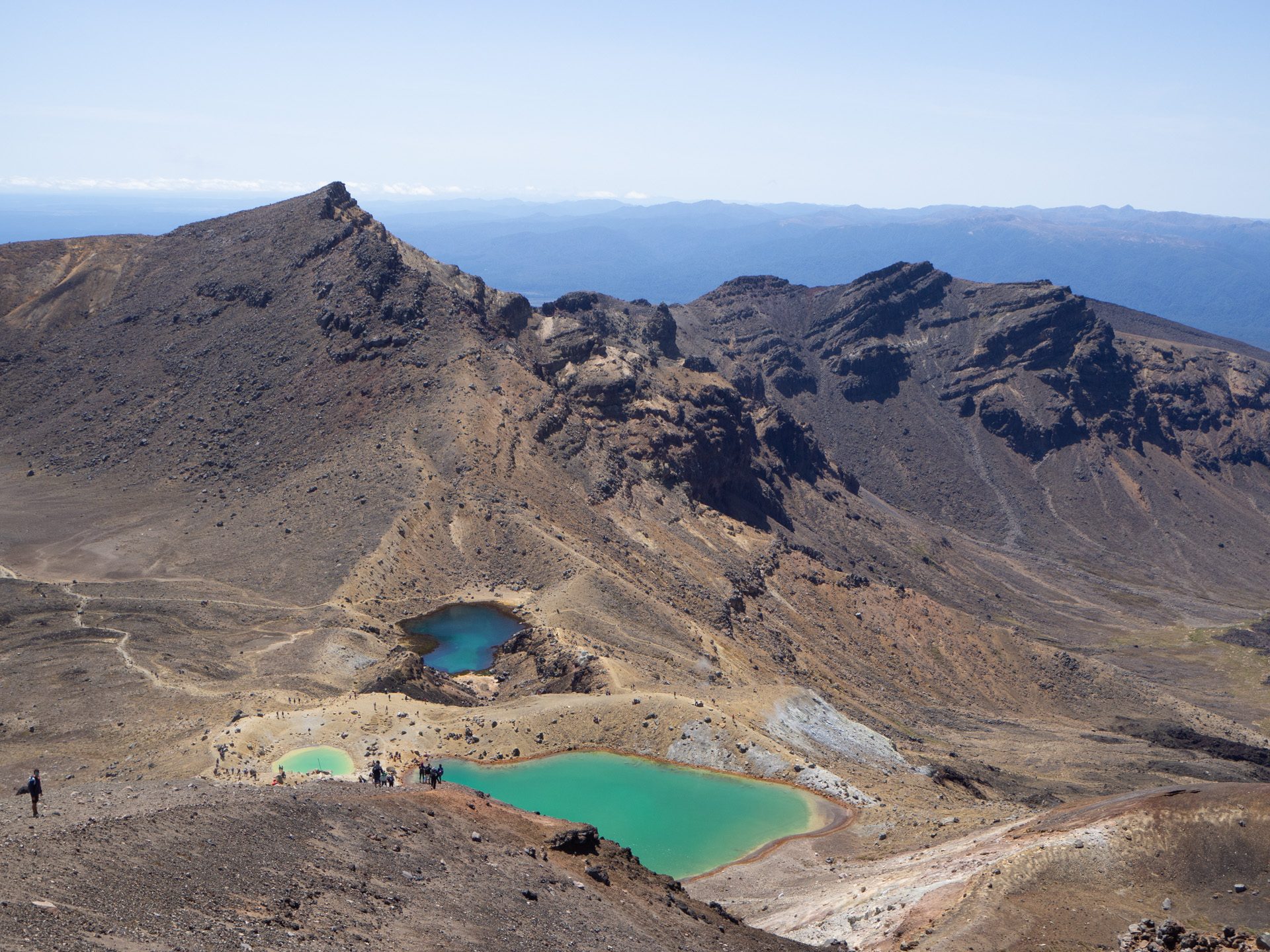
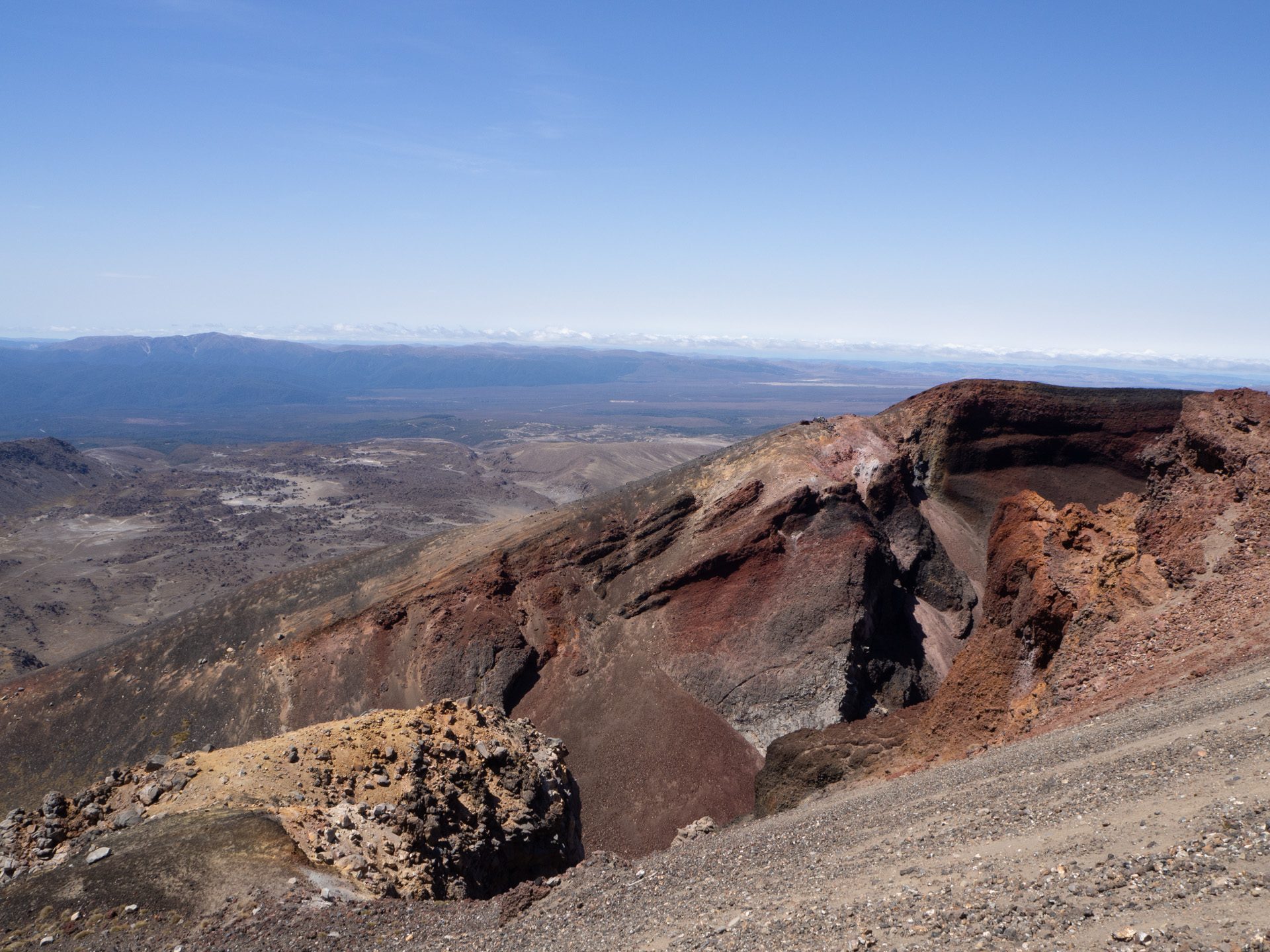
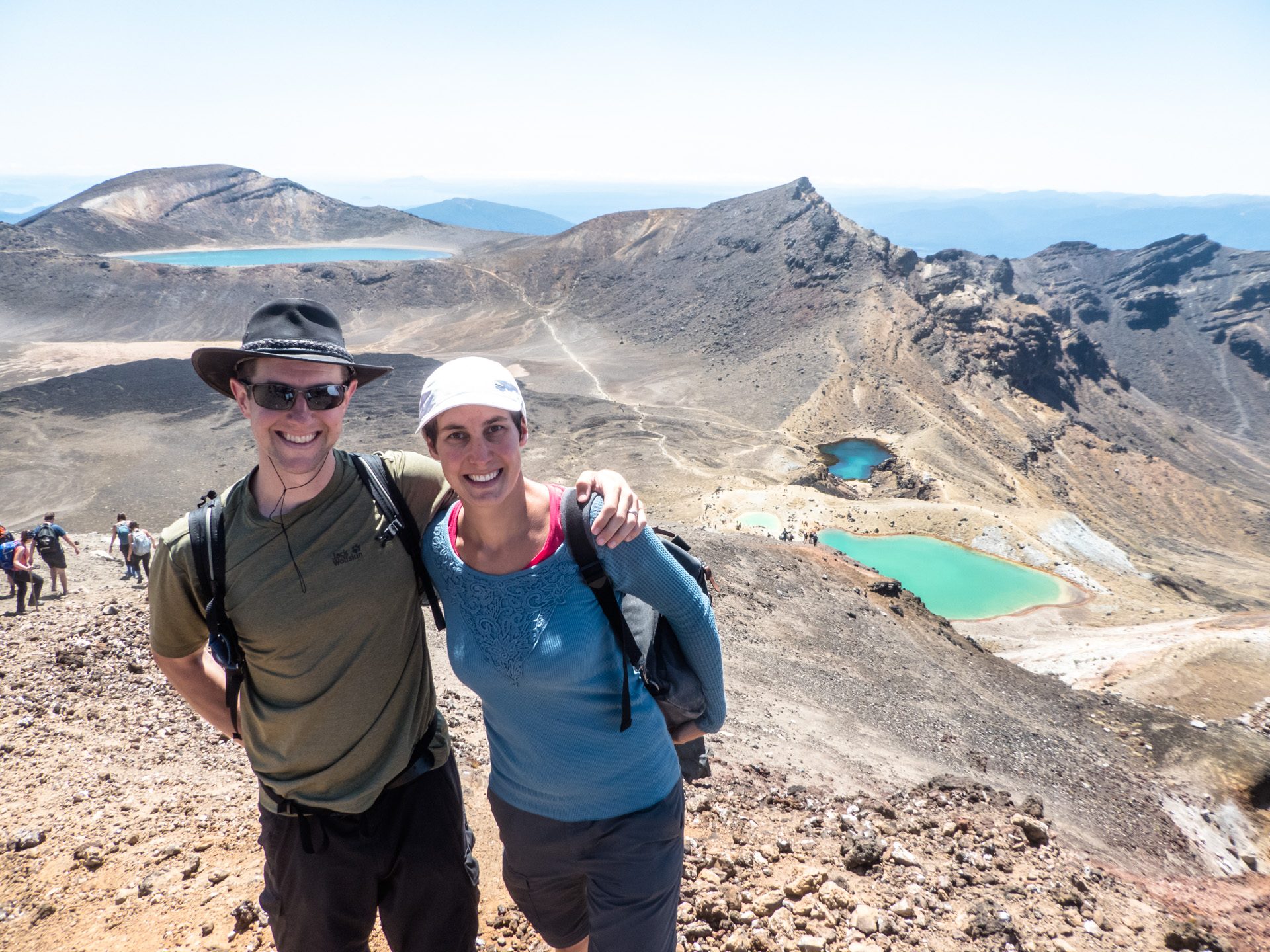
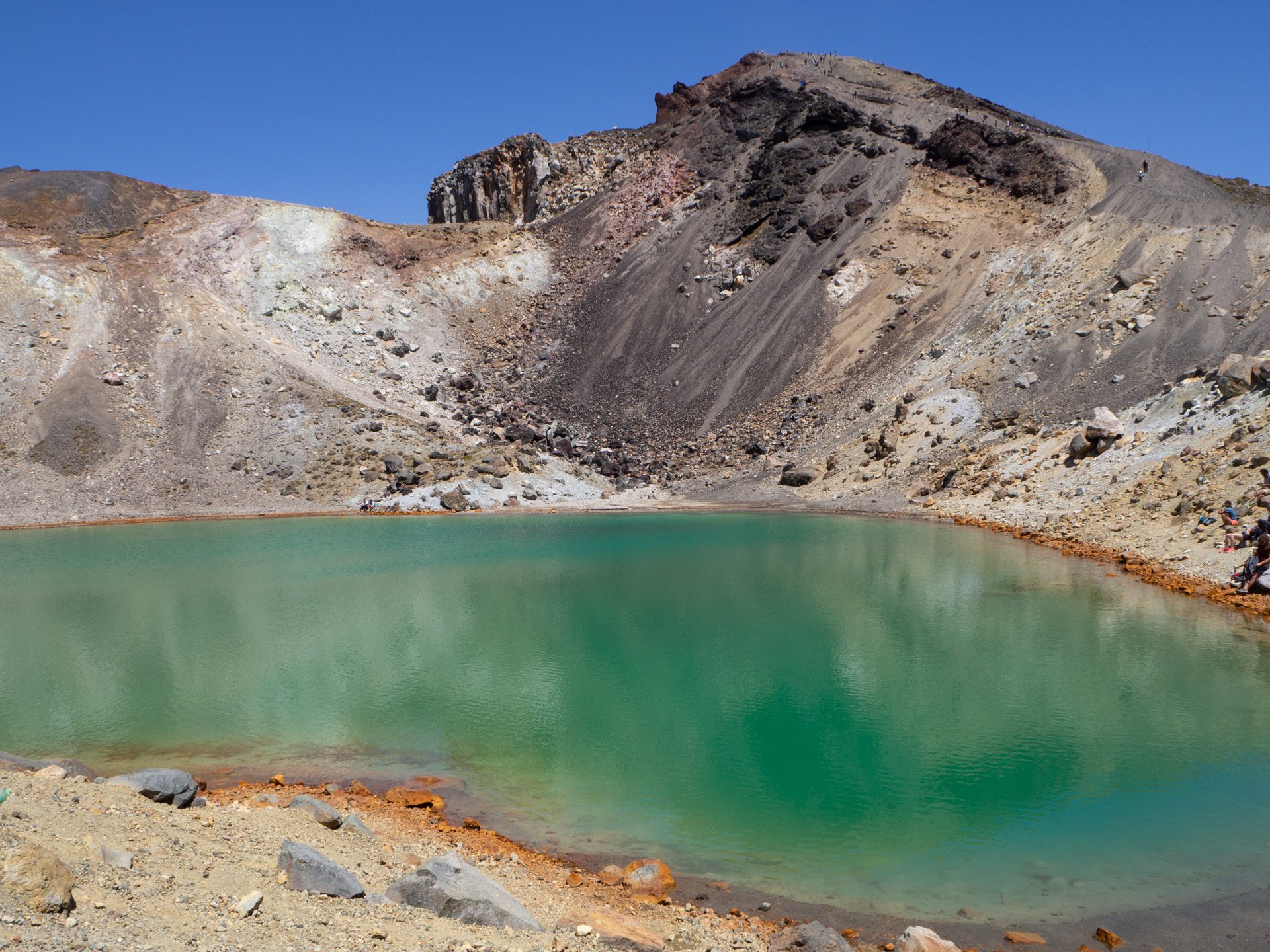
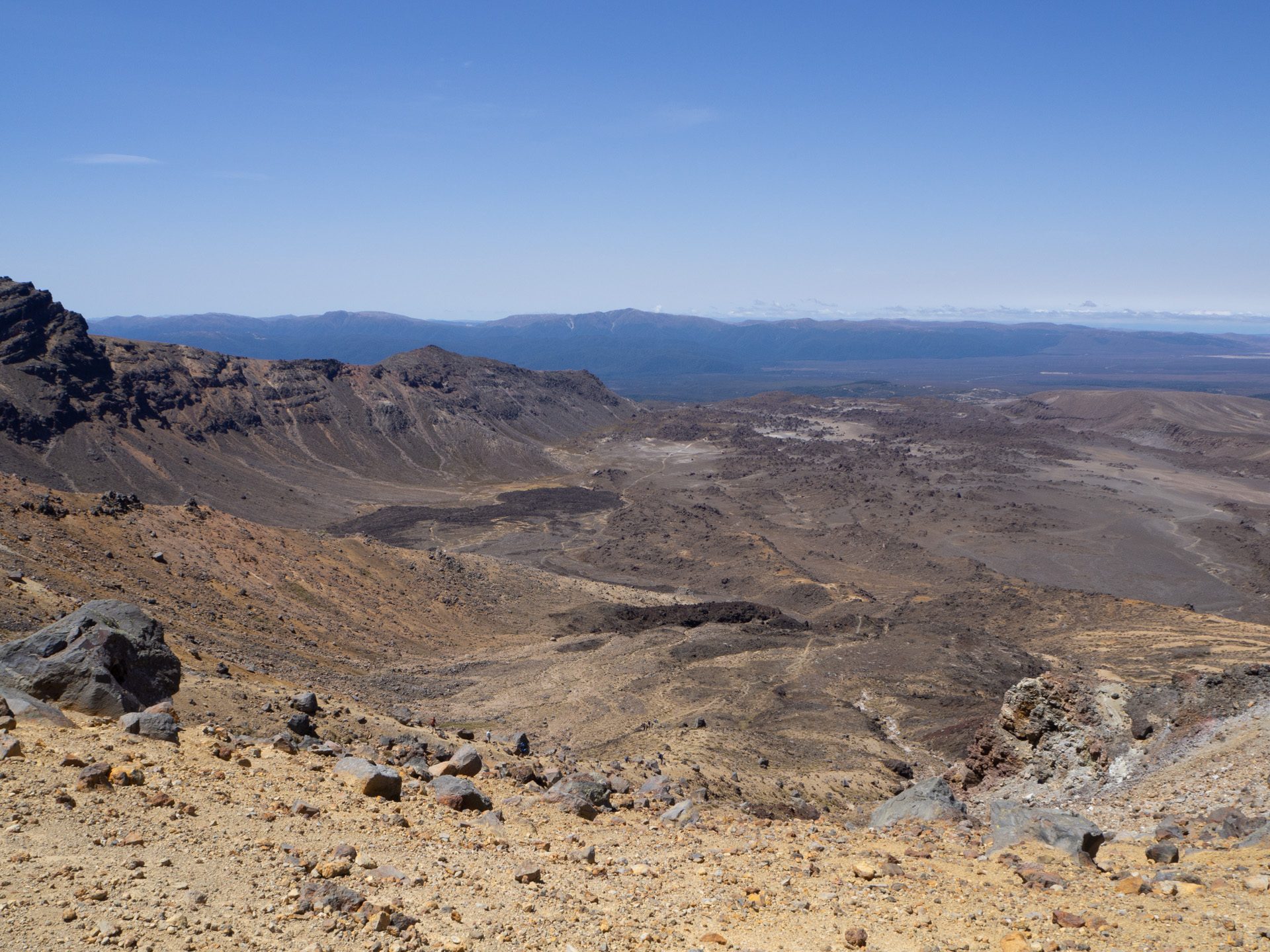
It’s difficult to describe this track better than DOC has done it already (see above). So from our side just the confirmation, that this hike should really be on your bucket list for New Zealand. Wandering over not-so-old lava flows, seeing the stunning colors, smelling the sulfur scents, hearing the steam vents and overlooking crater landscapes out of this world was just… wow!

It took us almost exactly 6 hours (incl. breaks) to reach the end of the track and the bus stop. Guess what? We just arrived on time for one of our shuttle (they run every hour) and it had just four seats left.

Forgotten World Highway

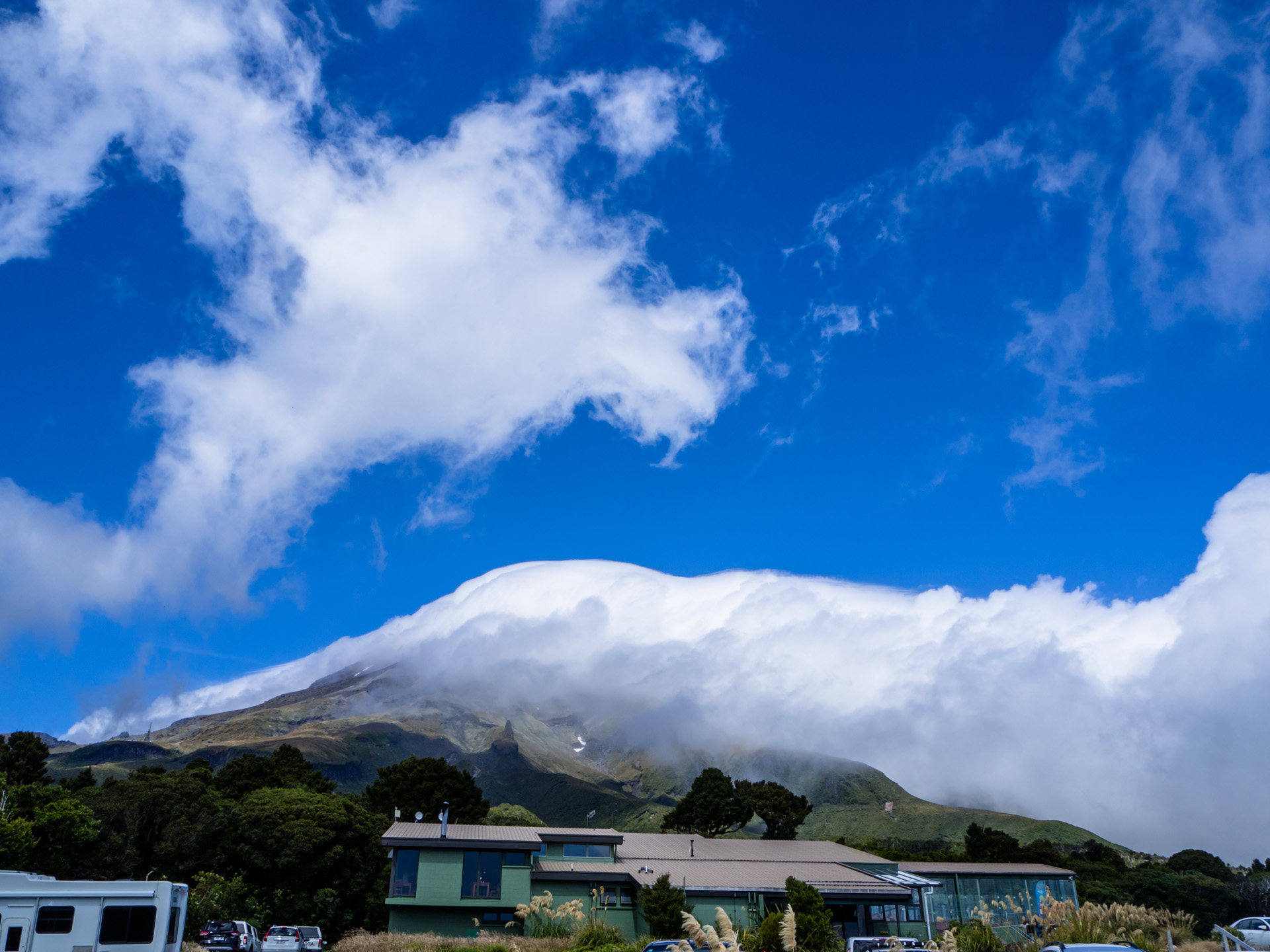
To fill our day we first visited Mount Taranaki again in the morning, but from a different entrance. He was hidden within clouds but we enjoyed the short walks nevertheless.

Mount Taranaki – disguised

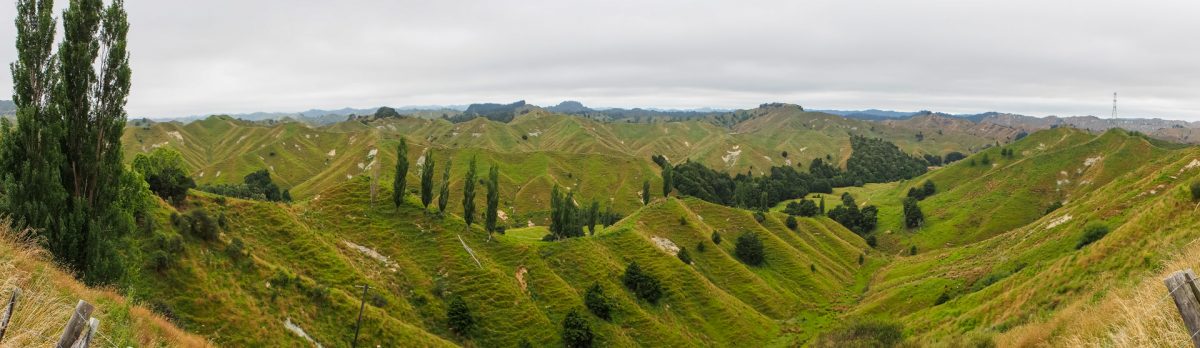
Stratford is the beginning (or end) of the Forgotten World Highway, an old scenic route with four “saddles”, a tunnel, little towns, a few detours and an unsealed section. A curvy (yep, New Zealand…) but enjoyable drive. A short walk to the Mount Damper Falls was a worthwhile break from driving.
Mount Damper Falls
Todays destination was Tongariro National Park Village where we booked the shuttle for tomorrow’s big hike.

Mount Taranaki

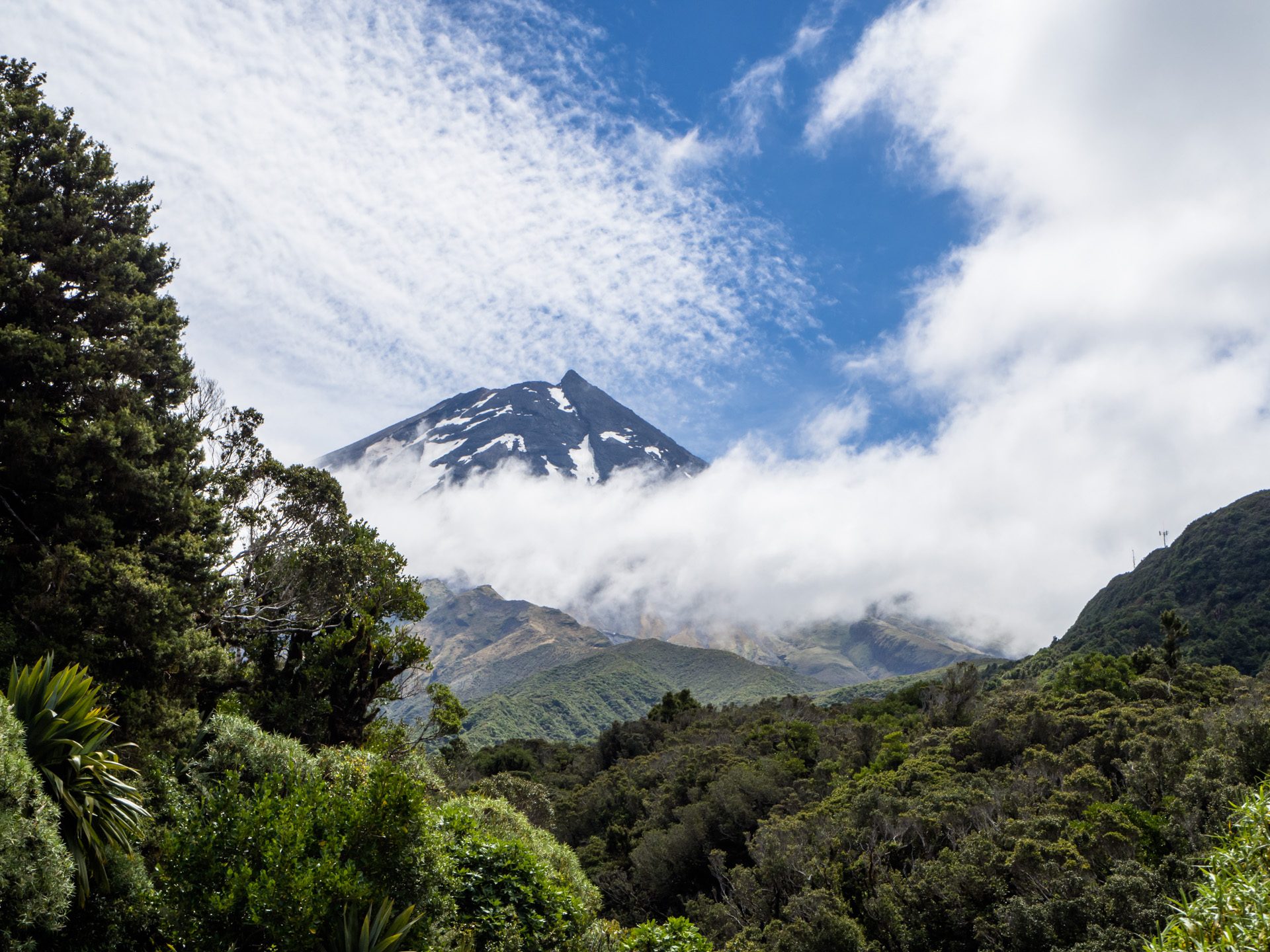
After a rather boring ride towards Egmont National Park everything changed to the good. The impressive (and active) stratovolcano Mount Taranaki (2518m) – often hidden within clouds – got rid of his disguise.

Volcano Mount Taranaki

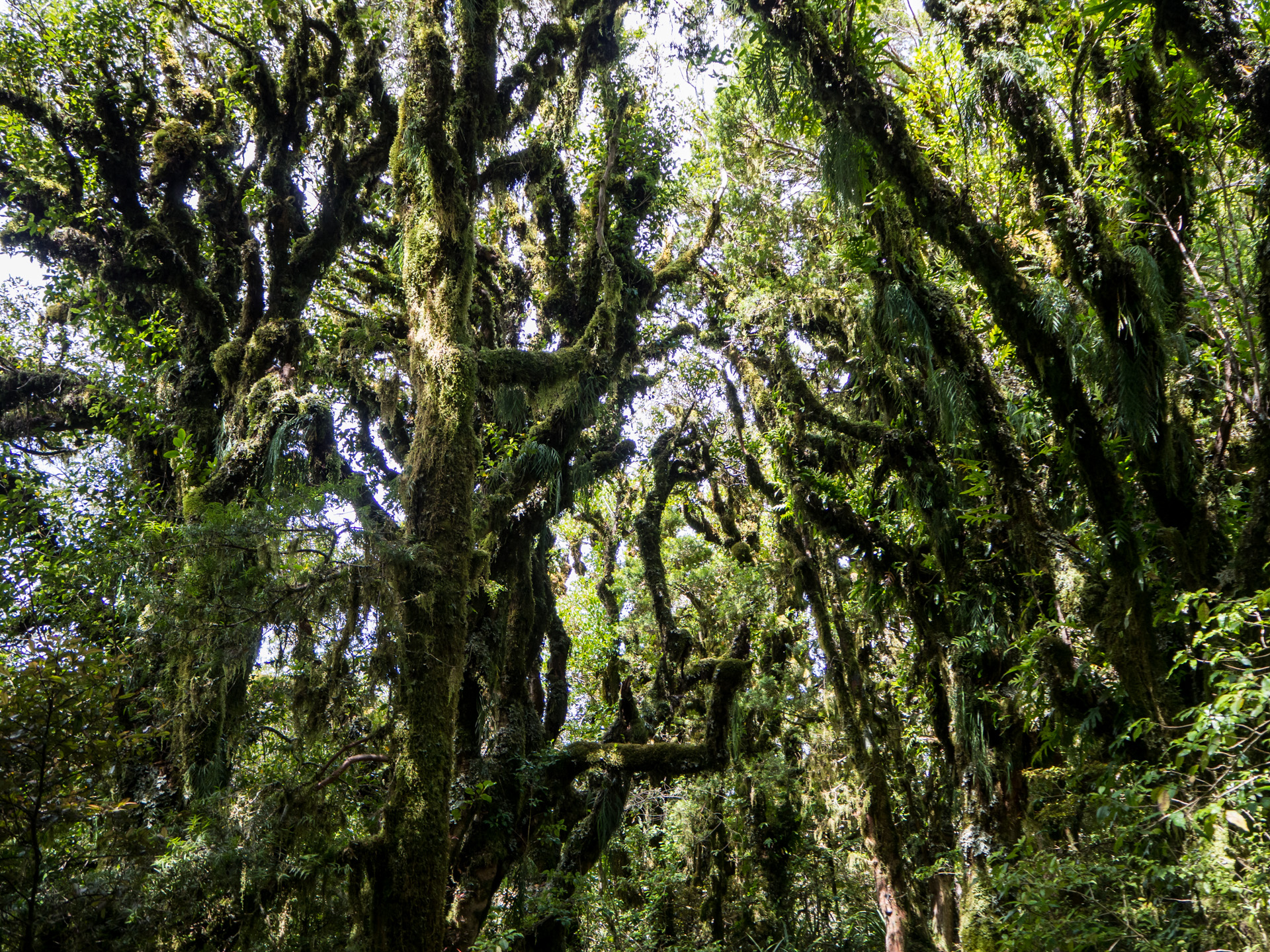
Mount Taranaki’s last major eruption was 1854, some scientists say the next one is overdue. From the visitor center we started to hike on the Wilkies Pools loop and extended it to the Waingongoro Hut. You walk within a “Goblin Forest” and we understood why. A forest from a fairytale, indeed.
A “Goblin Forest” from another world

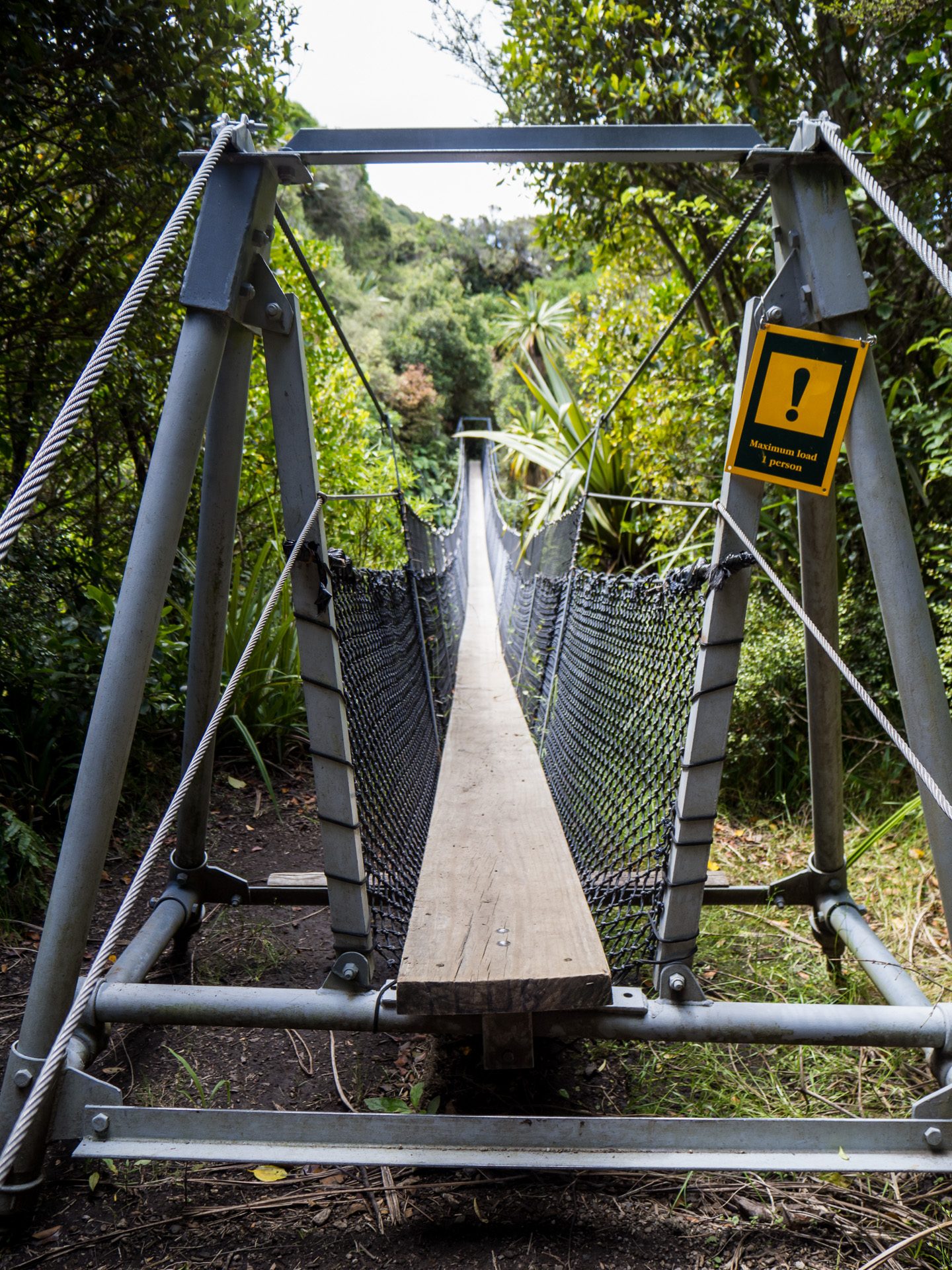
Another highlight was the one-person-only swing bridge over a deep canyon, offering a view on Mount Taranaki.
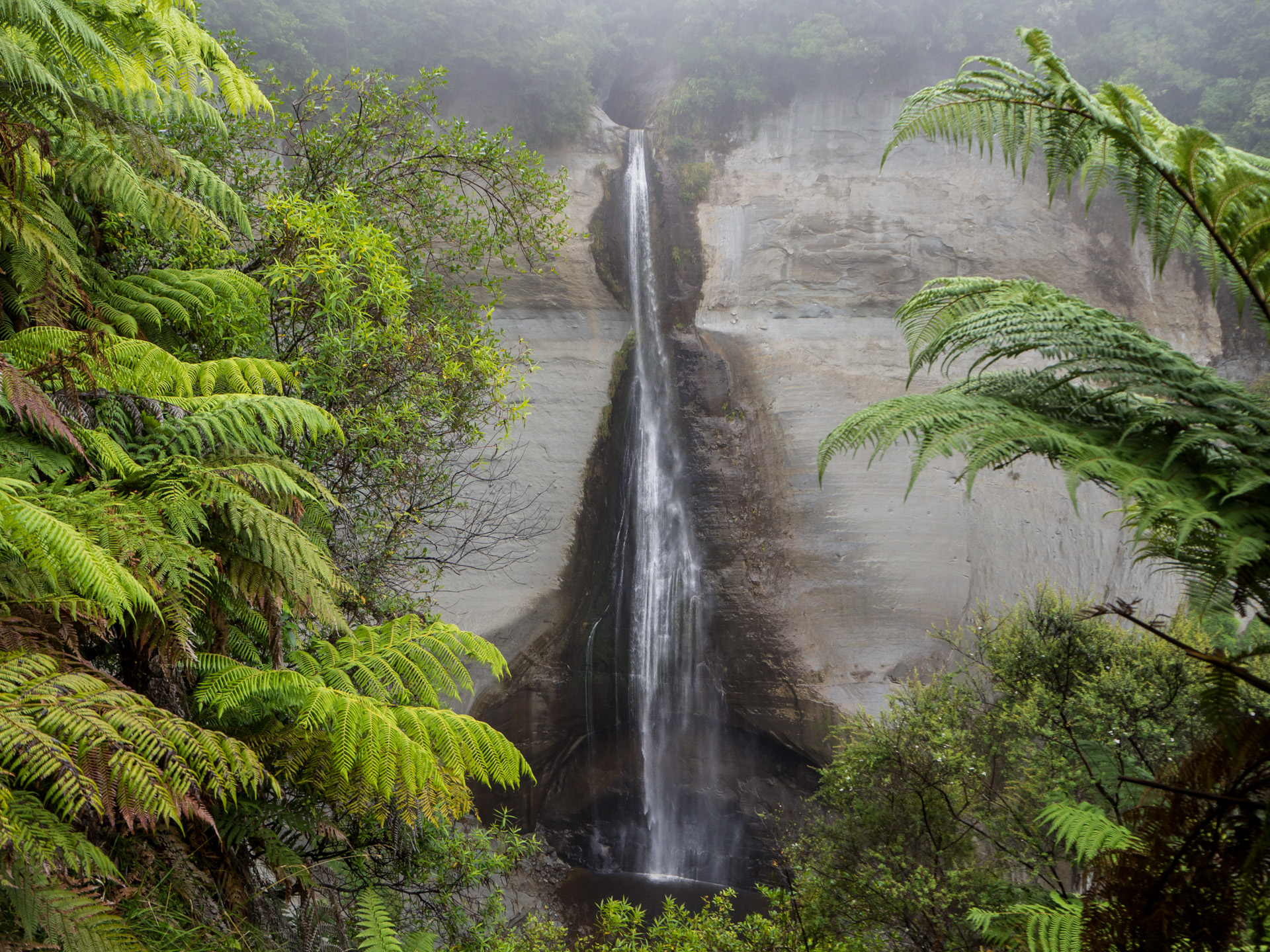
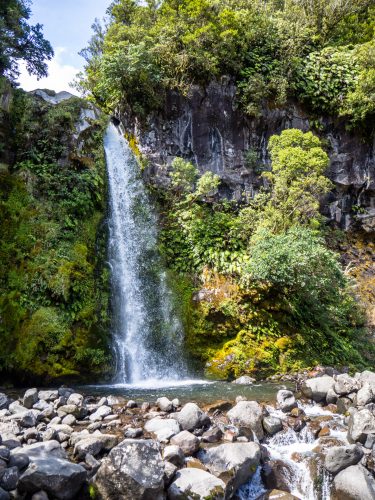
Before returning to the campervan we also visited the Dawson Falls.

Dawson Falls

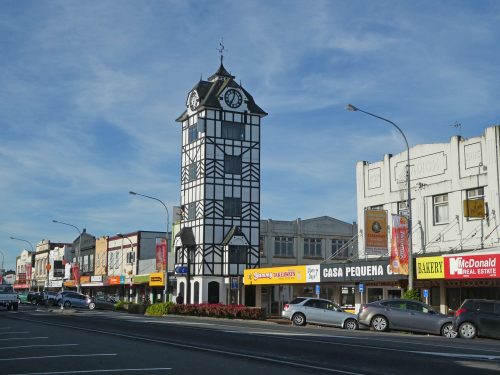
We spent the night in Stratford, where we enjoyed a “Glockenspiel” (play of bells, but they used the German expression, too) and a walk in the park.

“Glockenspiel” at Stratford