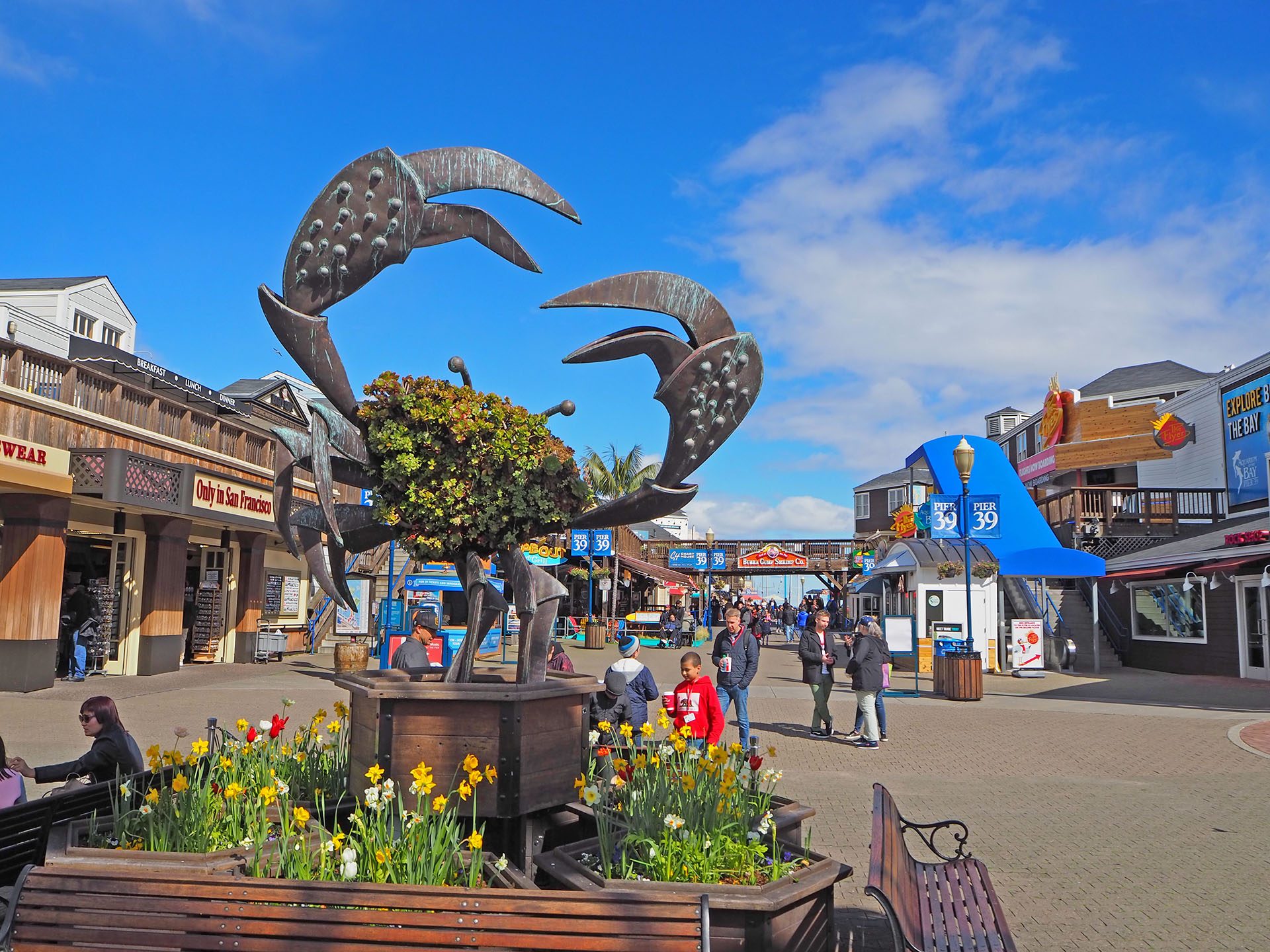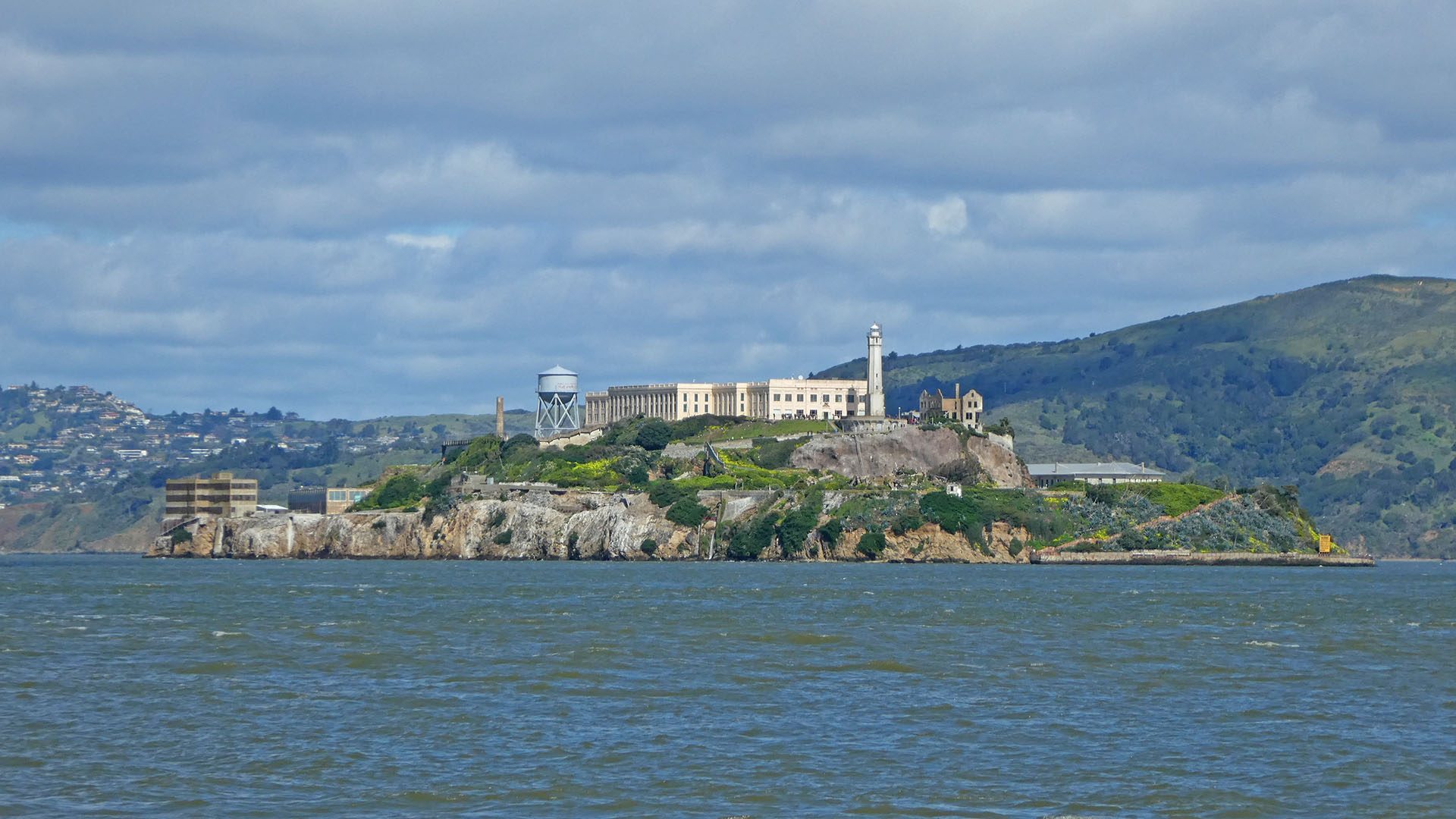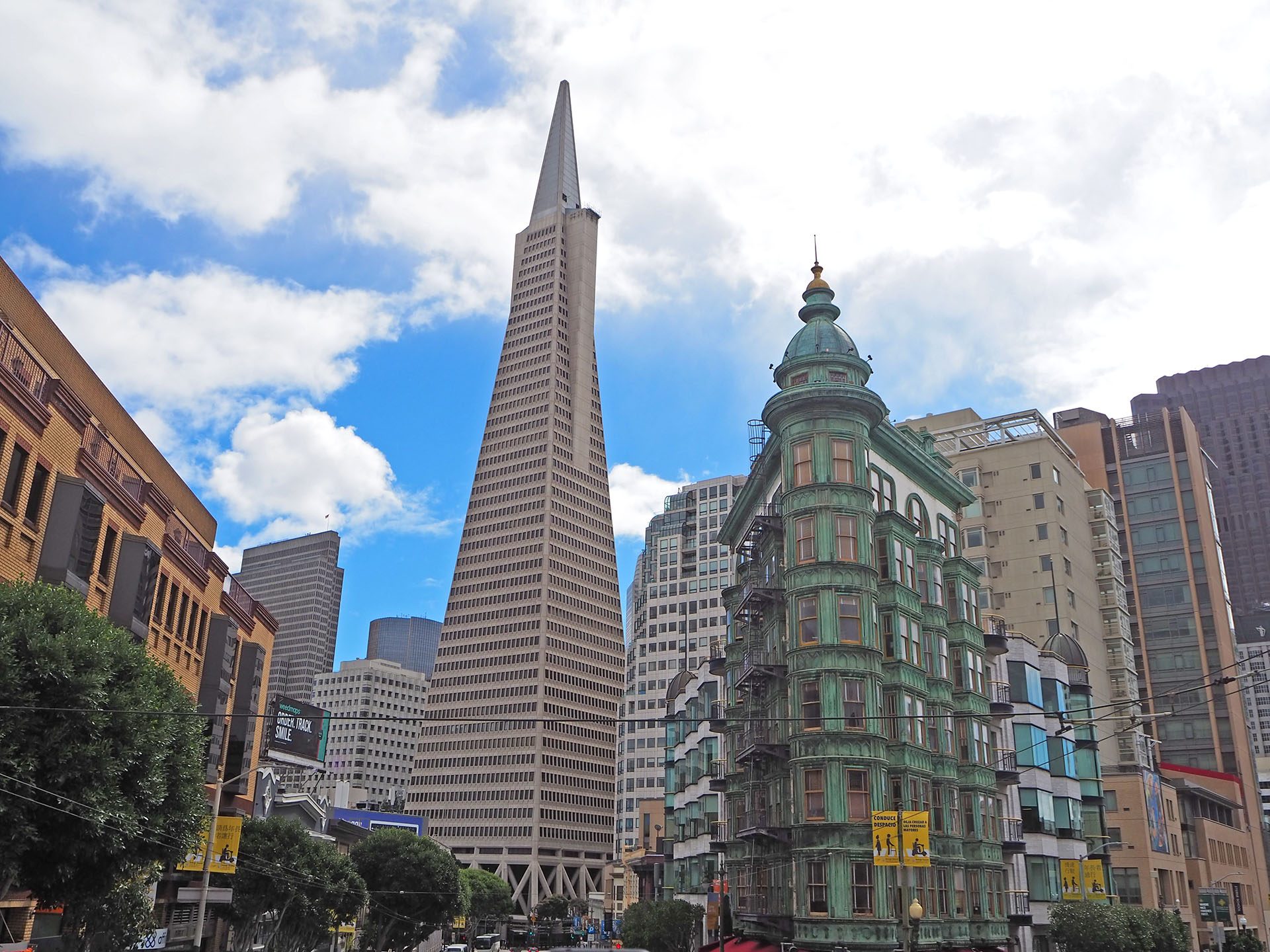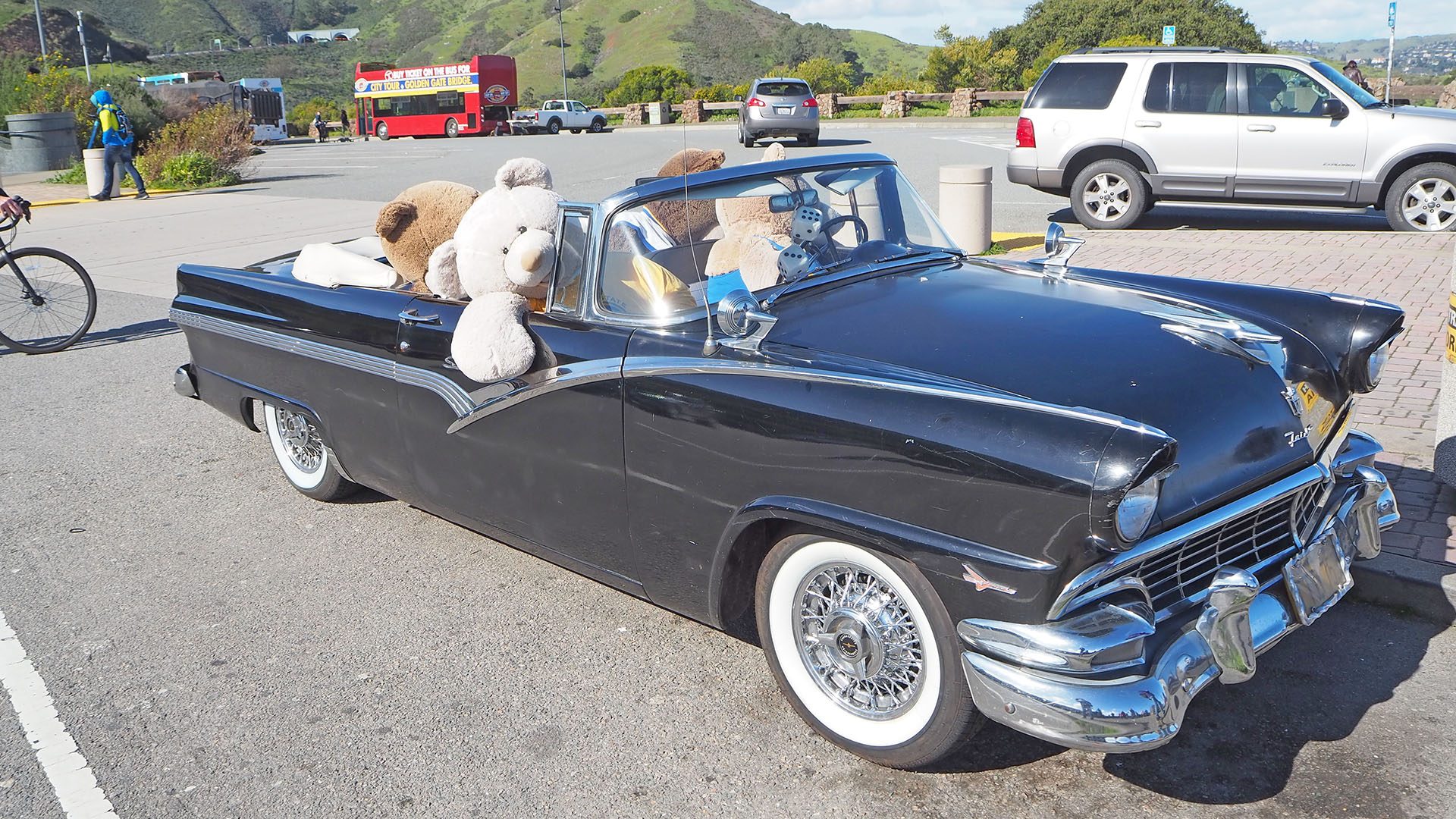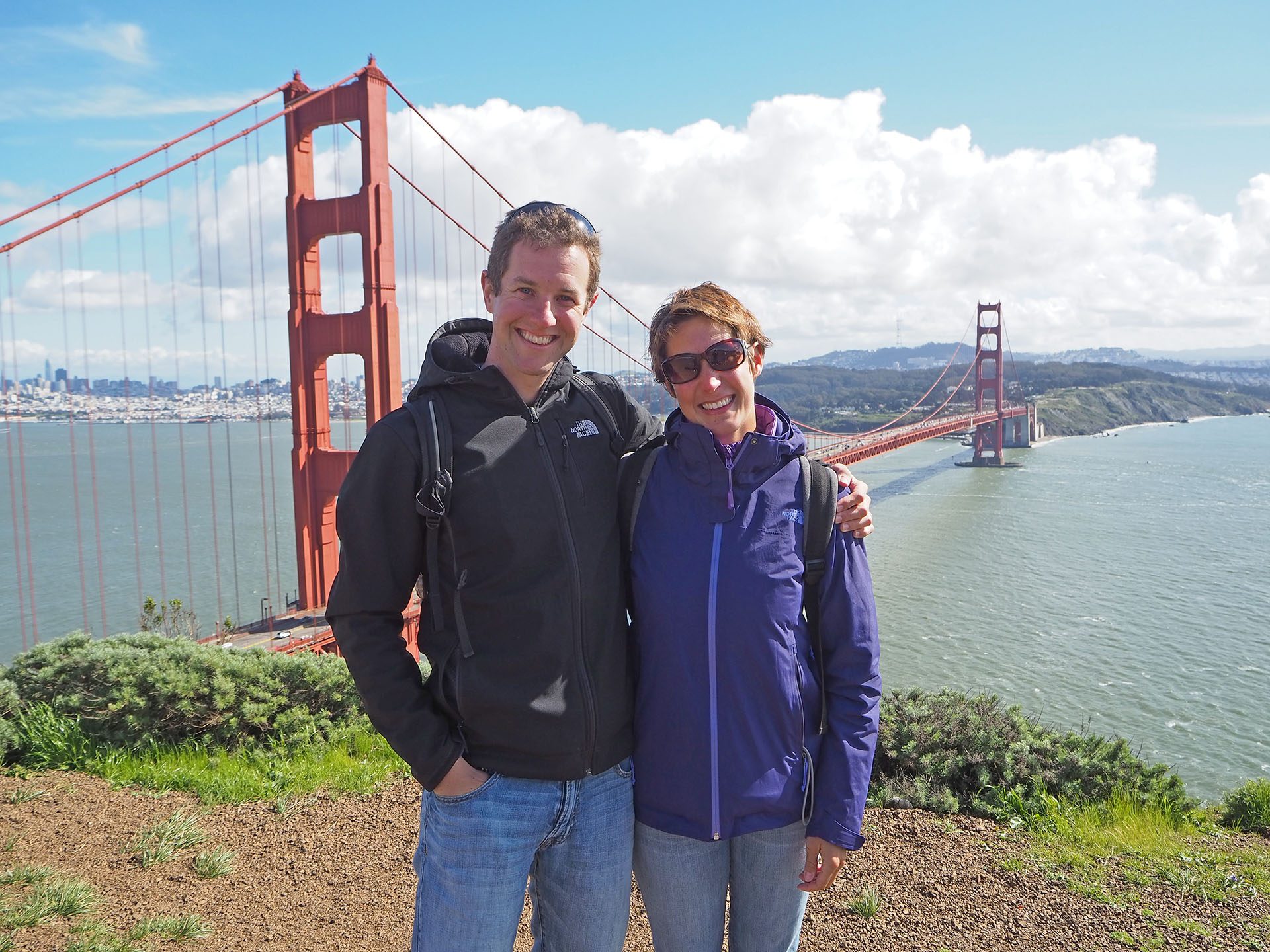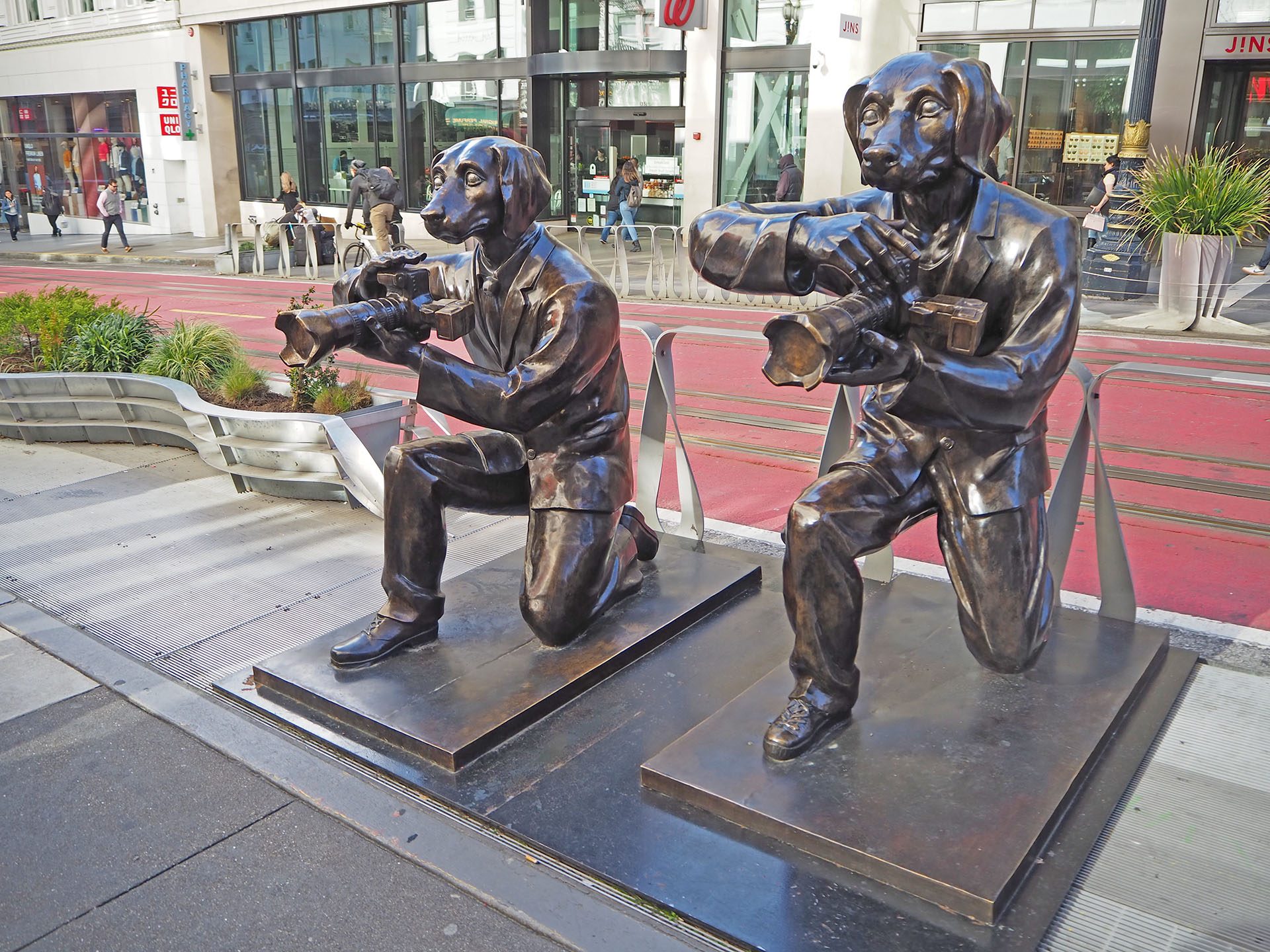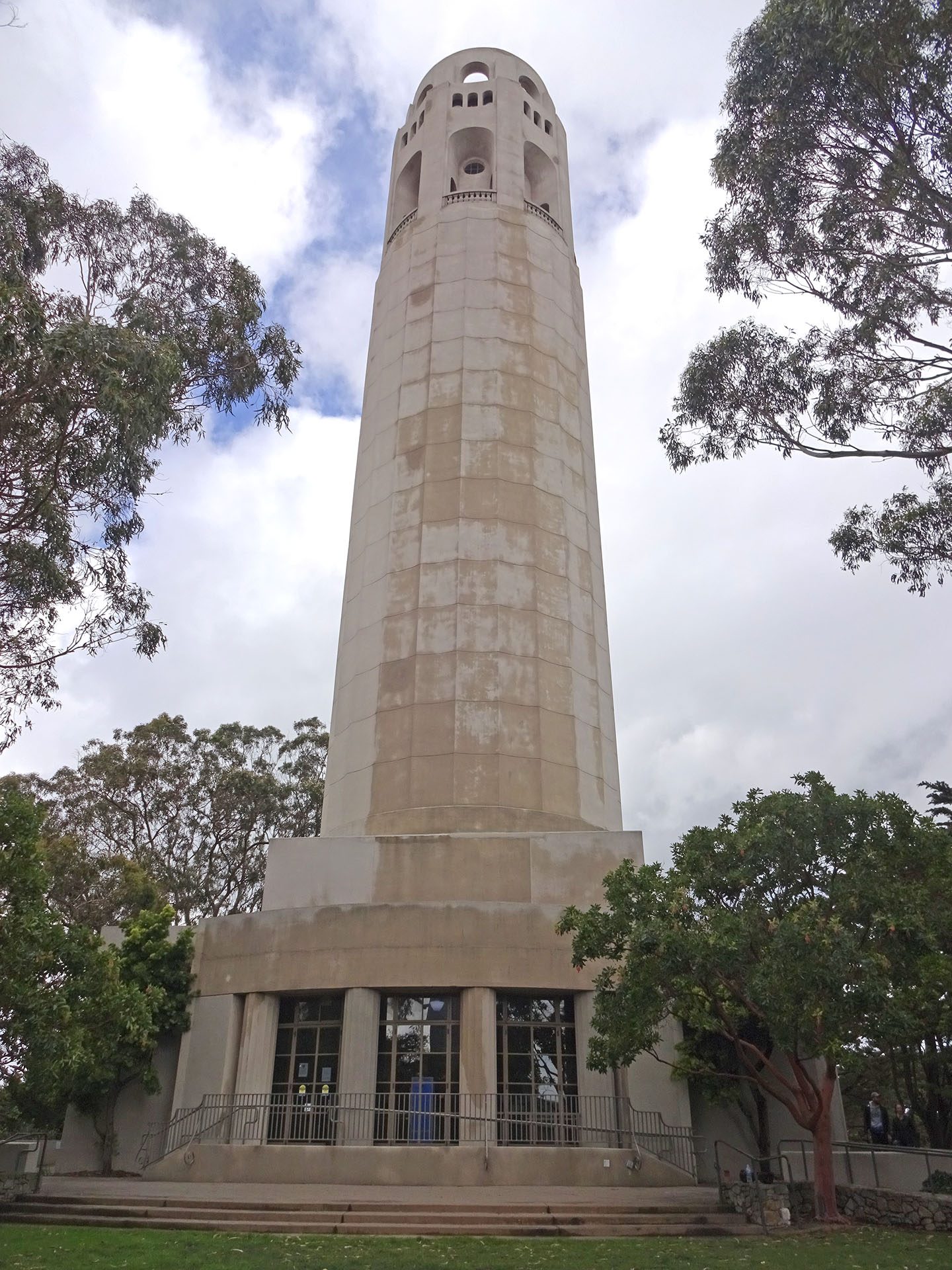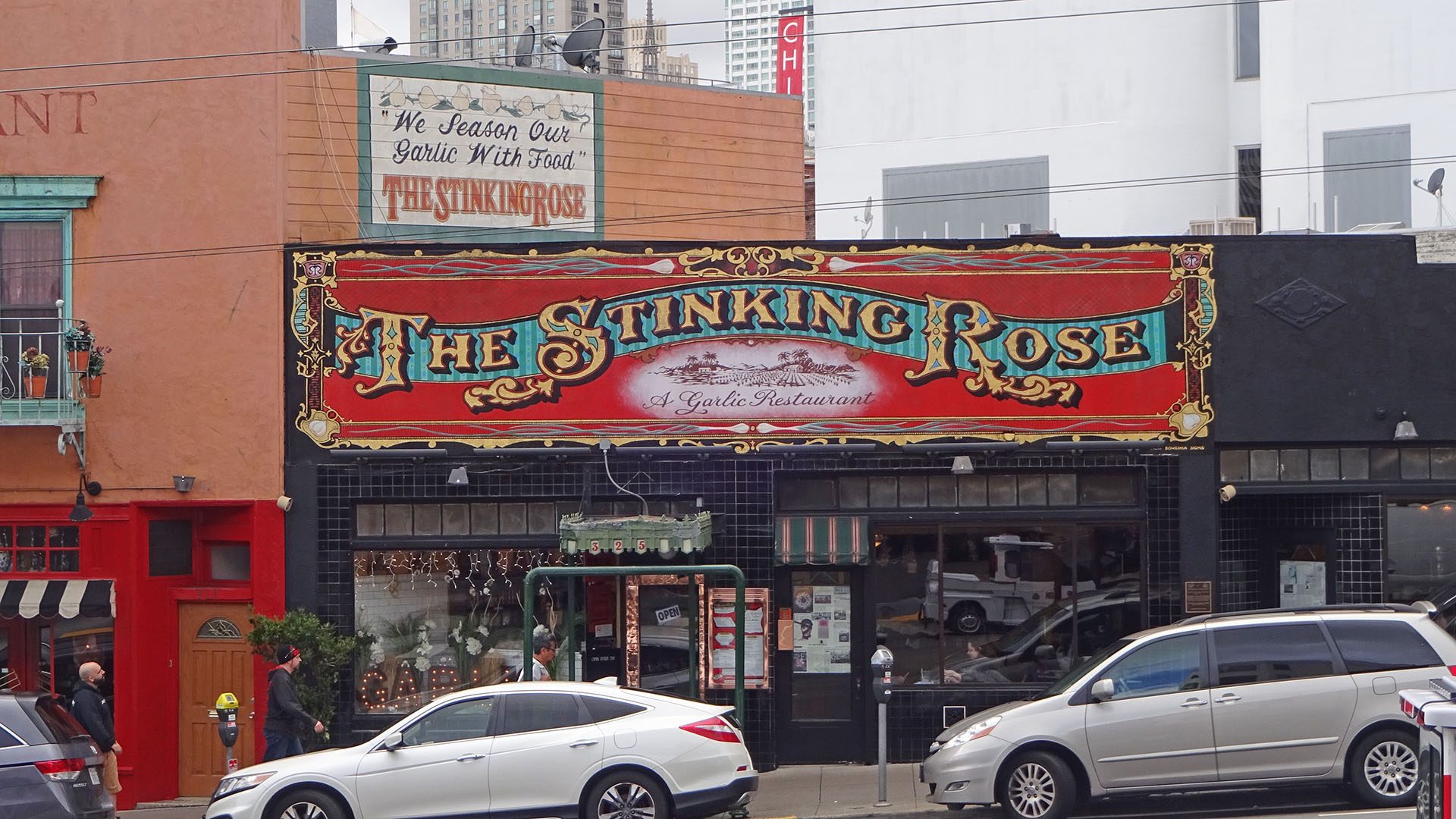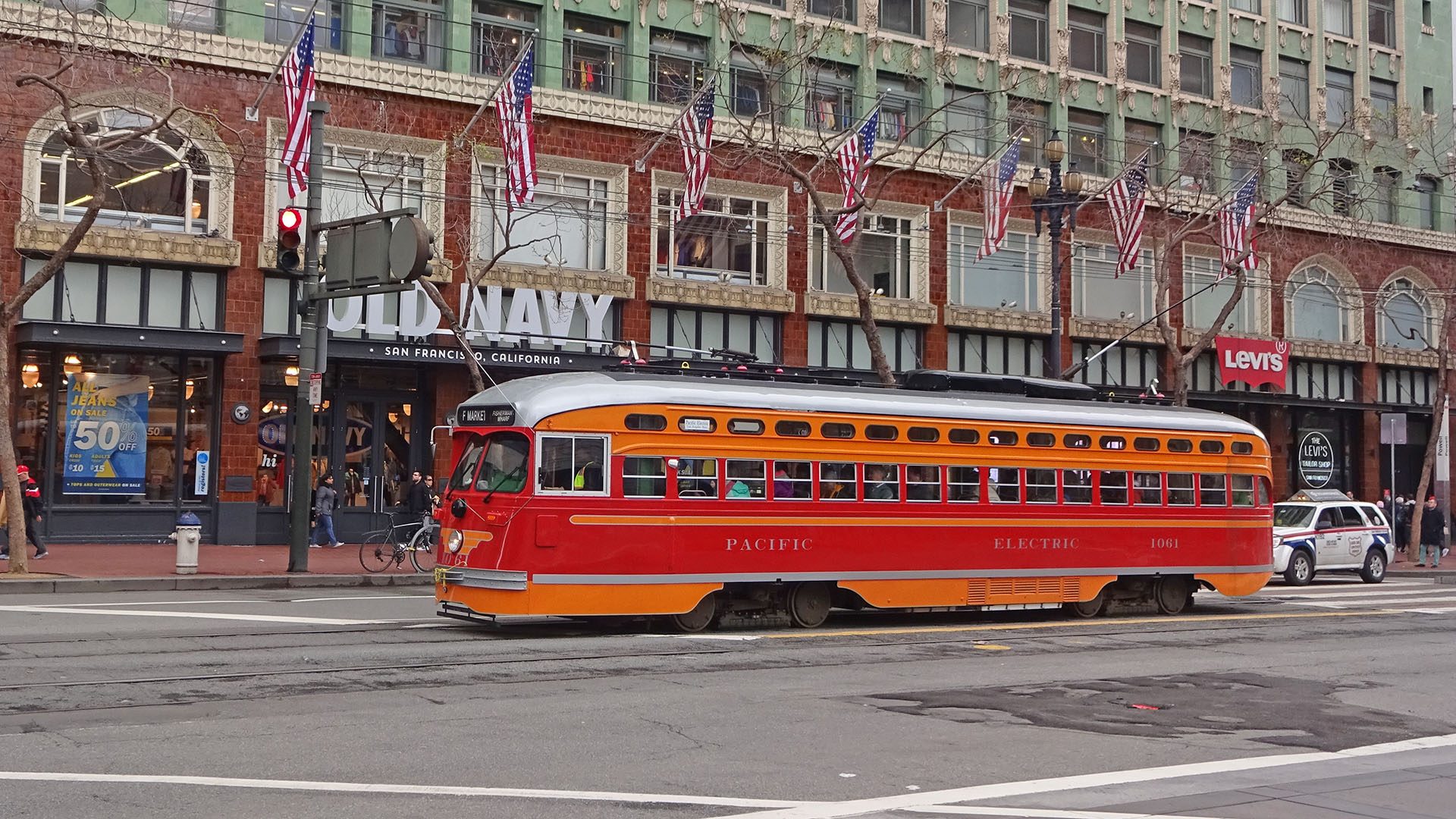
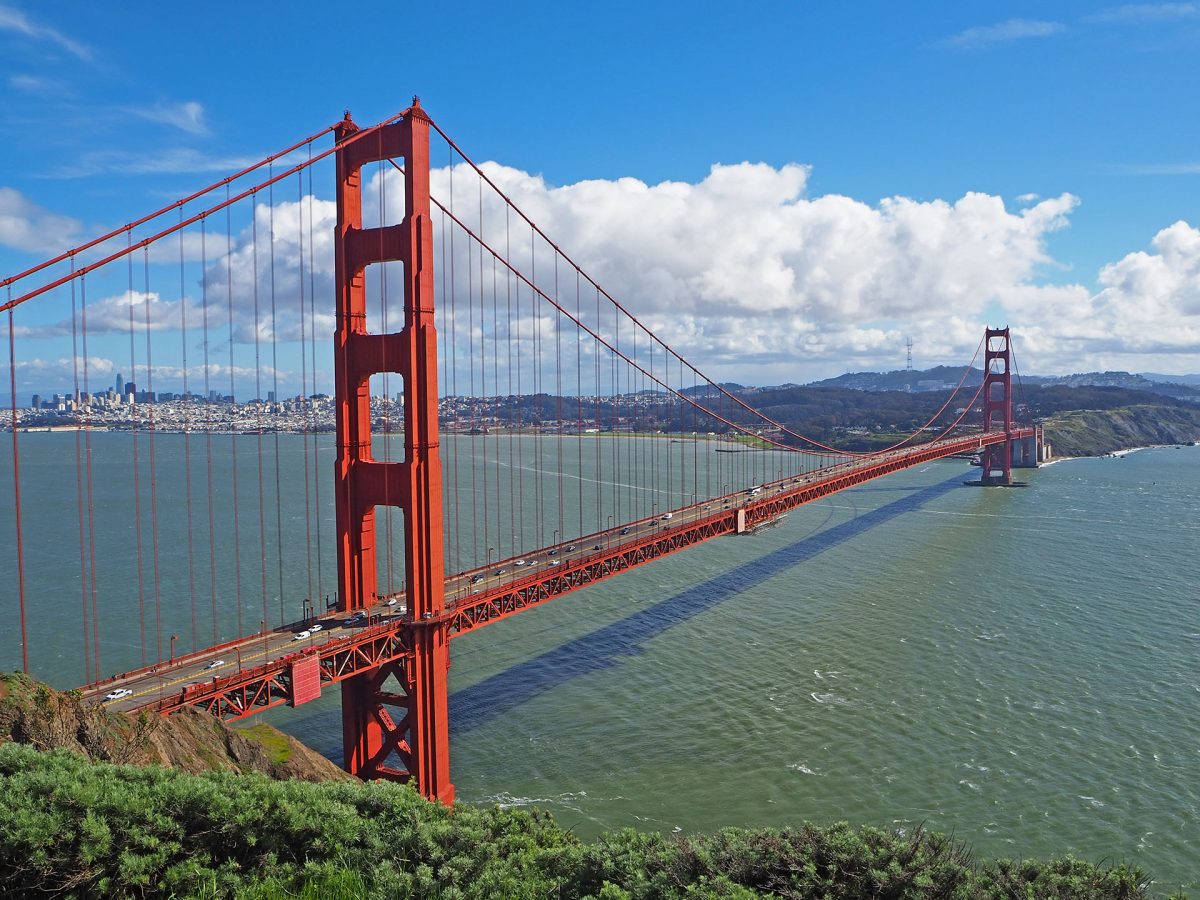
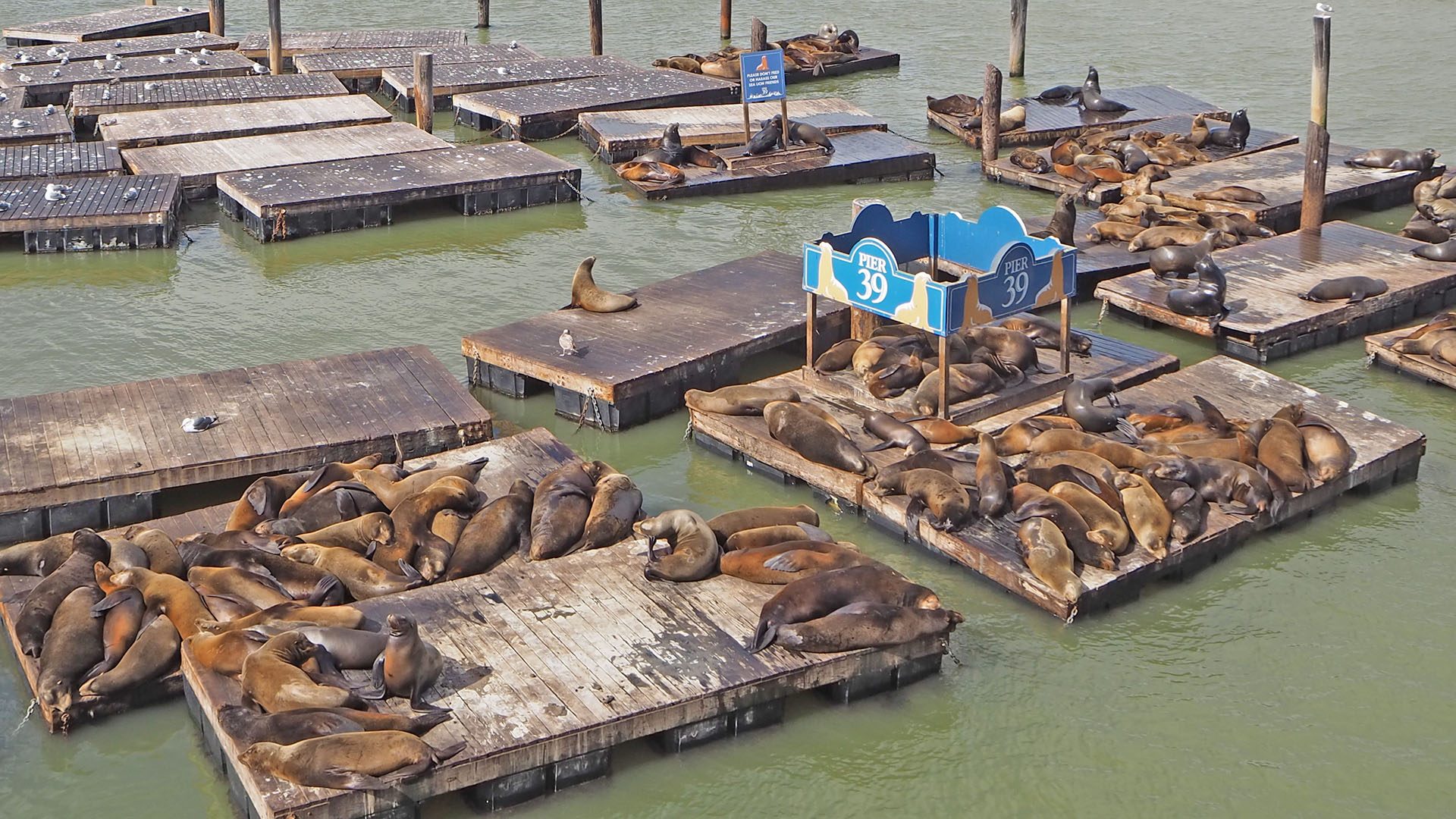
If you’re going to San Francisco… It was our second visit to San Francisco after 2011. As we had done a lot of sightseeing that time already, we didn’t have much pressure to complete any bucket list. We skipped Alcatraz, for example. That means more time for other things, e.g. to go to the other side of the Golden Gate Bridge. Tip: don’t stay at the busy Vista Point (where the hop-on, hop-off buses stop) but walk 15 minutes uphill to Battery Spencer for a much better view.
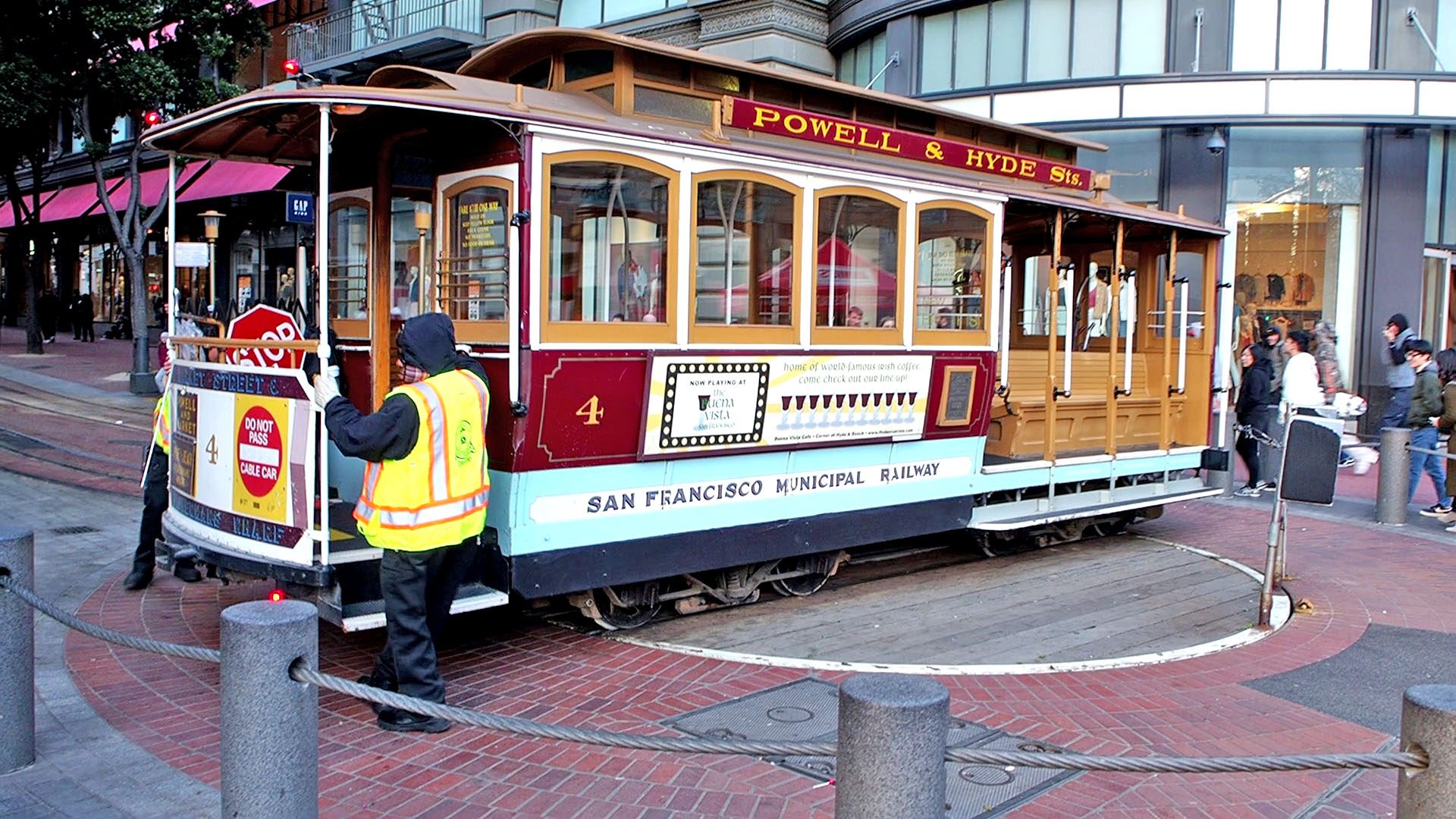
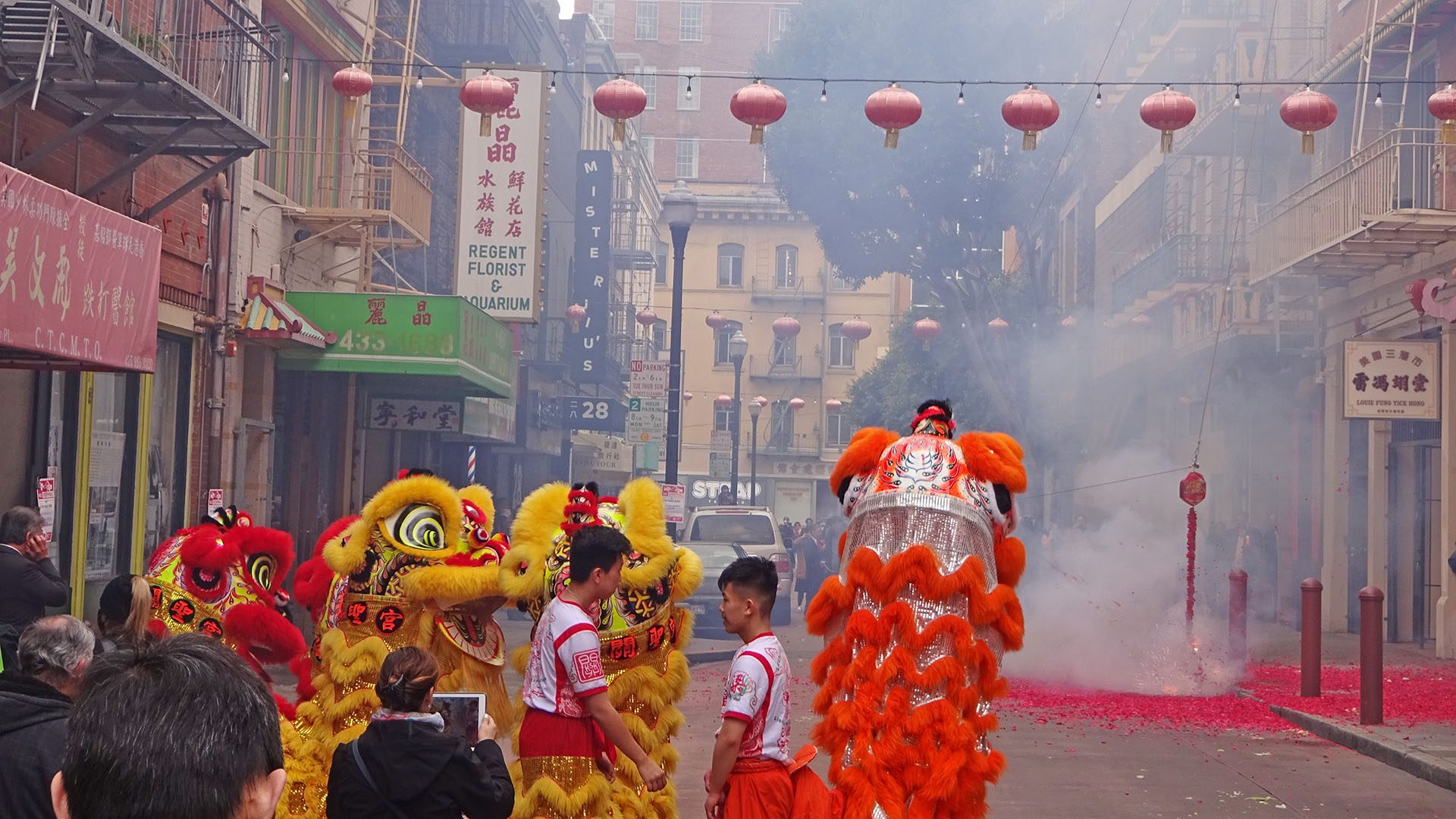
Of course we could still do the famous things like Fisherman’s Wharf, China Town, Telegraph Hill or the Cable Car Turnaround.
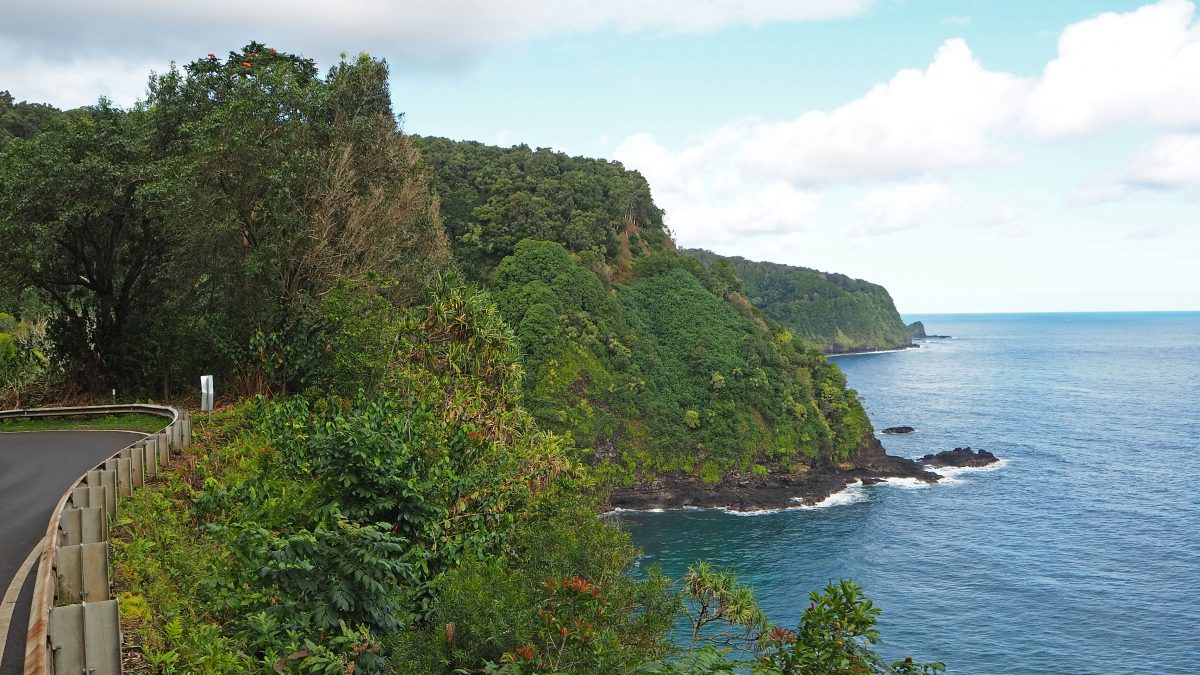
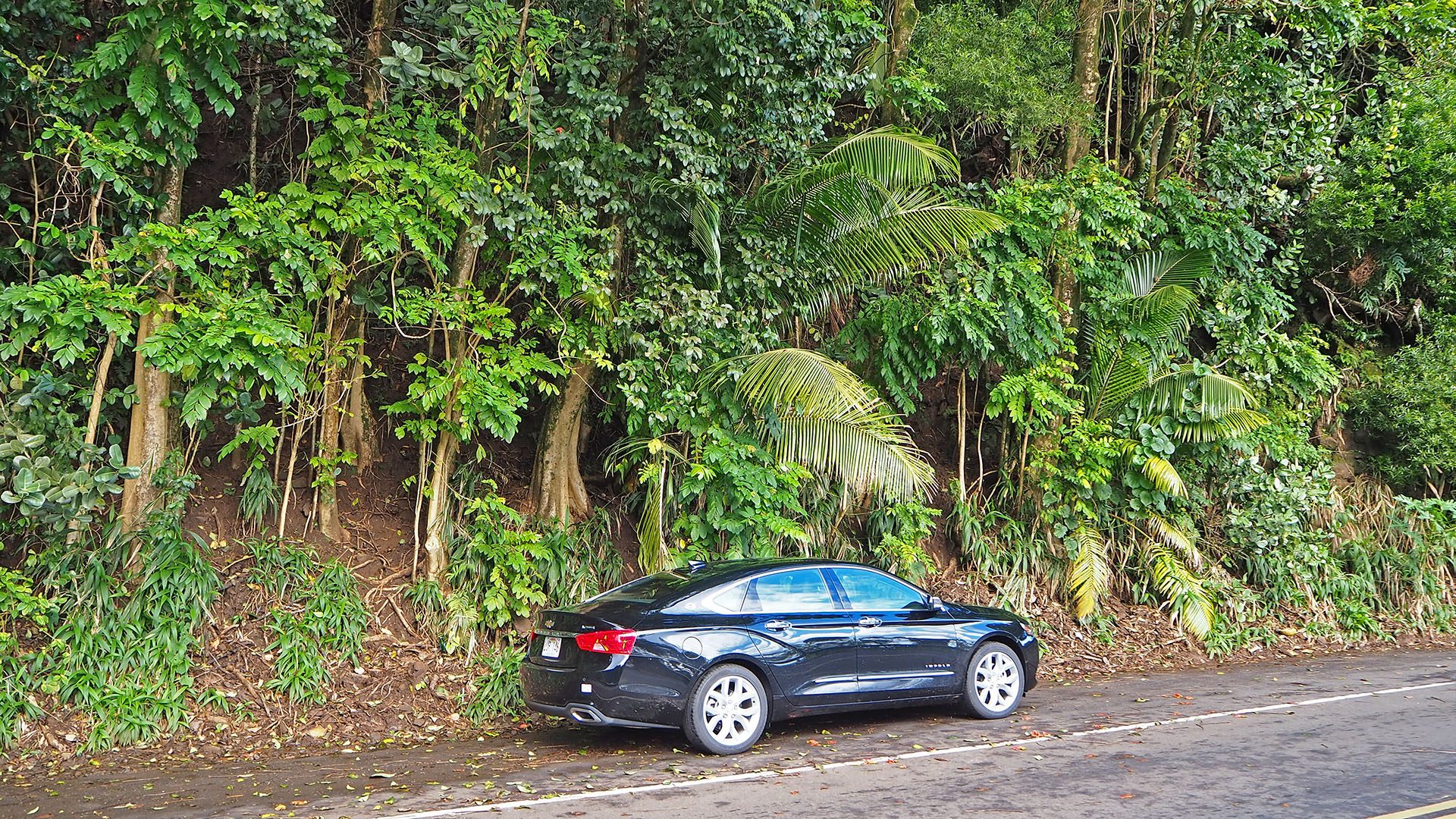
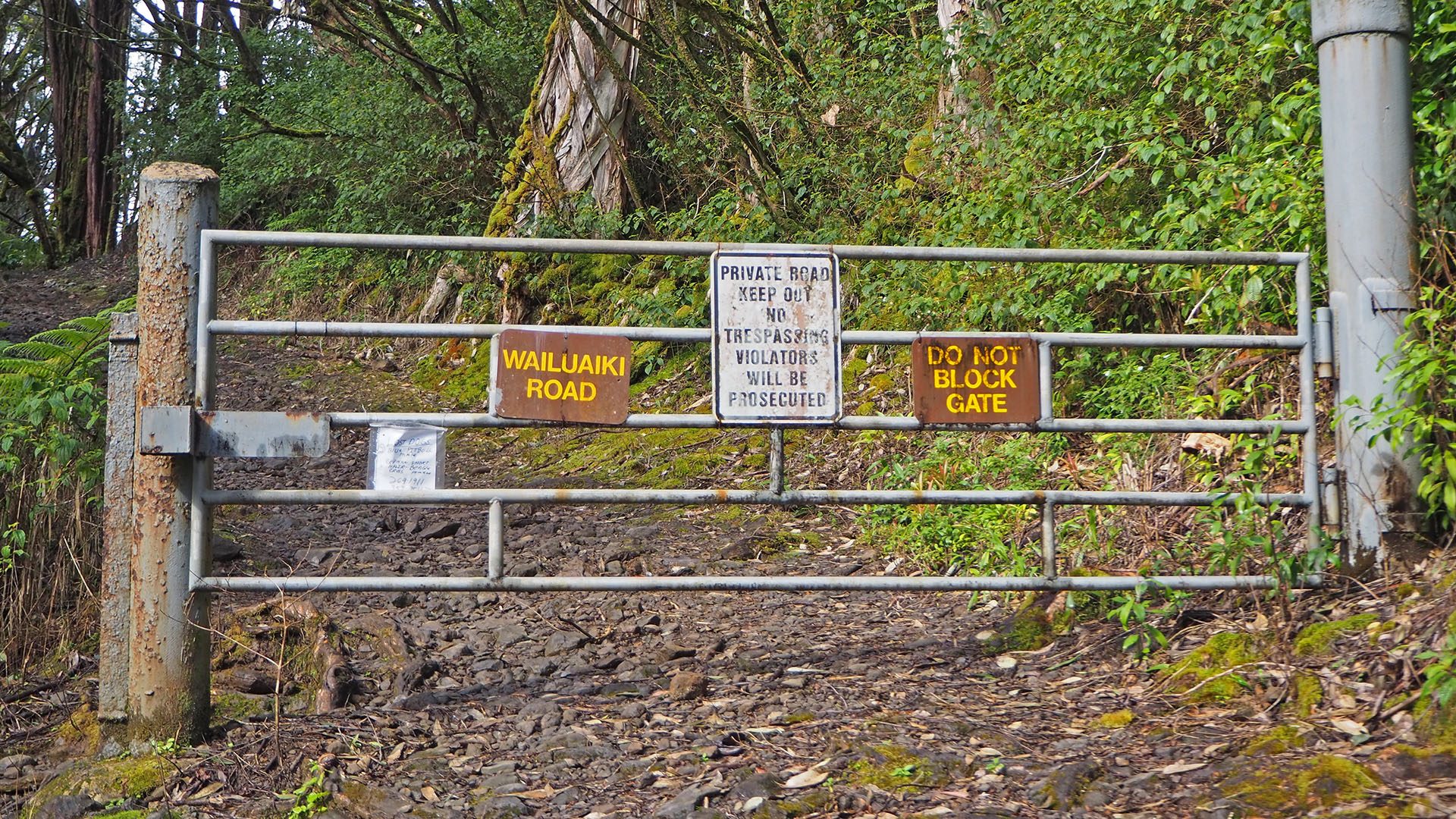
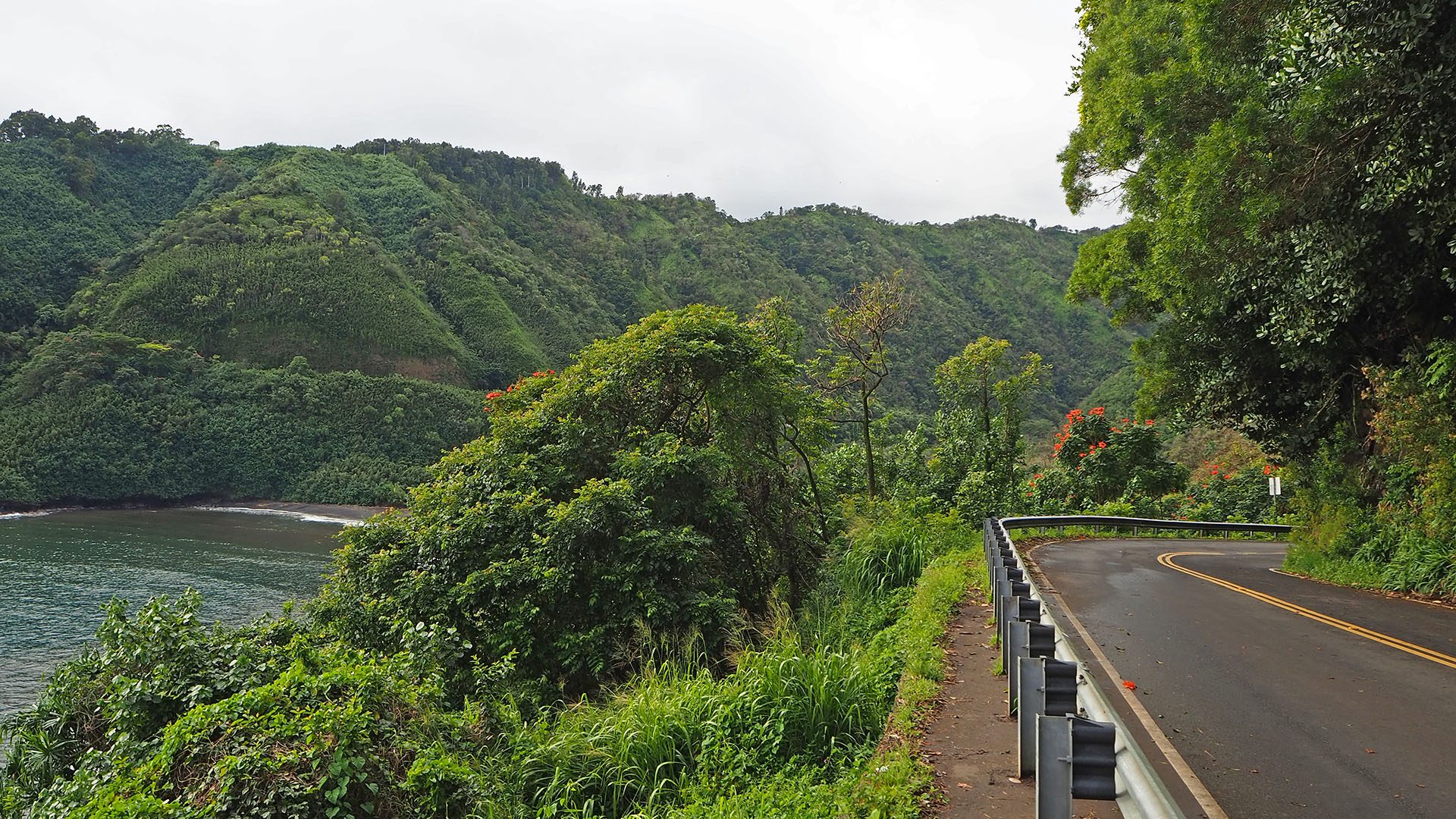
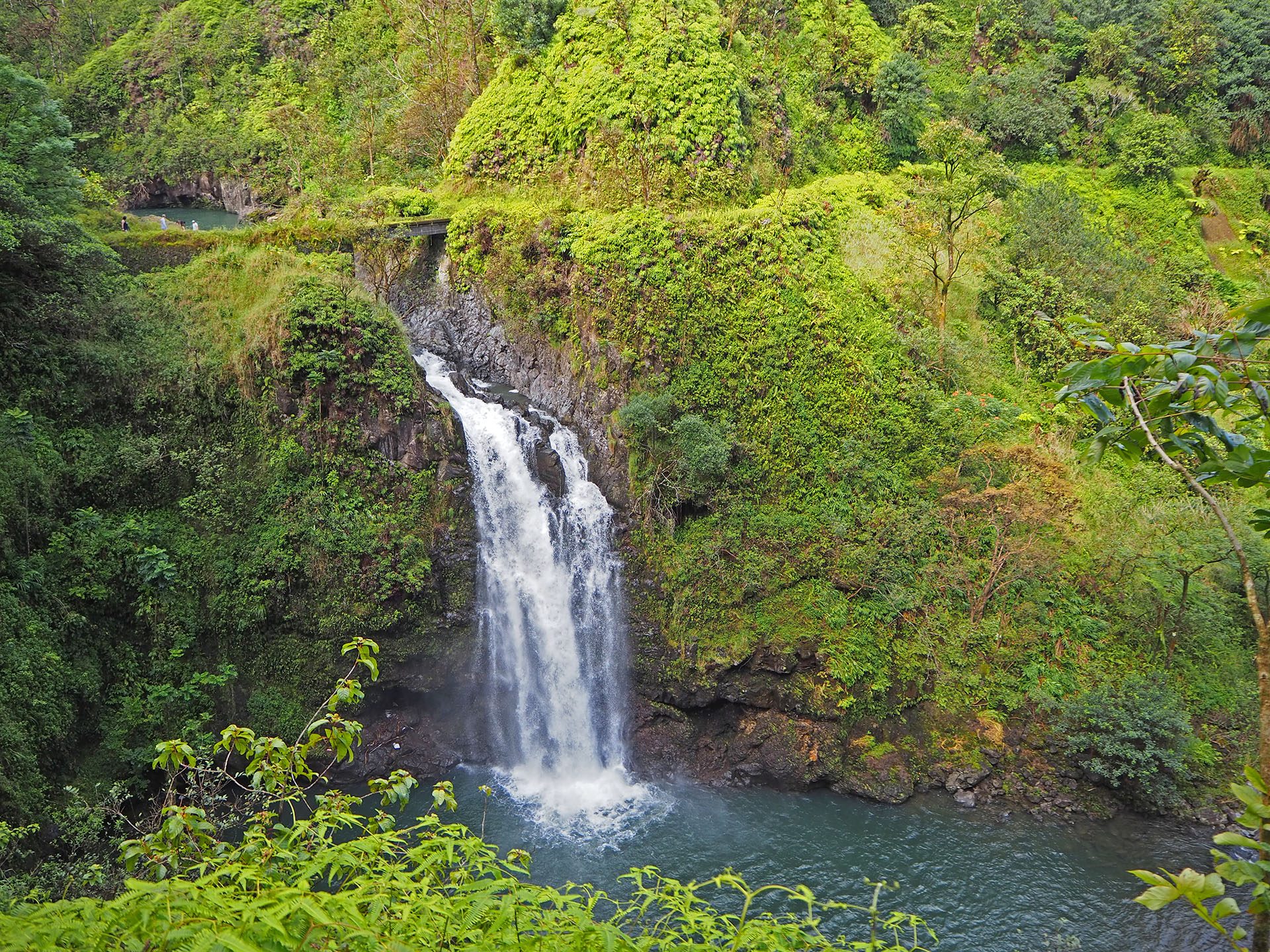
Every guidebook on Hawaii lists the Road to Hana as a must-do on Maui. Usually, they also warn you not to start driving late, so we set our alarms to 6 a.m. Still, we were not the first ones on Hwy 336, which makes things a bit… hectic. The road’s purpose was to connect smaller towns around the island and not to achieve a touristic target. This means: many one-way bridges, hardly stopping / parking possibilities at the points of interest and sometimes dangerous traffic situations. Also, some spots are difficult to catch, even with google maps app running, or they are on private property and are now closed for public.
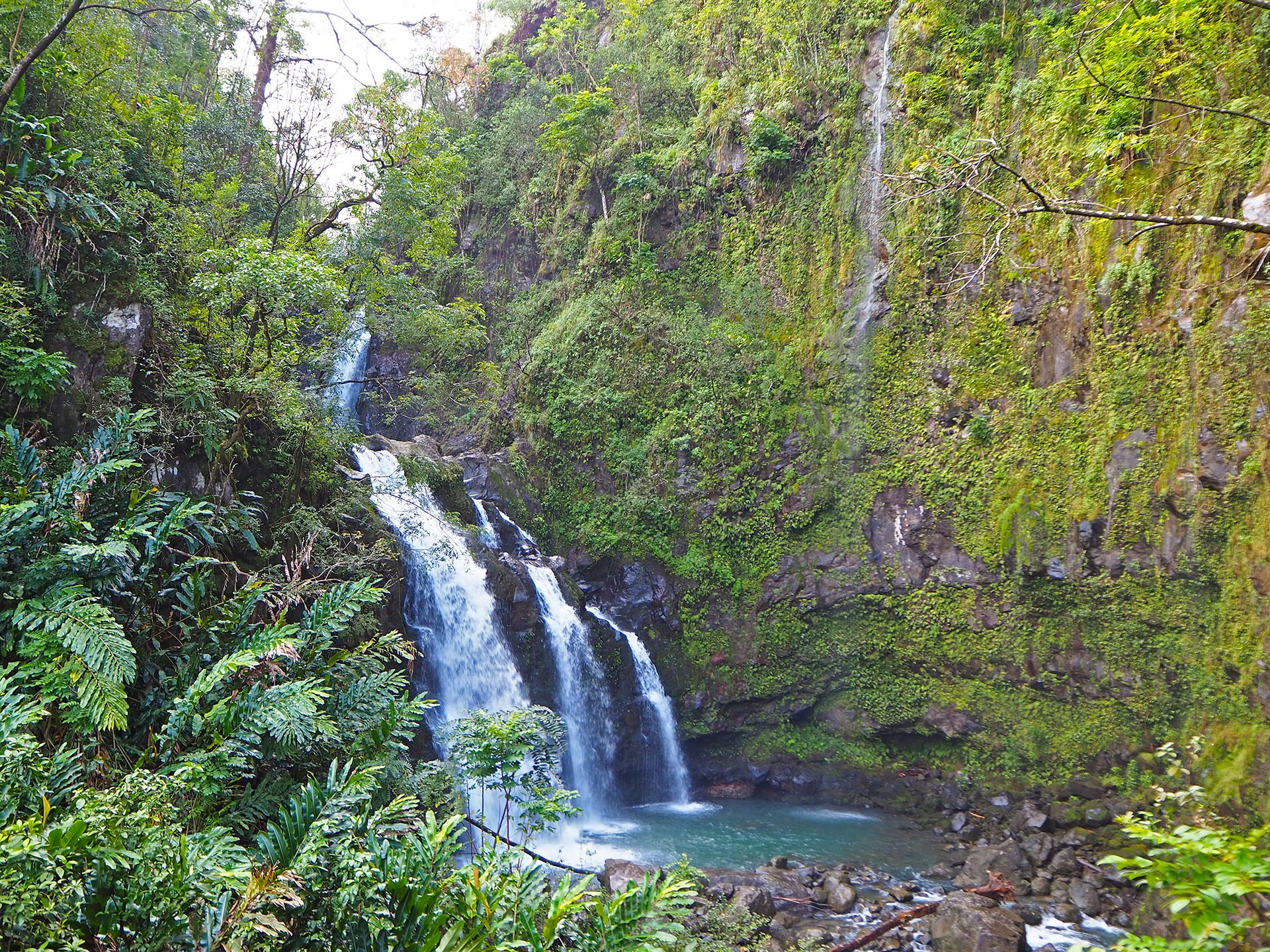
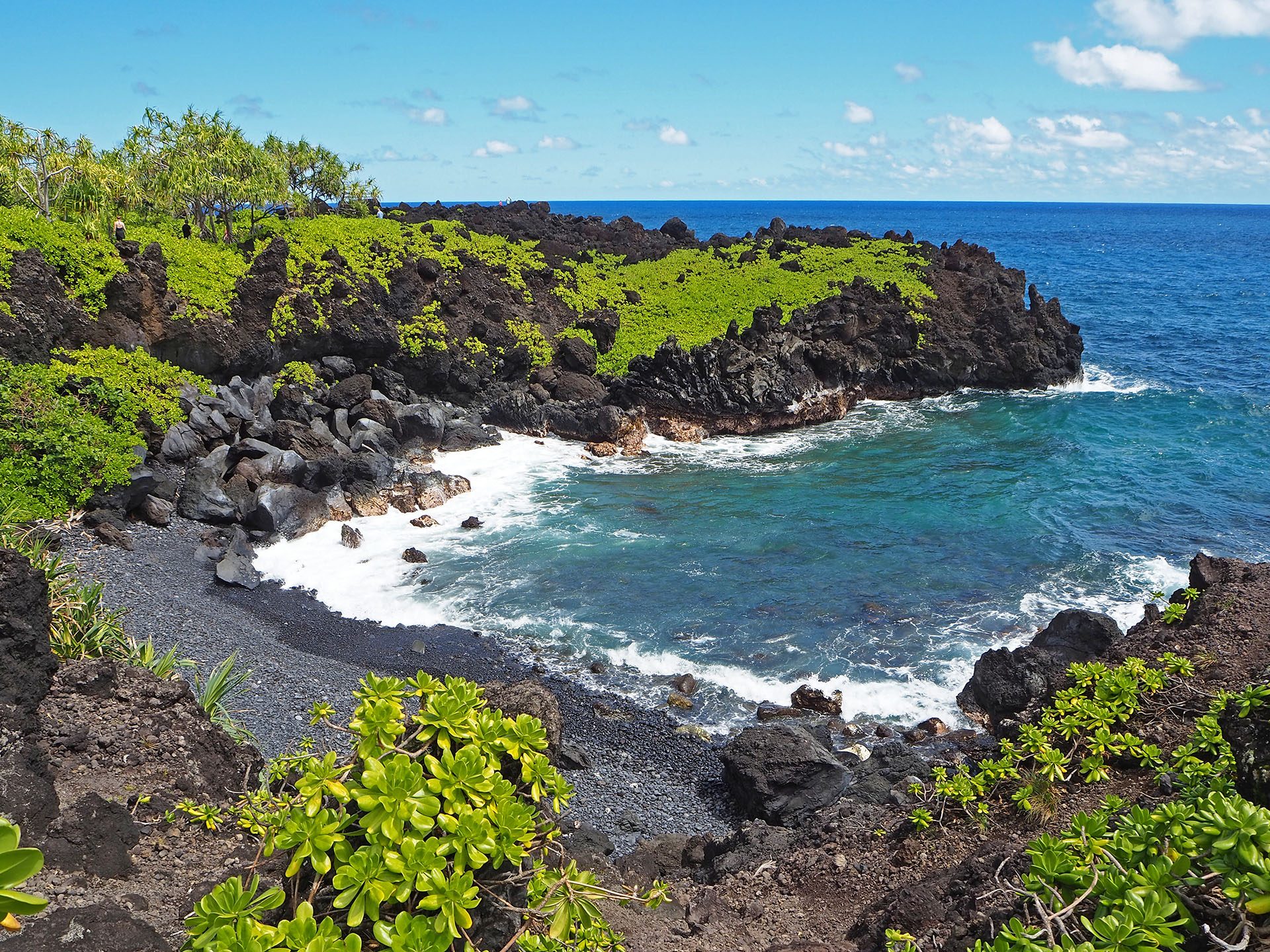
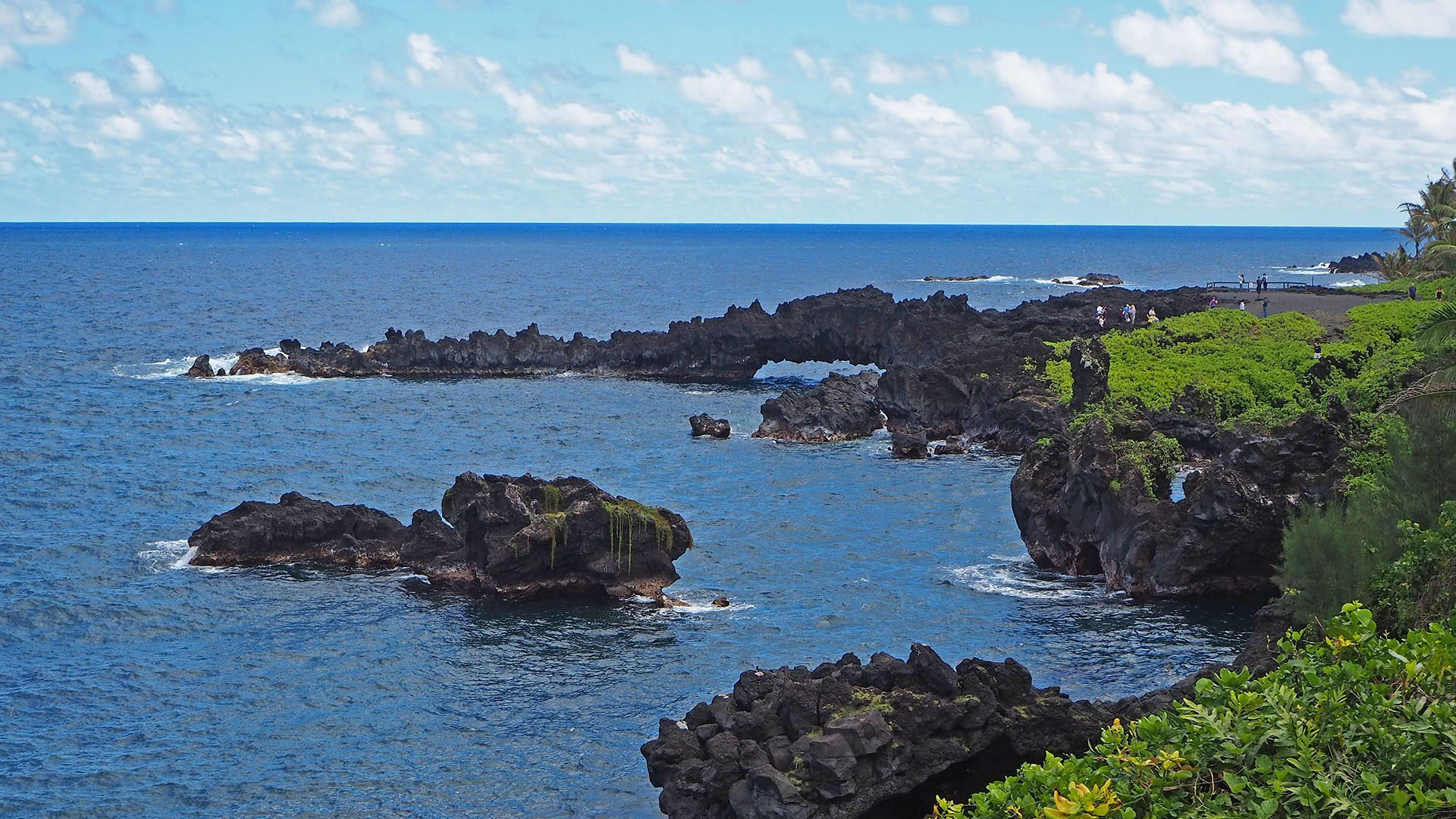
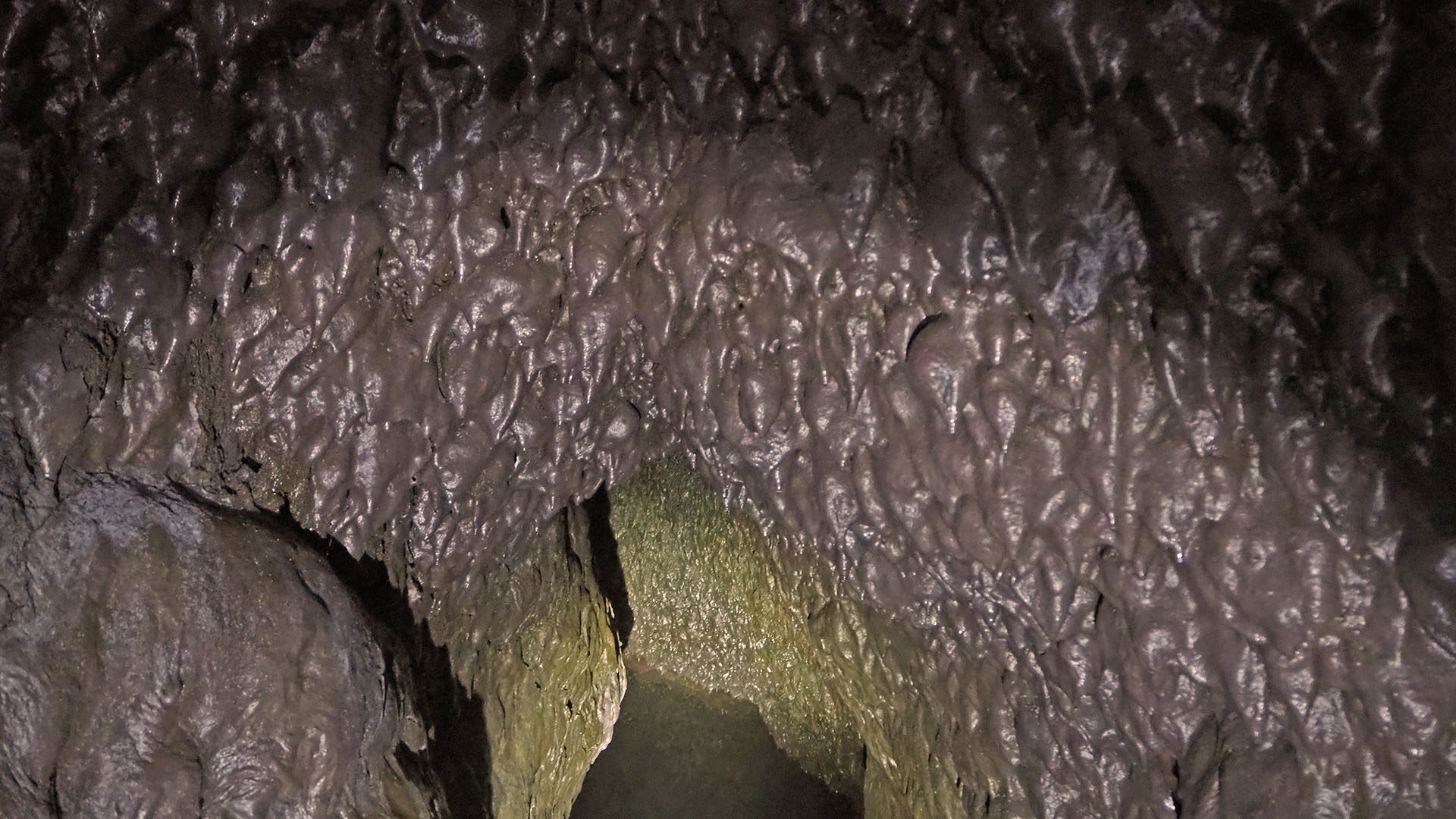
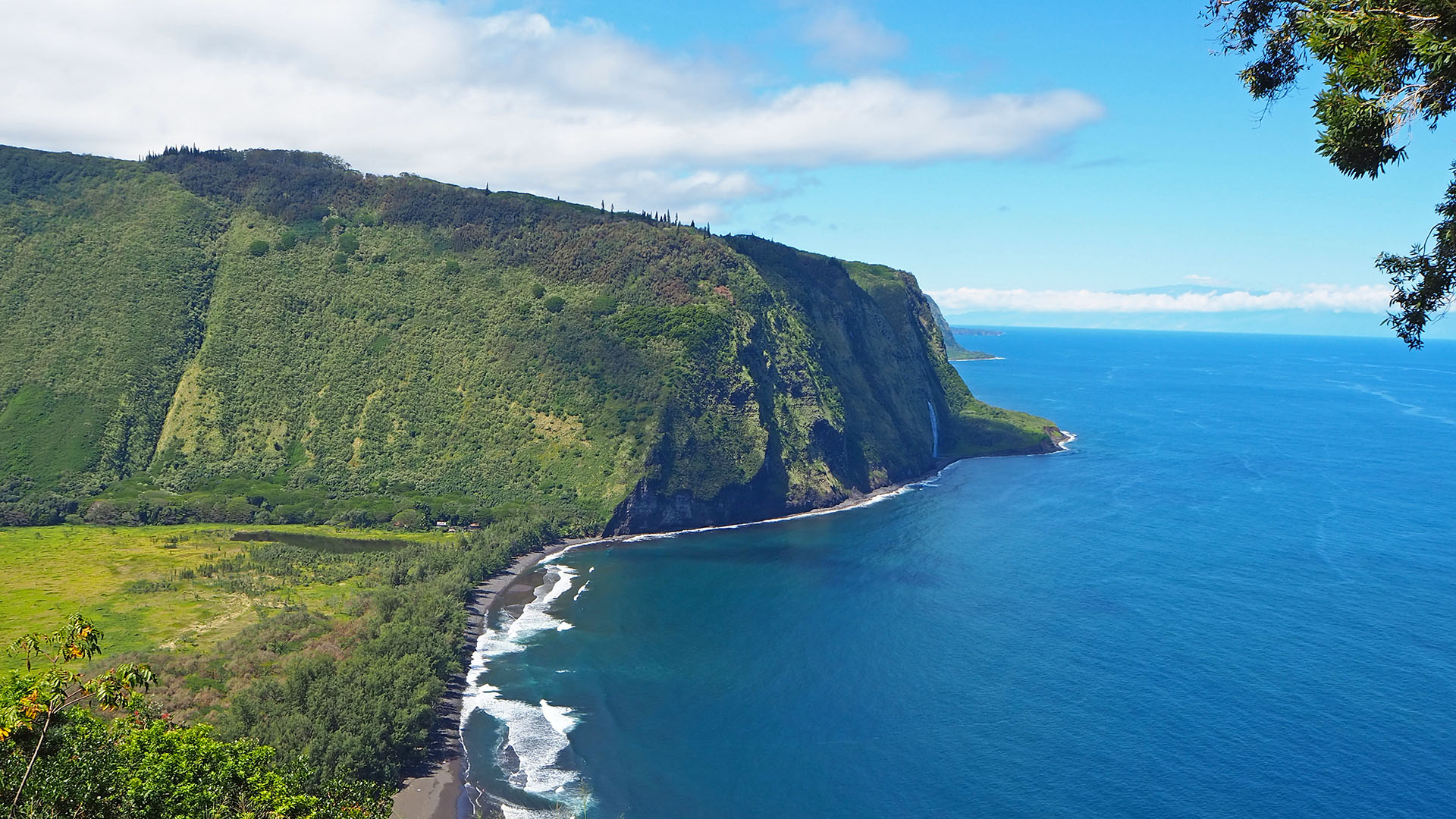
Nevertheless, it was still a joyful ride to Hana and beyond. Waterfalls, rainforest, beaches, lava tubes and valley overlooks – it was worth the time, even though we didn’t even get out of the car in Hana as we gave up finding a convenient parking space.
On the way down from Haleakala we got involved into an accident: a young man waved for help, his mother somehow crashed with her mountain bike into the guardrail and was bleeding quite heavily. We called 911 immediately and assisted where we could. Luckily, we could verify soon that her injuries were not critical and after the ambulance had arrived, we could leave. An uncomfortable event nevertheless.
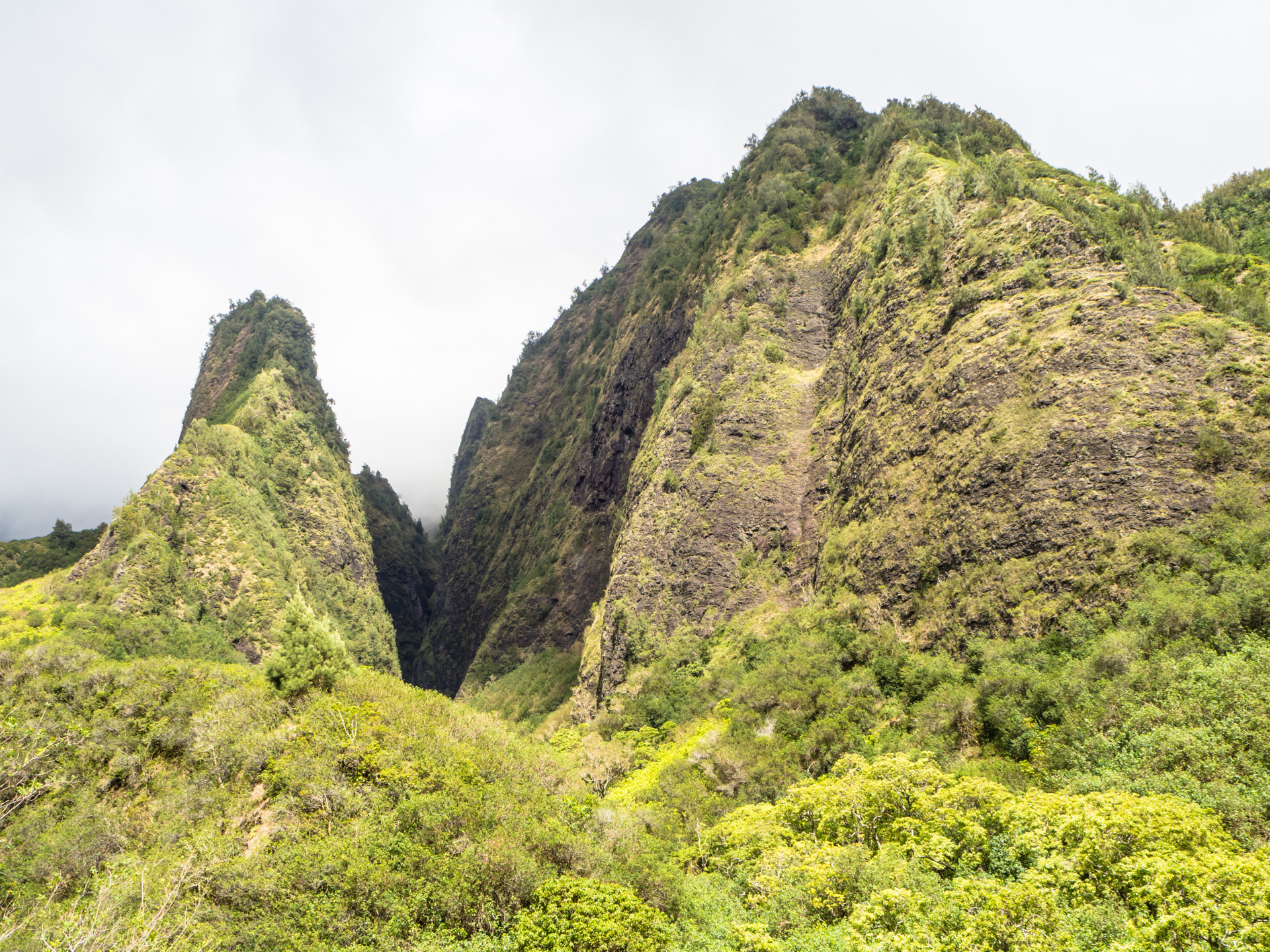
Much less action could be expected from the Iao Valley State Park, mostly known for the Iao Needle, a 370 m lava remnant. There used to be hiking trails, but as they were on private ground and according to US law land owners can be sued in case of an accident they have been closed.
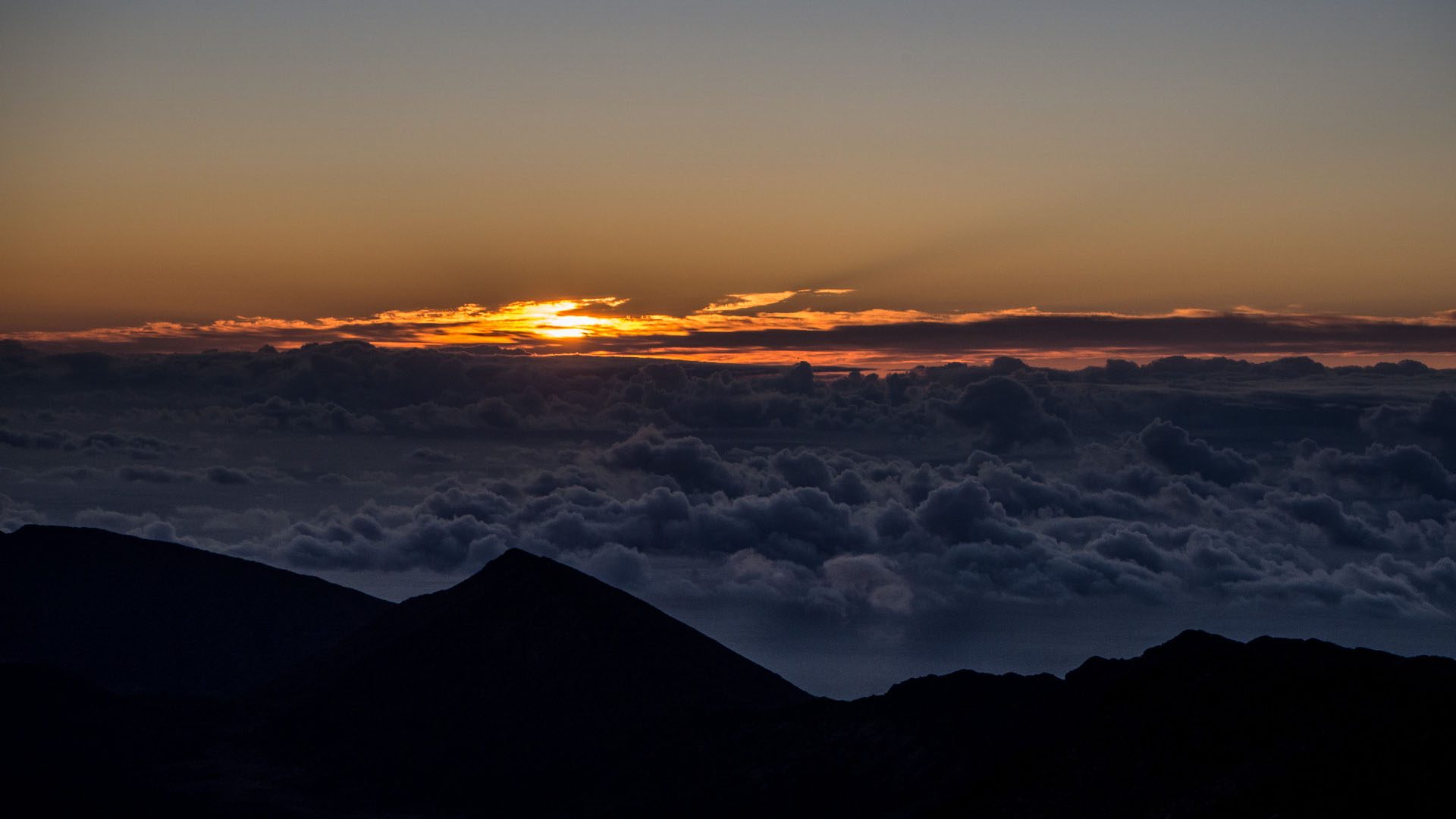
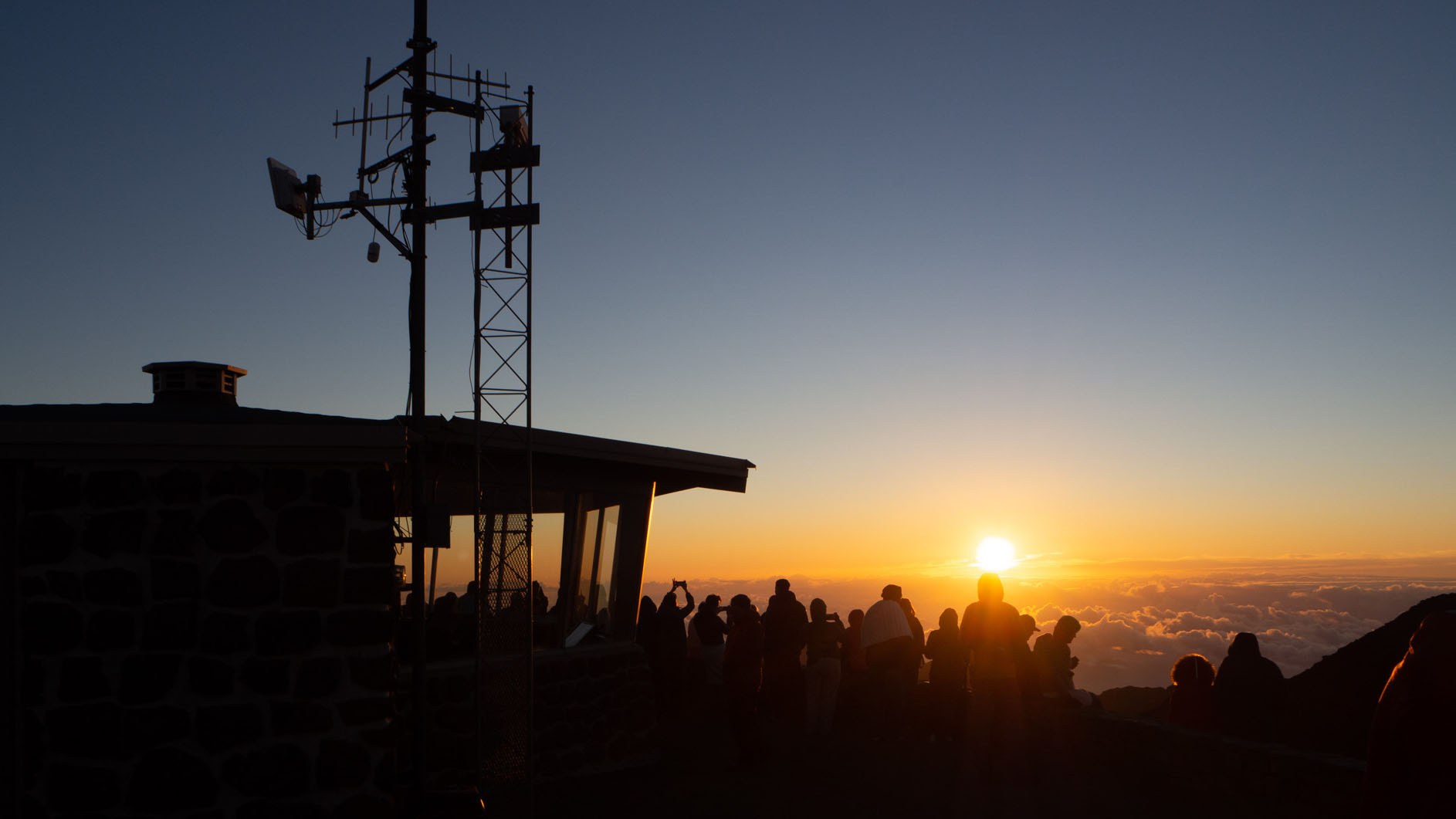
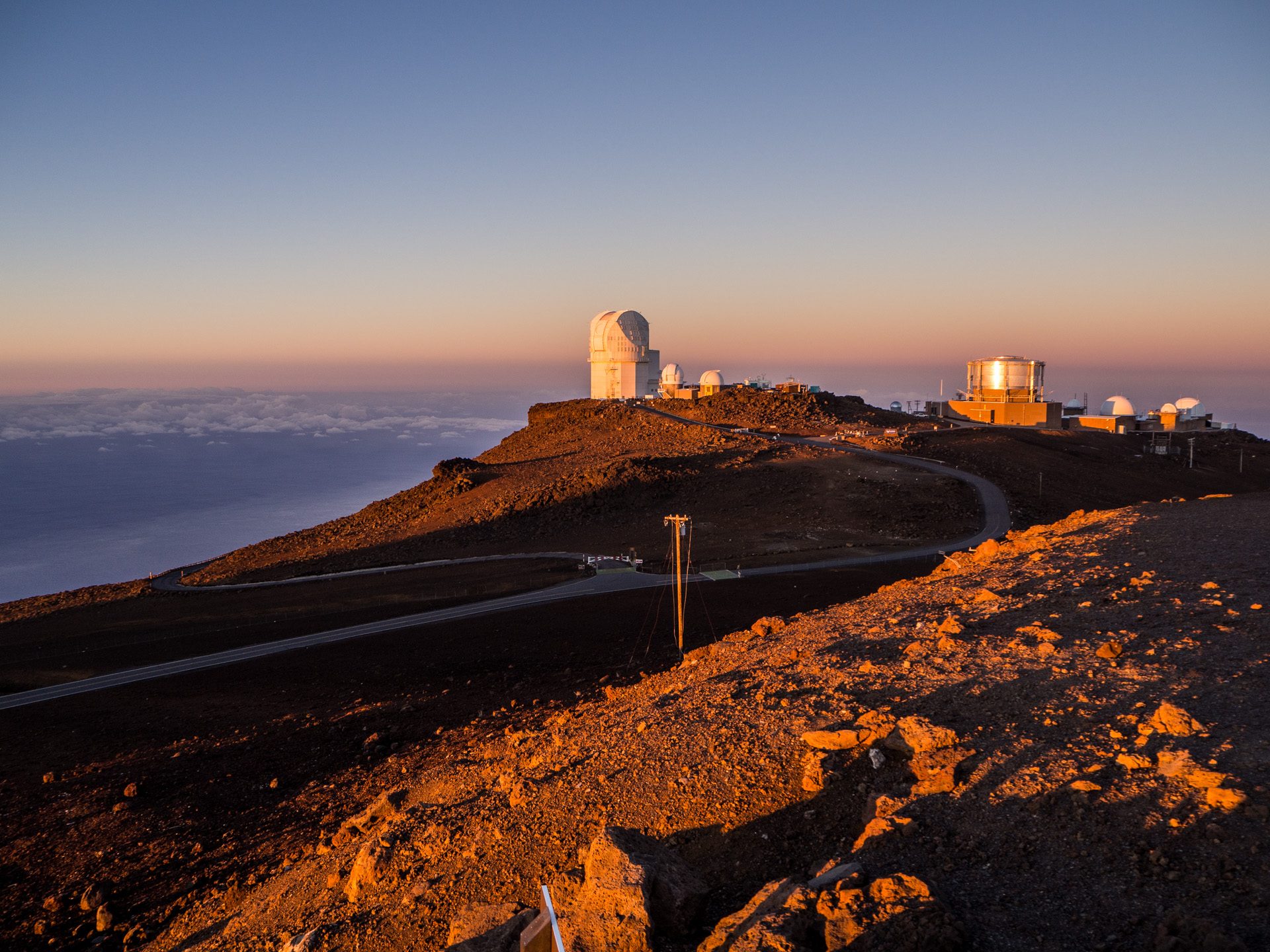
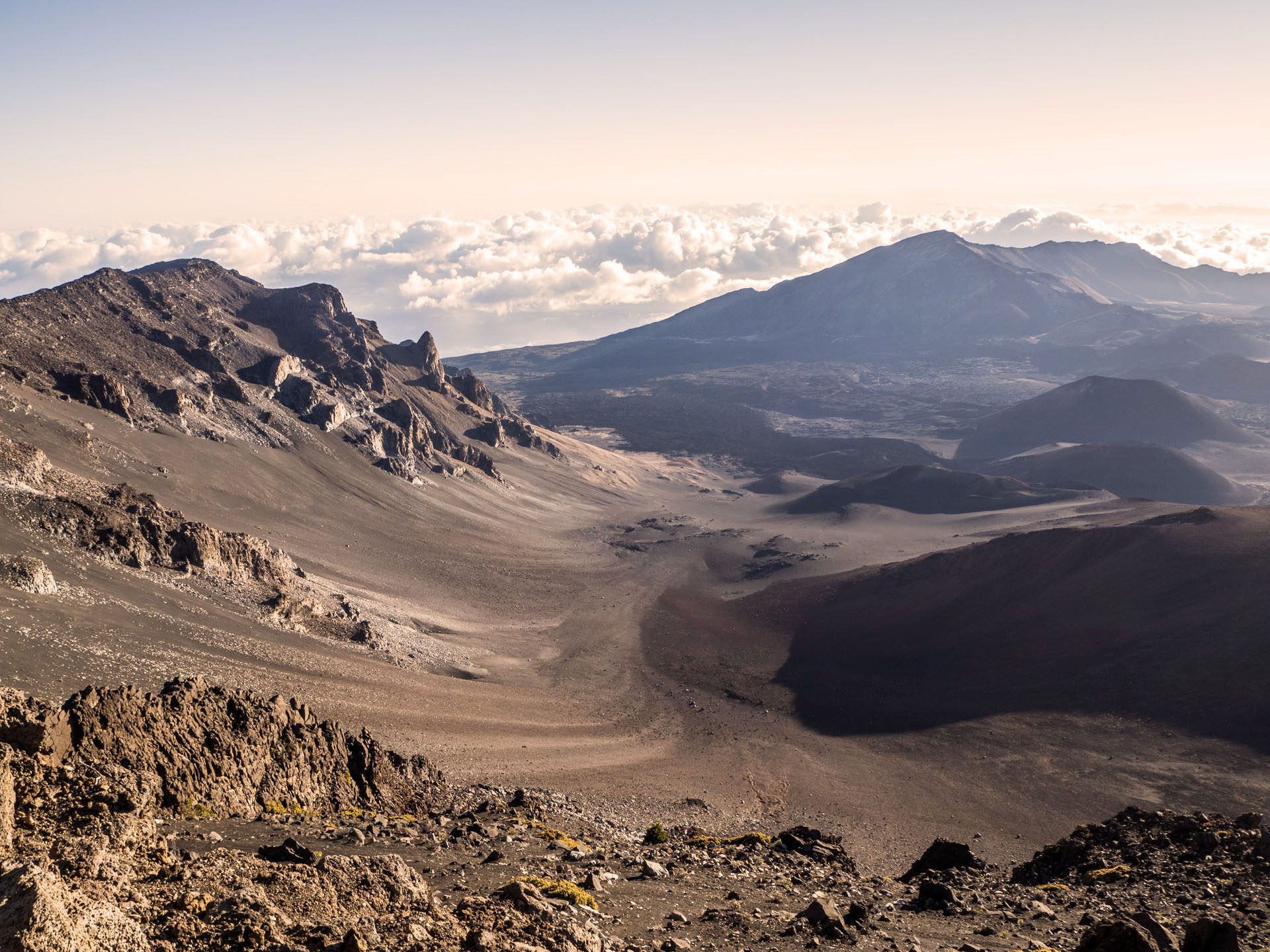
Sunrise on Haleakalā has become so famous that crowds were fighting for a few parking slots on the summit of the volcano. Nowadays access to the summit between 3 and 7 A.M. has been limited. Fortunately, we got one of the few last-minute registrations two days ago. It didn’t change the fact that you need to get up early for the sunrise: we set our alarms to 3 A.M. and reached the summit at around 5 o’clock.
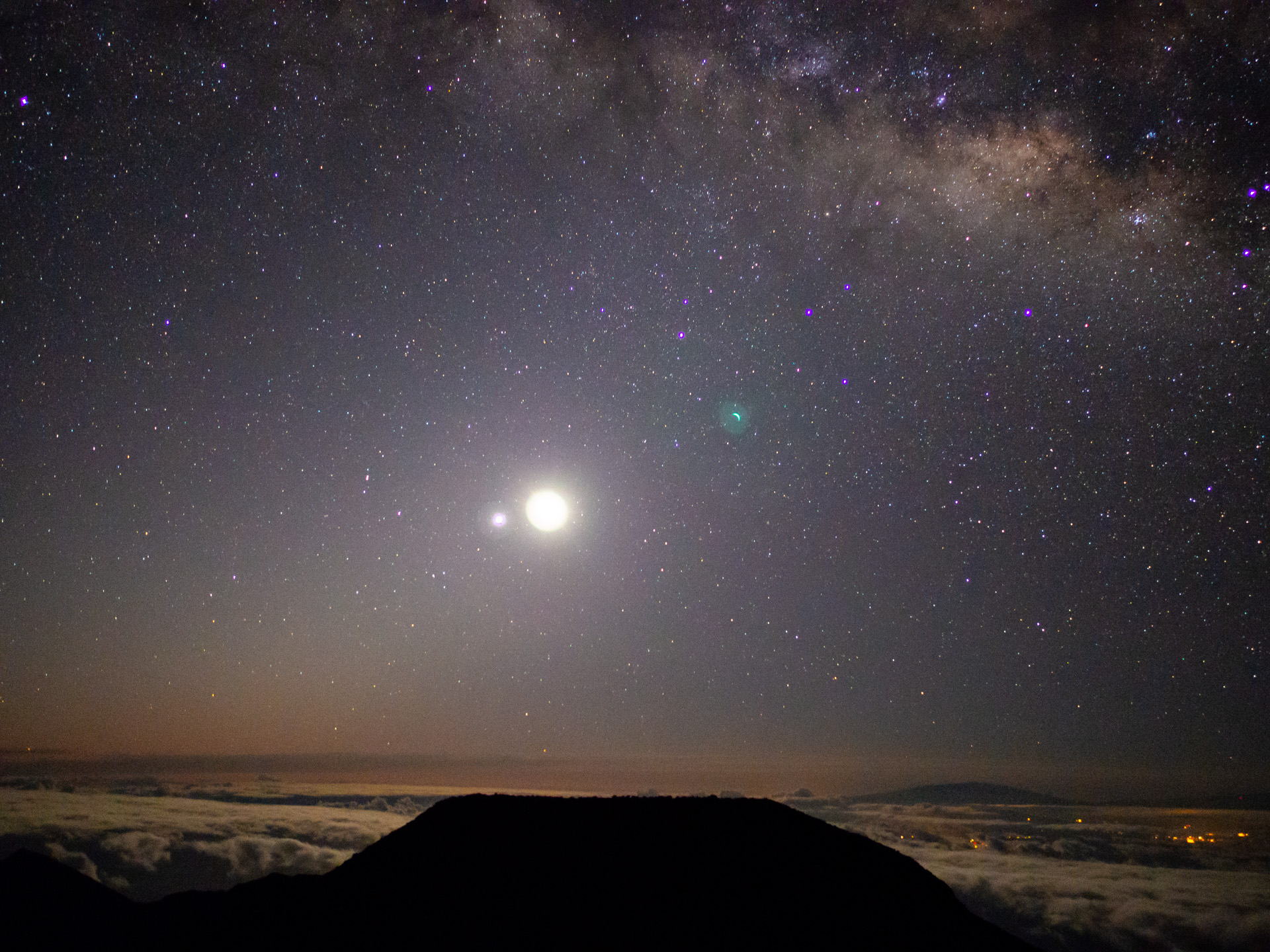
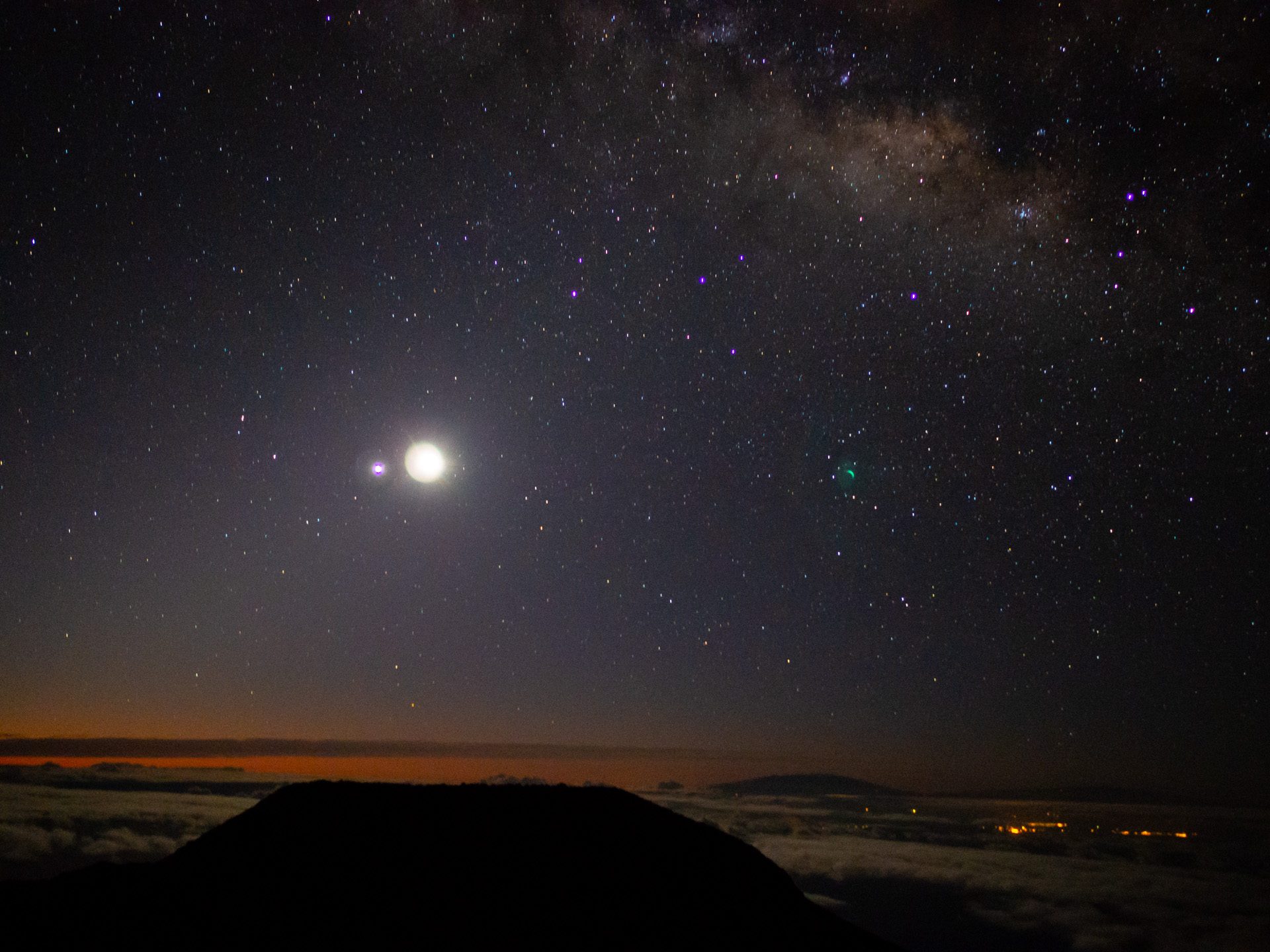
It was freezing cold at 3’055 m.a.s.l. and a bit early for sunrise, but right on time for a few astrophotography pictures.
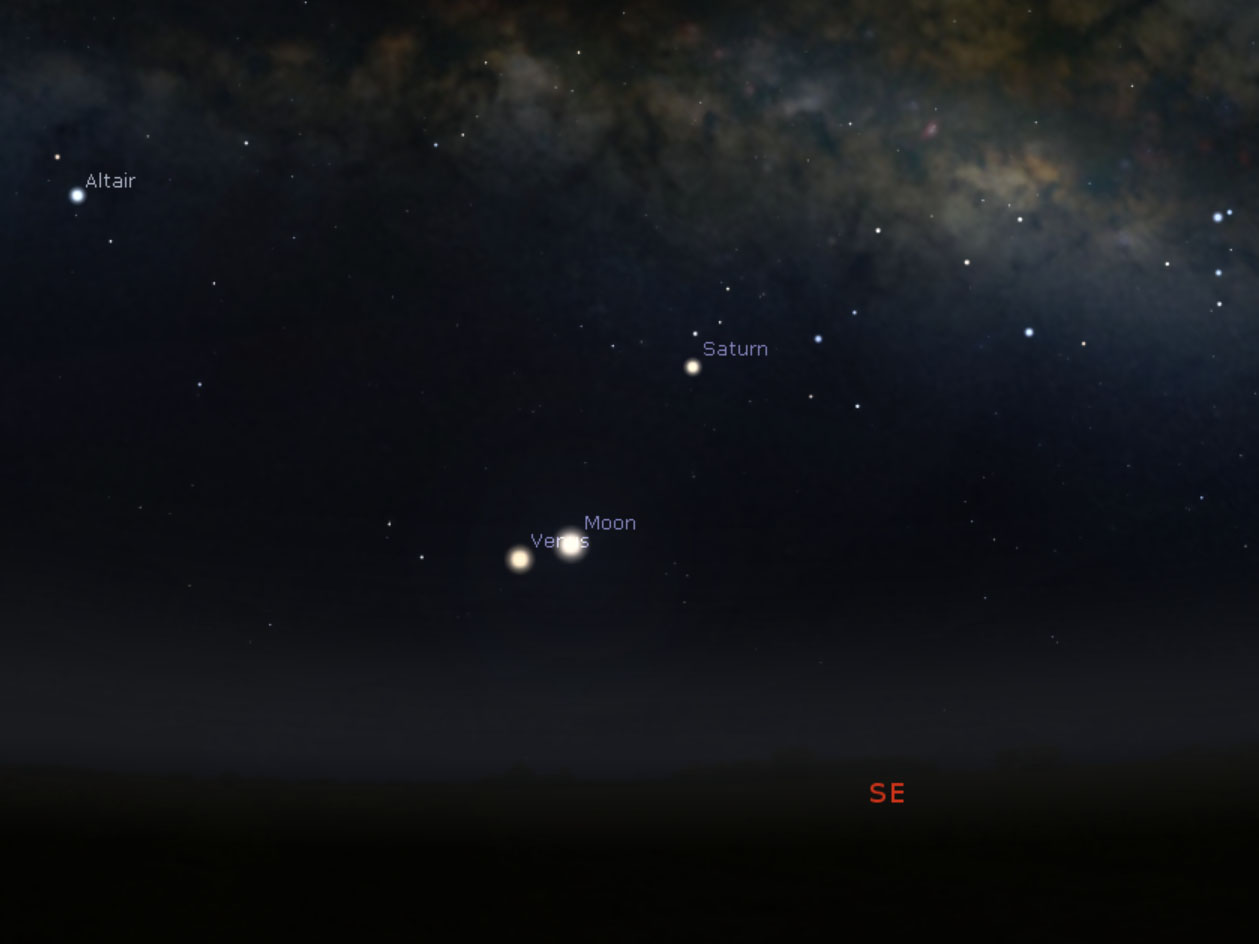
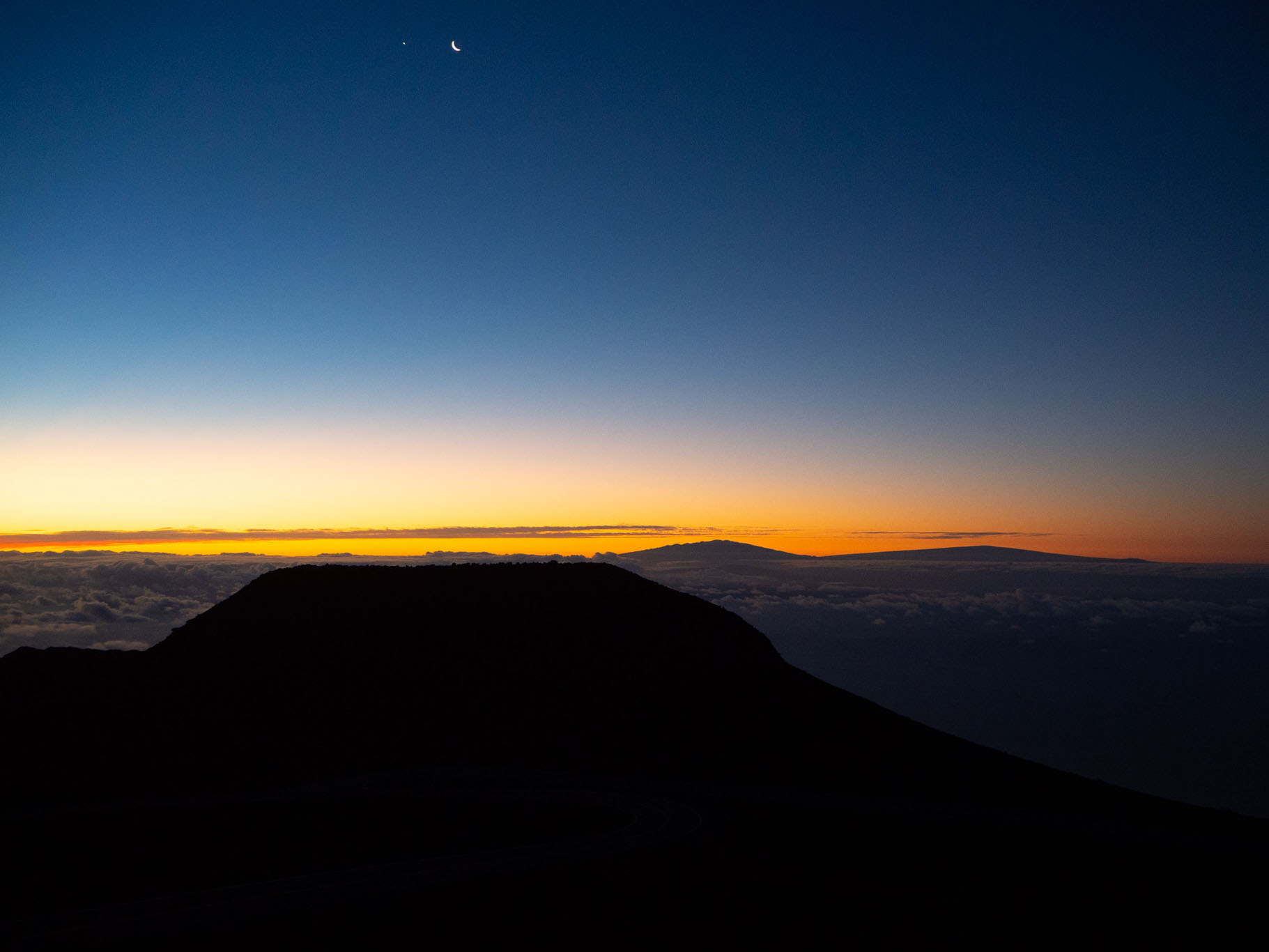
Moon (center), Venus (to the left), Saturn (green object to the right), clouds, crater, beginning dawn and the Milky Way… proud of this shot! 🙂
All together…
Stellarium screenshot
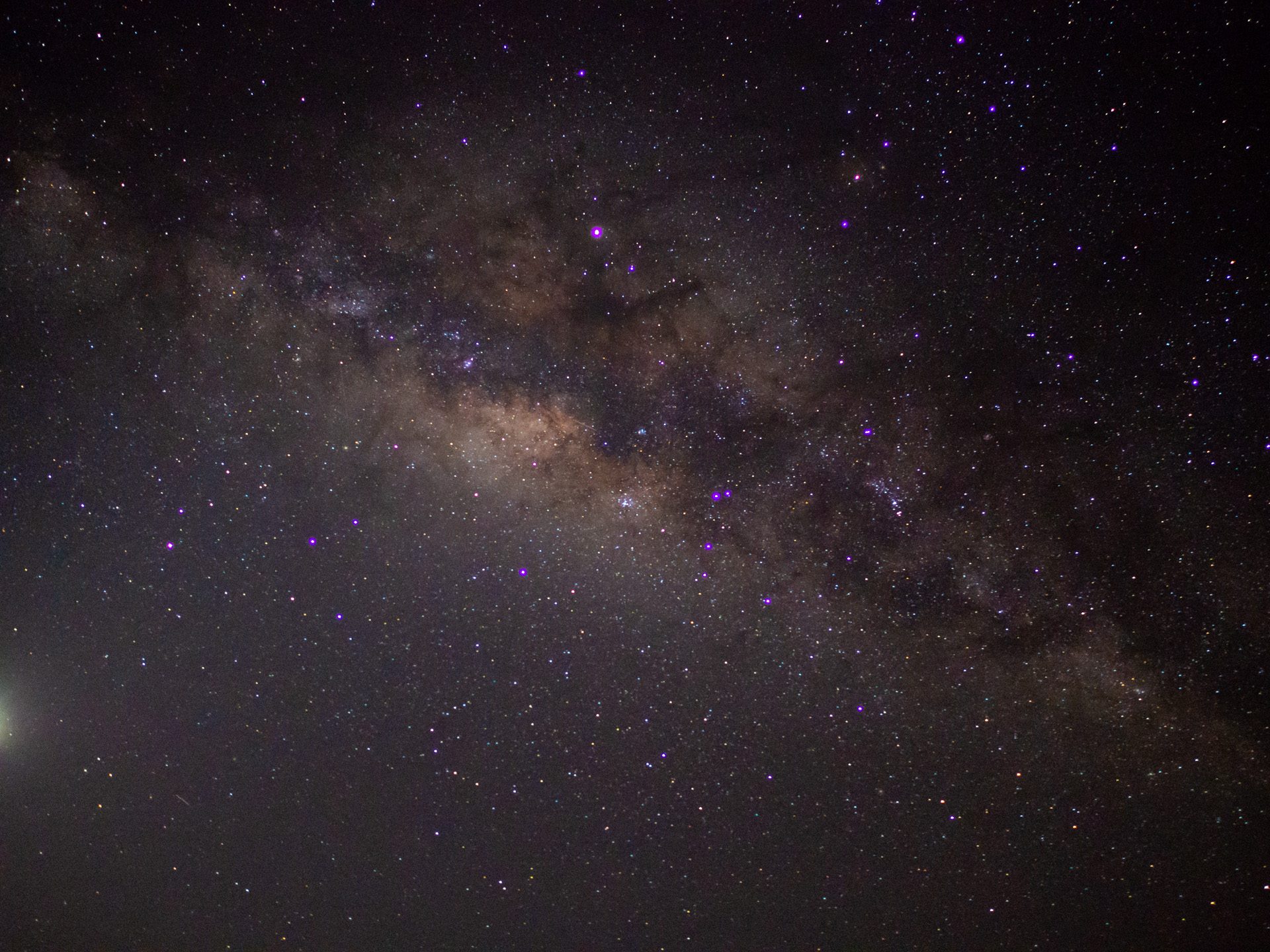
Milky Way
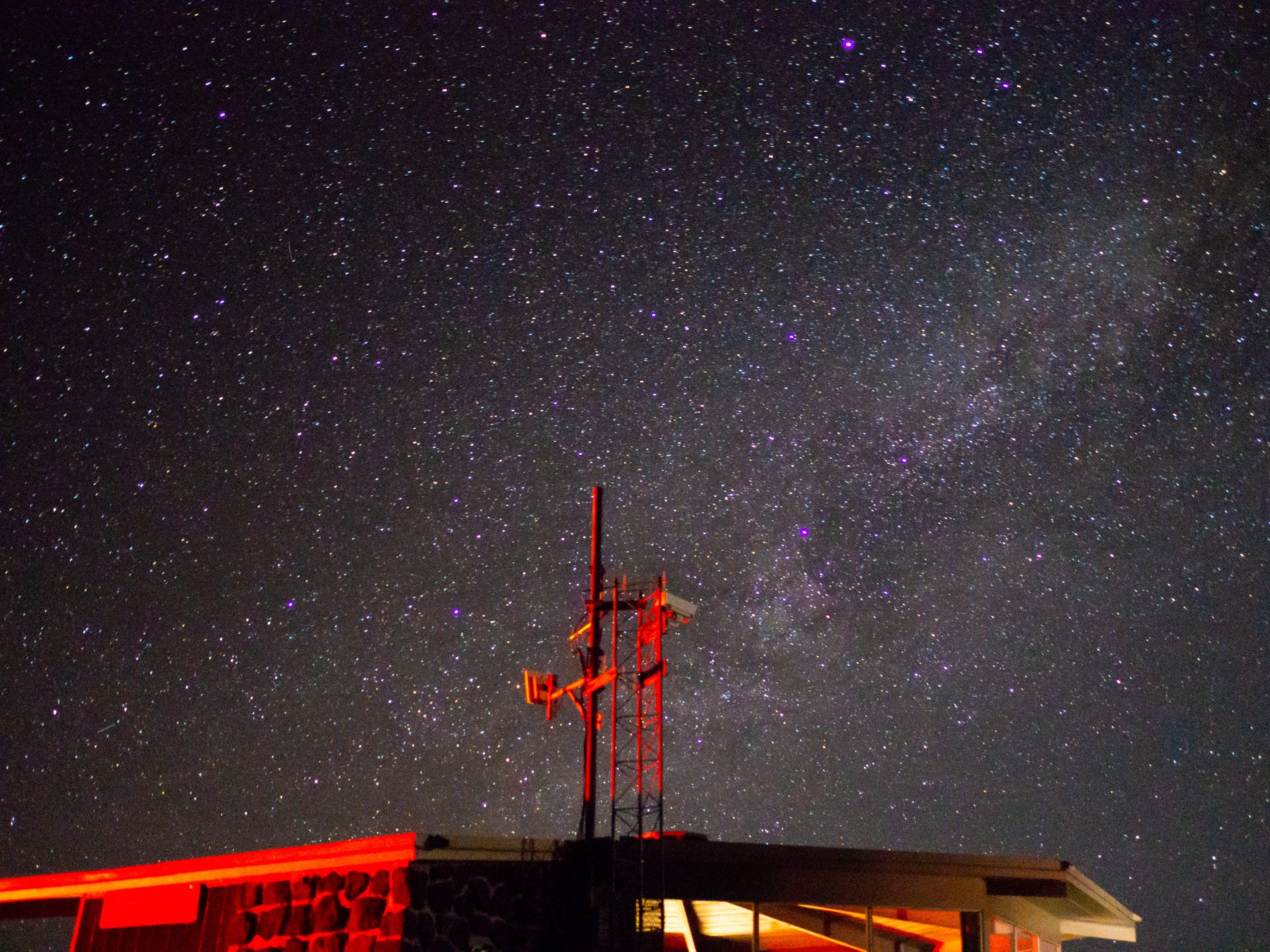
Nightsky over Haleakala
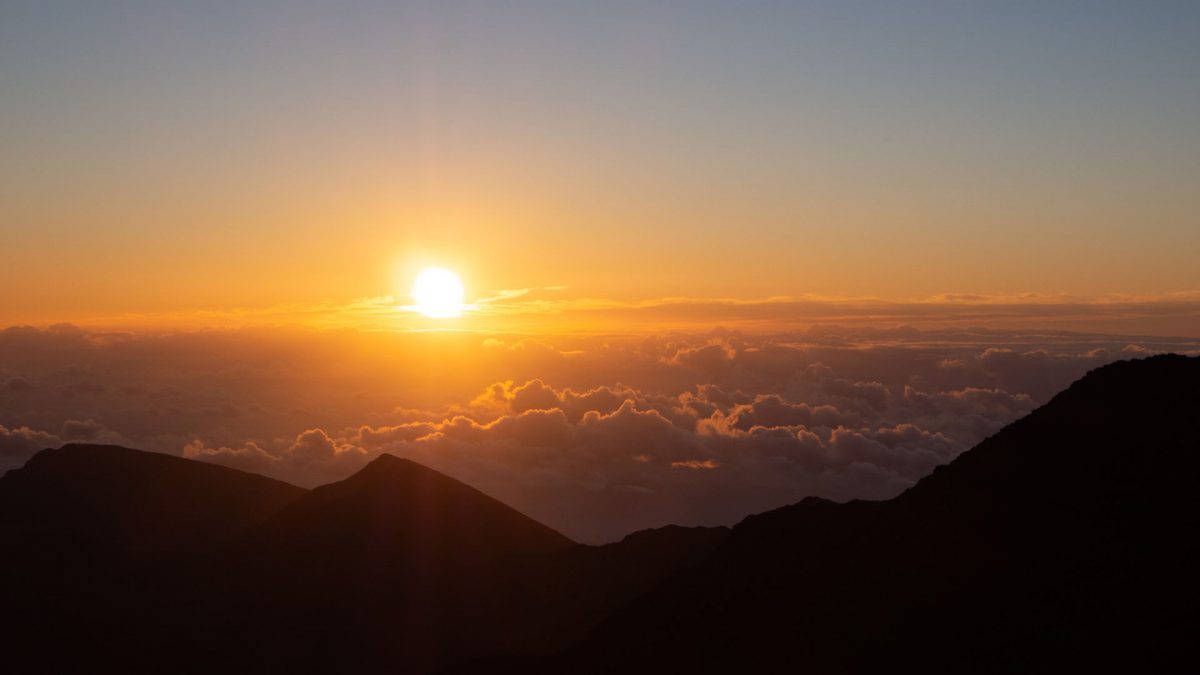
After a quick warm-up in the car (that could be misinterpreted… 😉 ) we rejoined the sunrise viewers at 6 A.M. with the beginning dawn. It really was a wonderful experience to see the sky changing colors. Again, clouds make the difference, without them it might have been much less spectacular.
Setting dawn
There it is!
A real spectacle
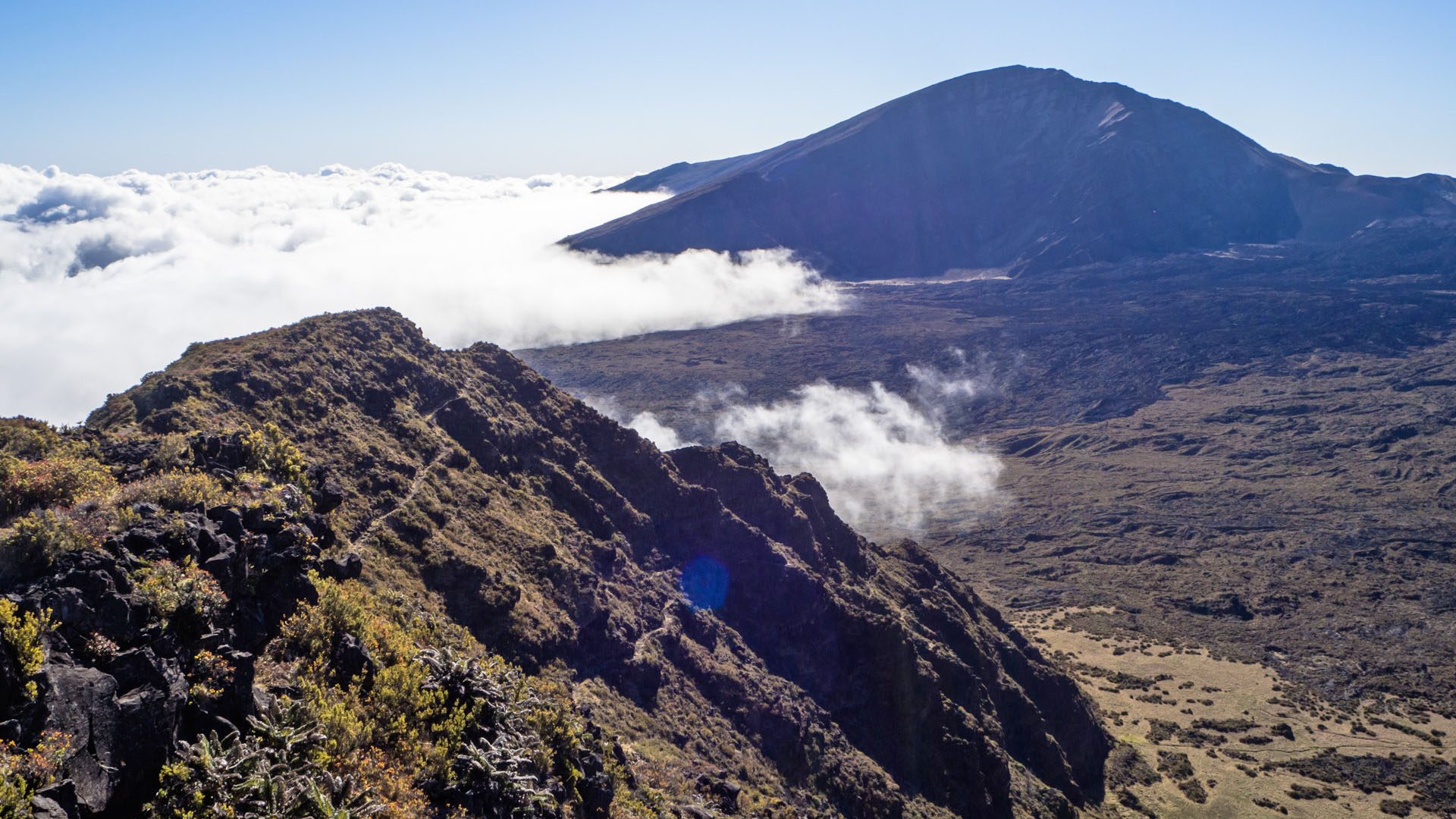
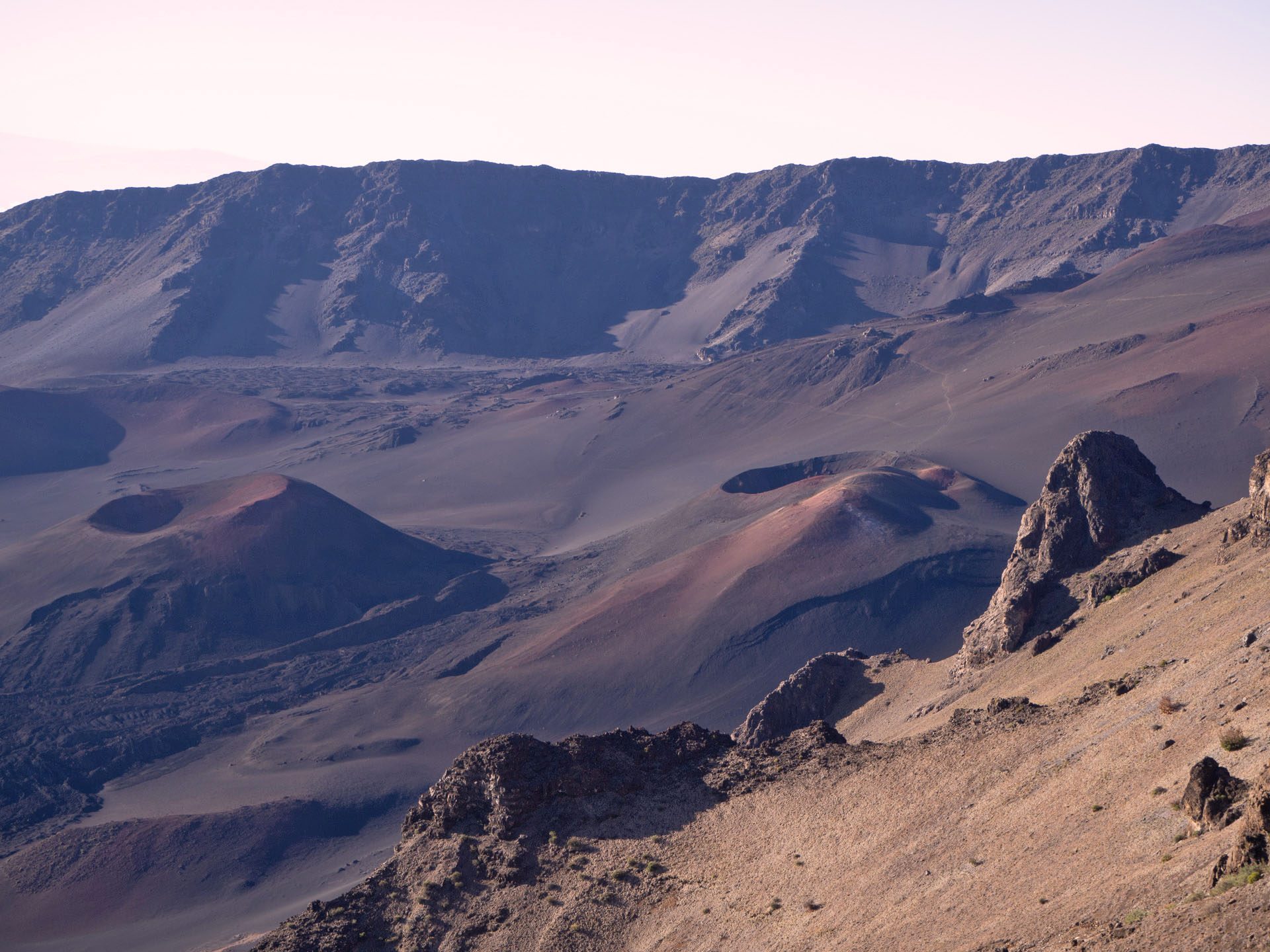
With the sun and temperatures rising we checked other overlooks and did a part of the Halemau’u Trailhead to the crater.
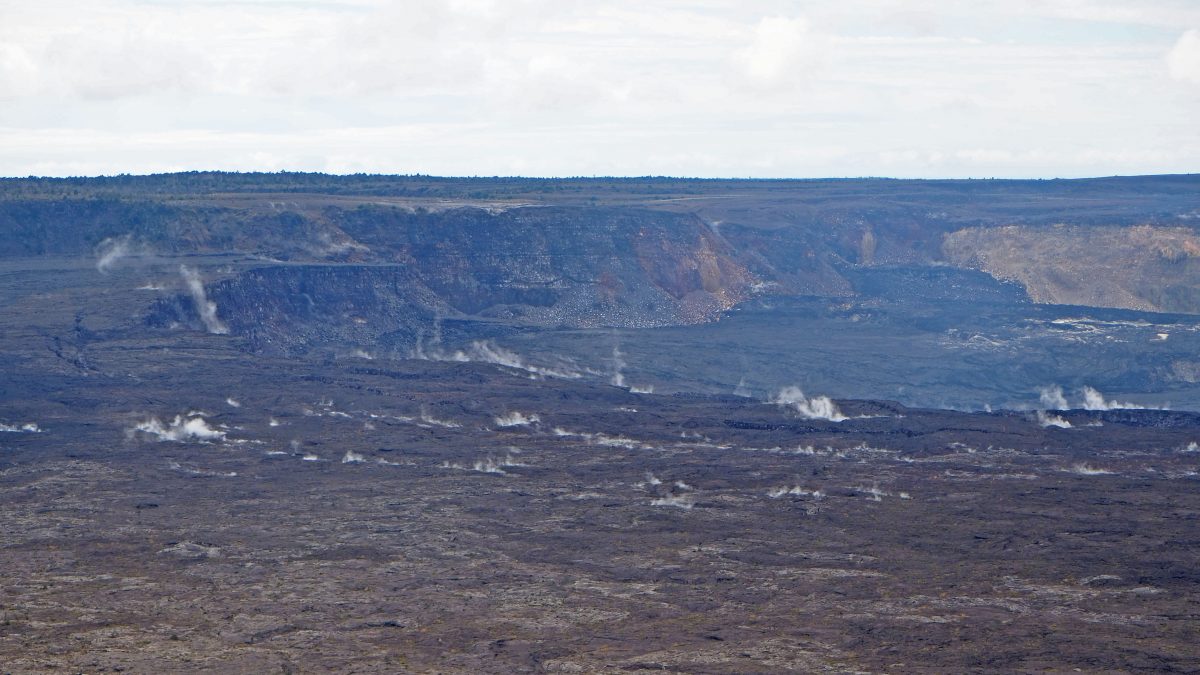
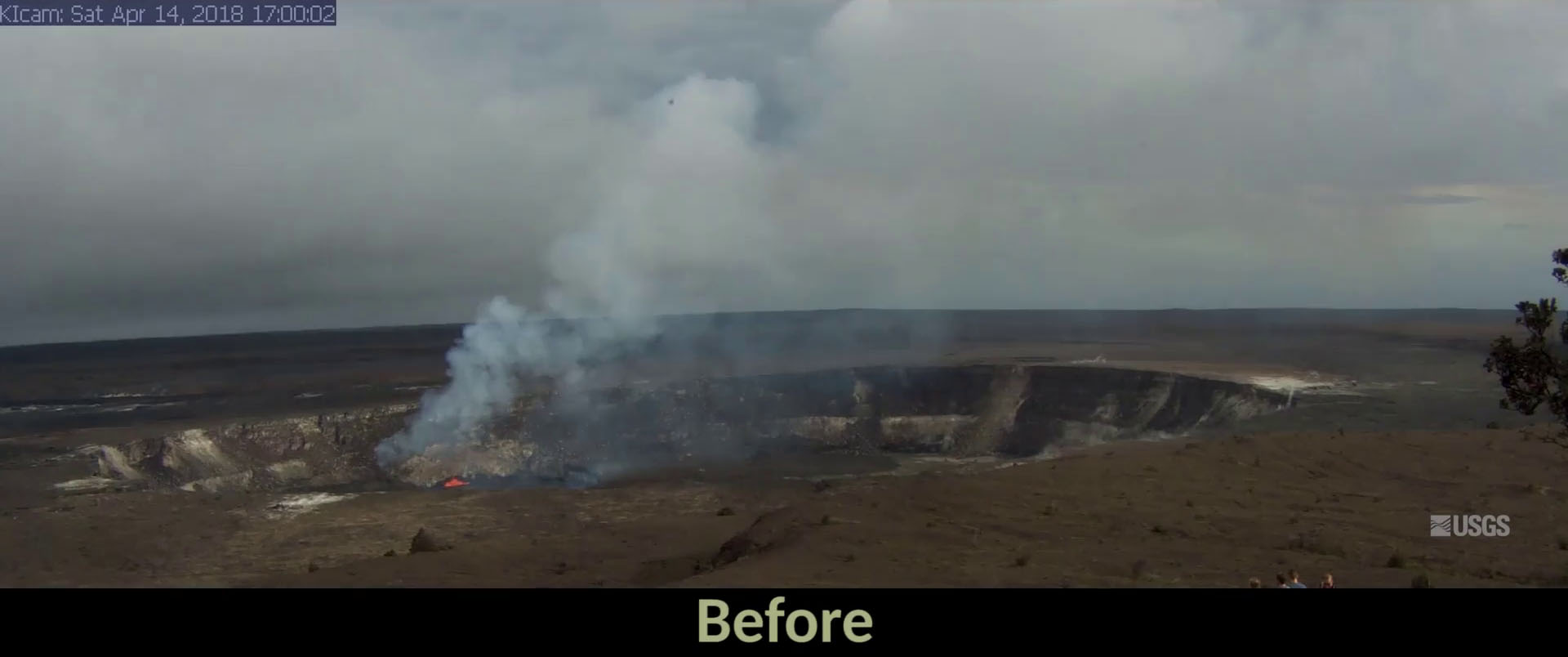
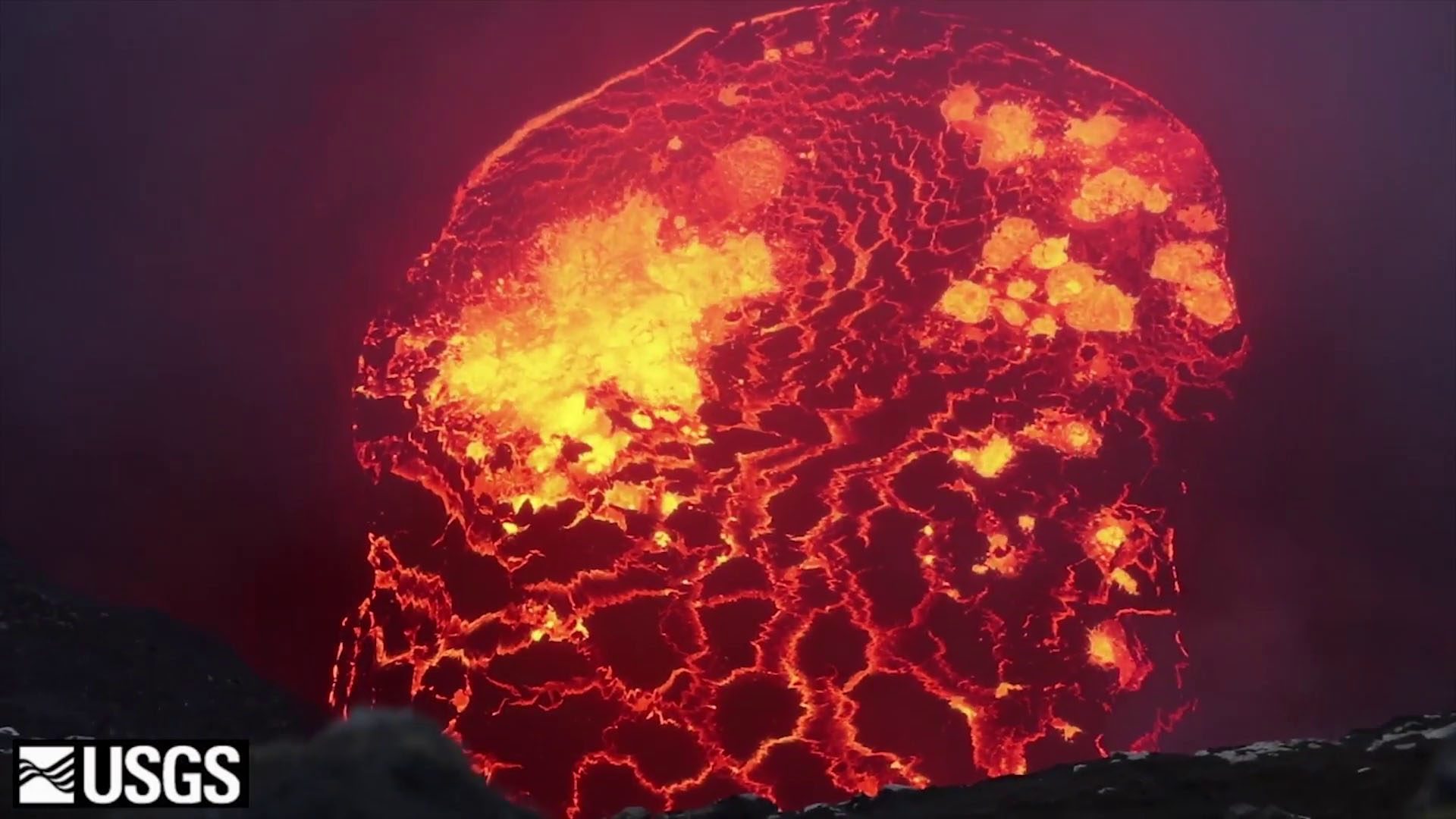
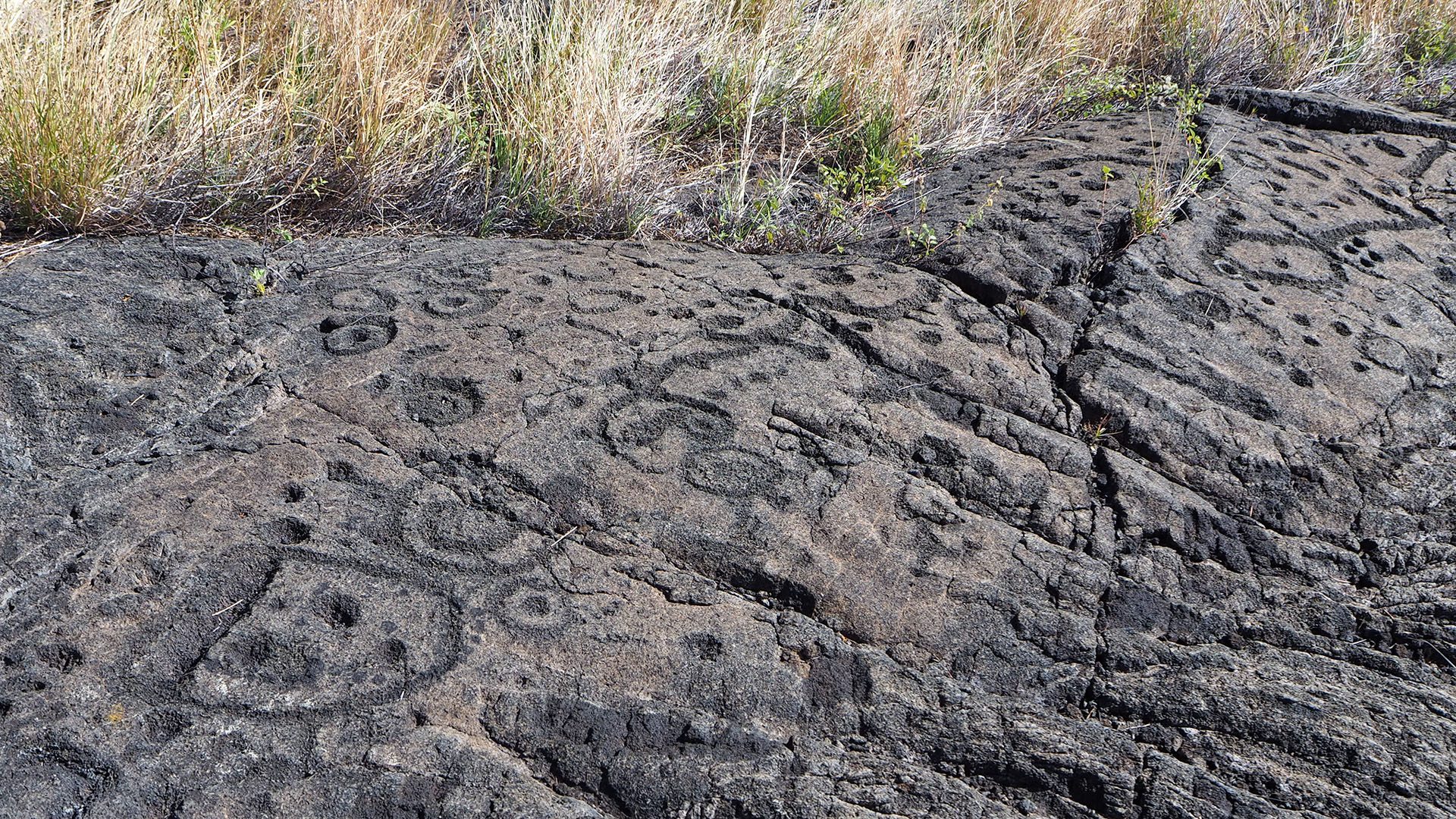
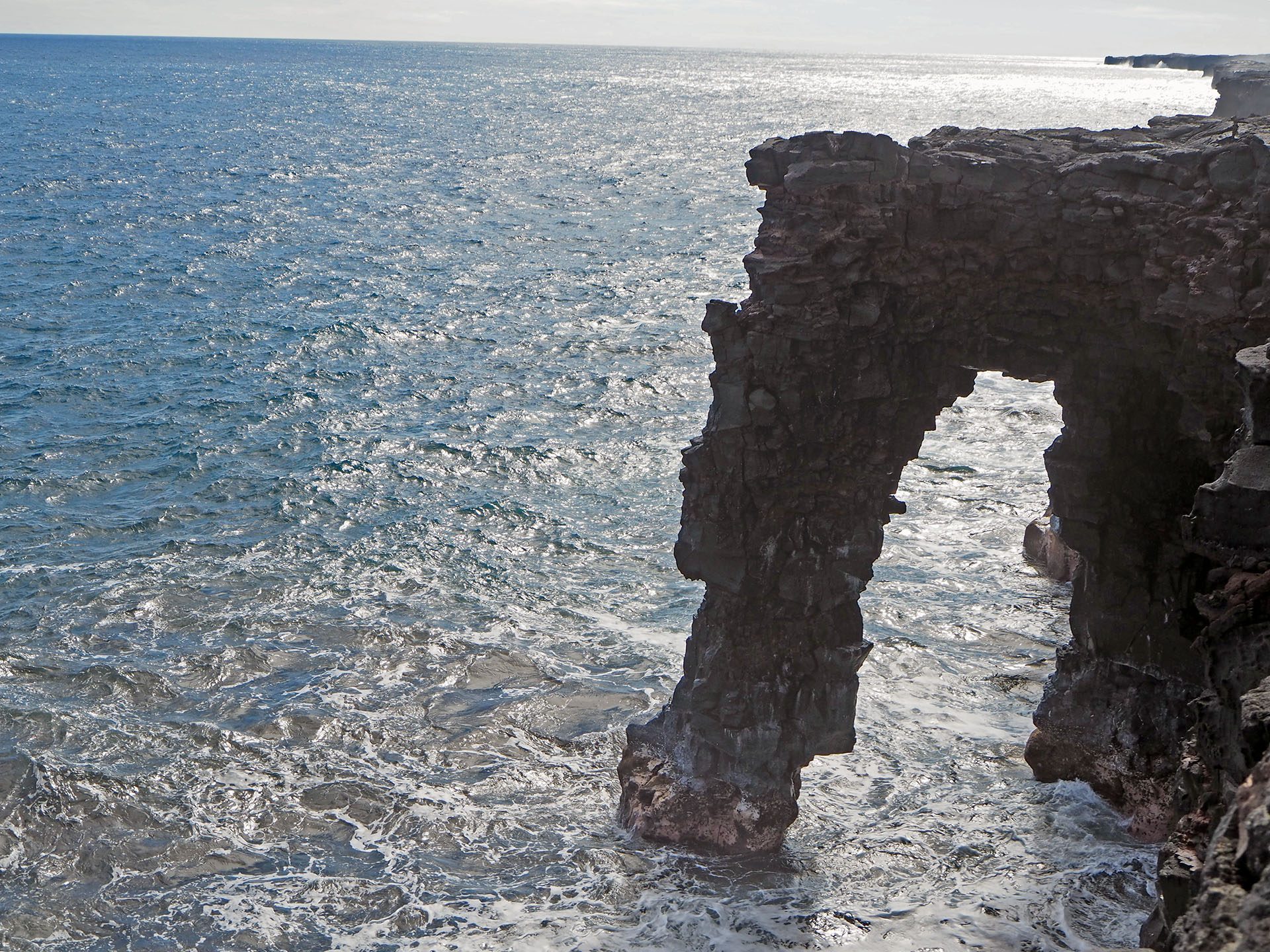
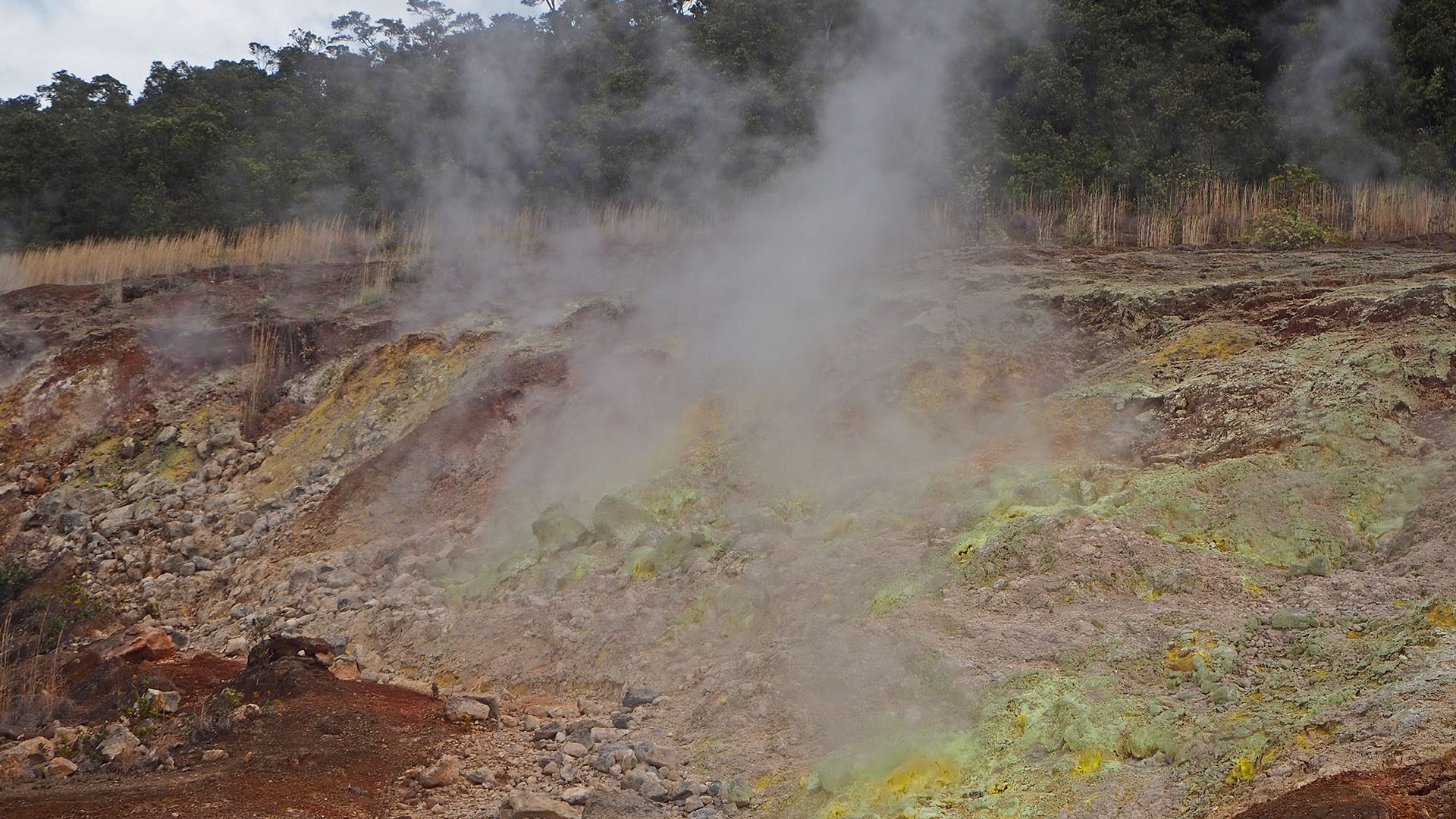
At time of booking the Volcanoes National Park would have been one of the very big highlights of our trip, as places with volcanic craters, a lava lake and active lava flows, while still being easily accessible, are hard to find elsewhere in the world (therefore this place is also called “drive-in volcano”).
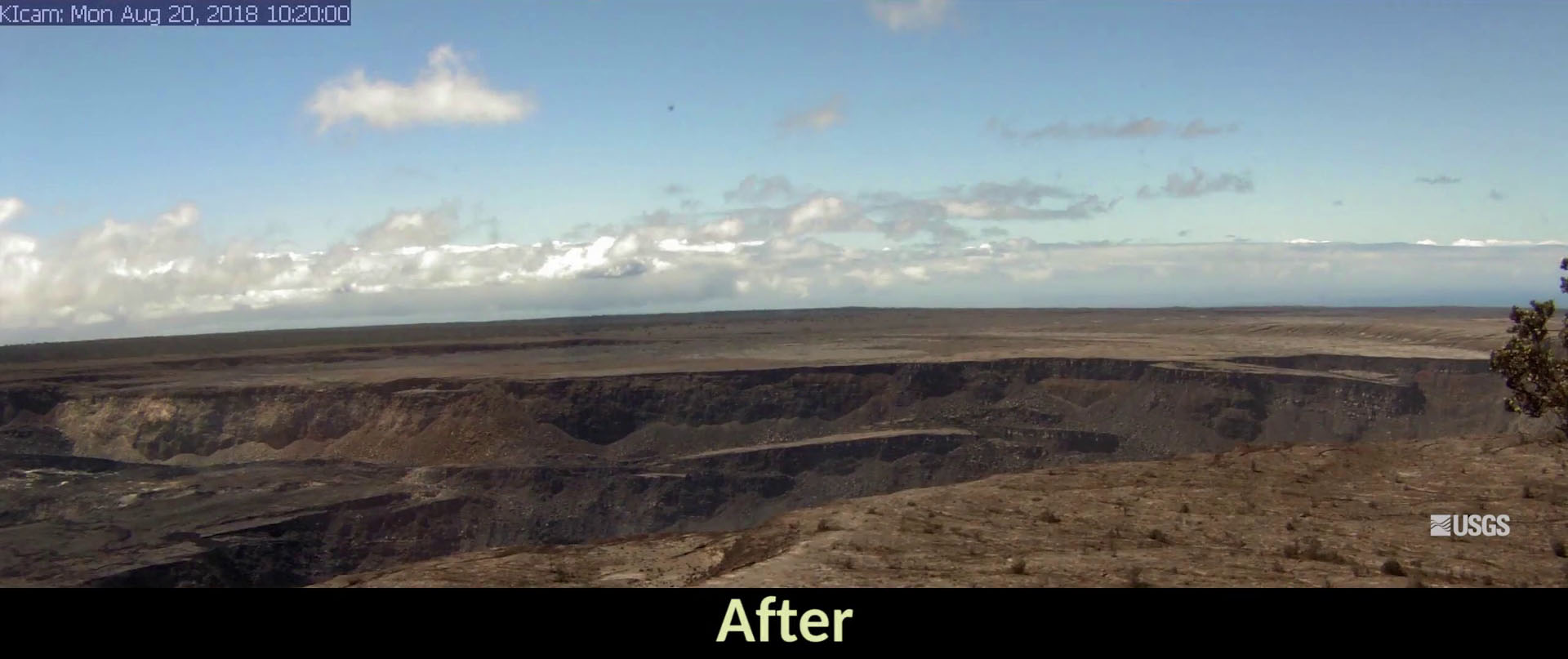
Now, the park changed quite a bit between May and July 2018:
“Beginning in May, 2018, the lava lake that existed inside Halema‘uma‘u crater disappeared and lava flows from Puʻu ʻŌʻō crater have ceased. There is no molten lava or lava glow to see anywhere in or out of the park.”
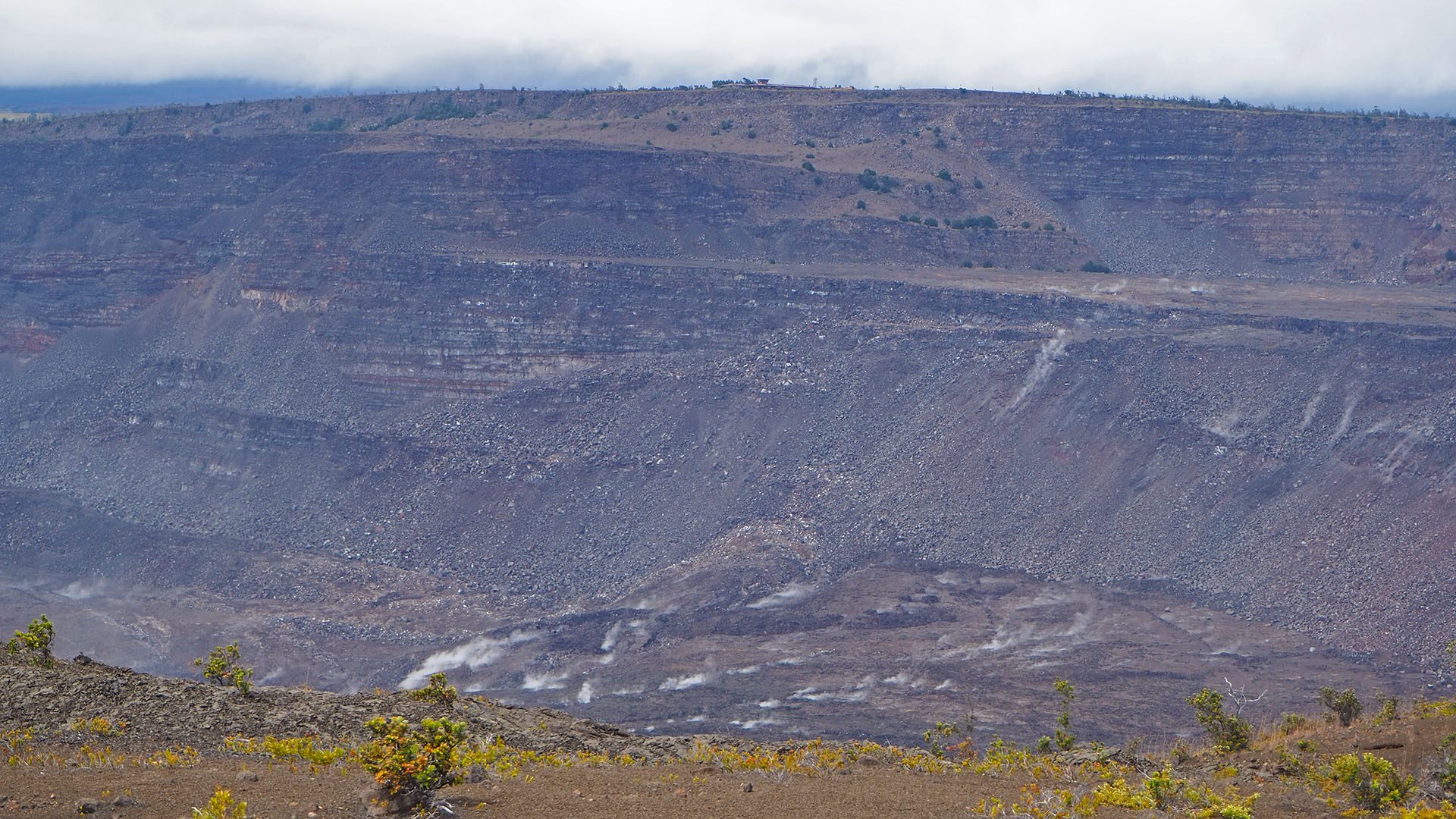
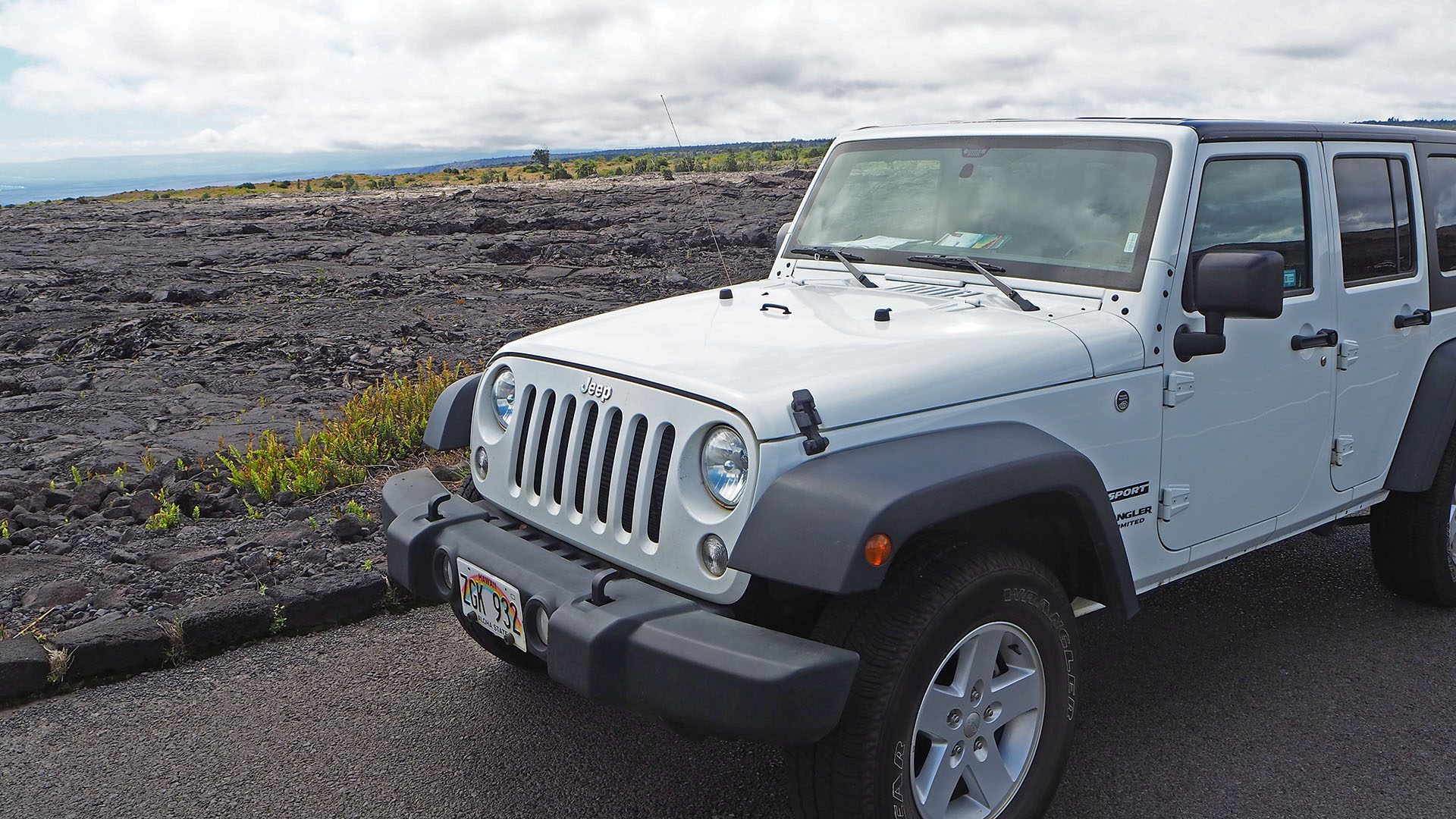
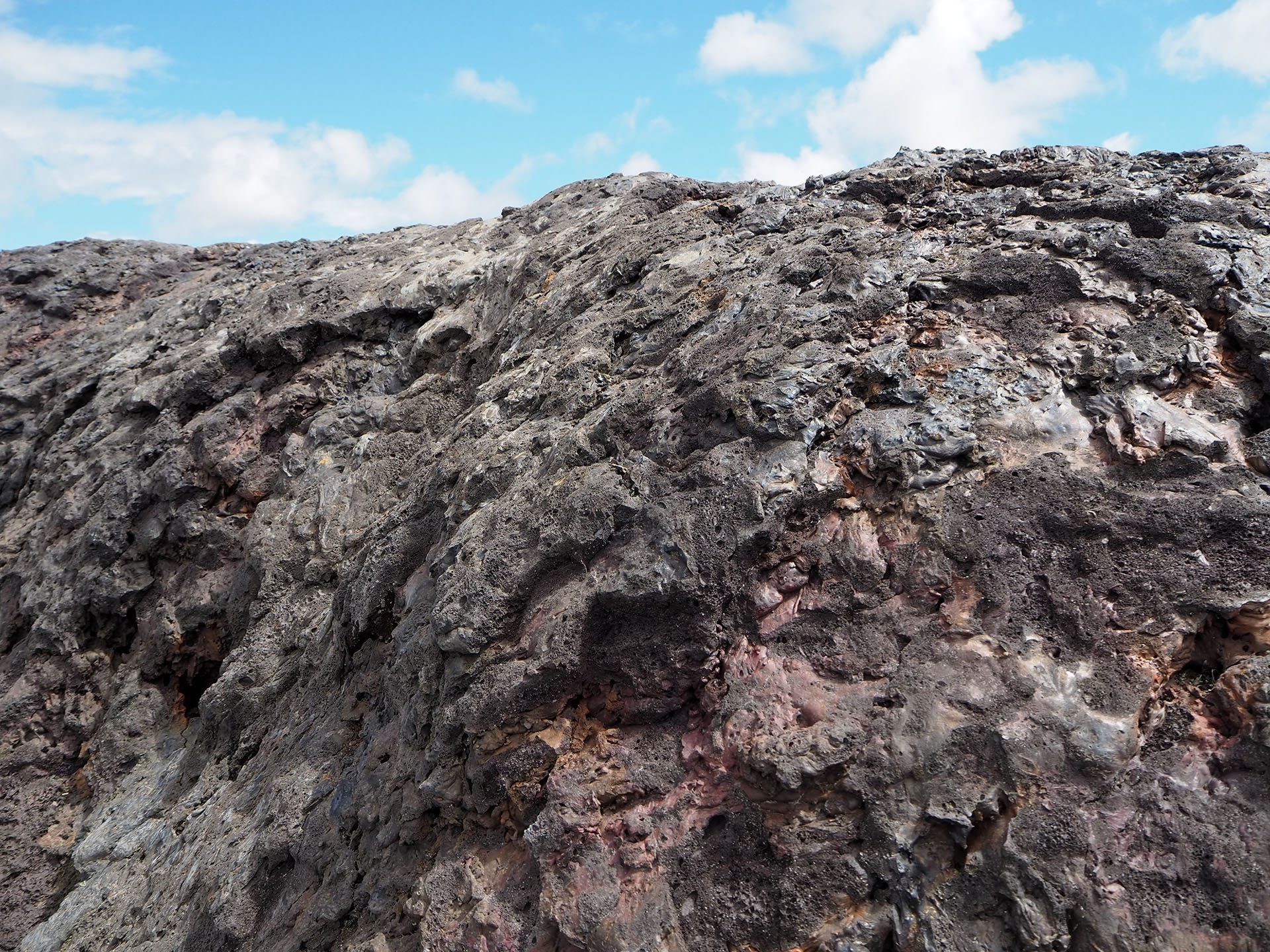
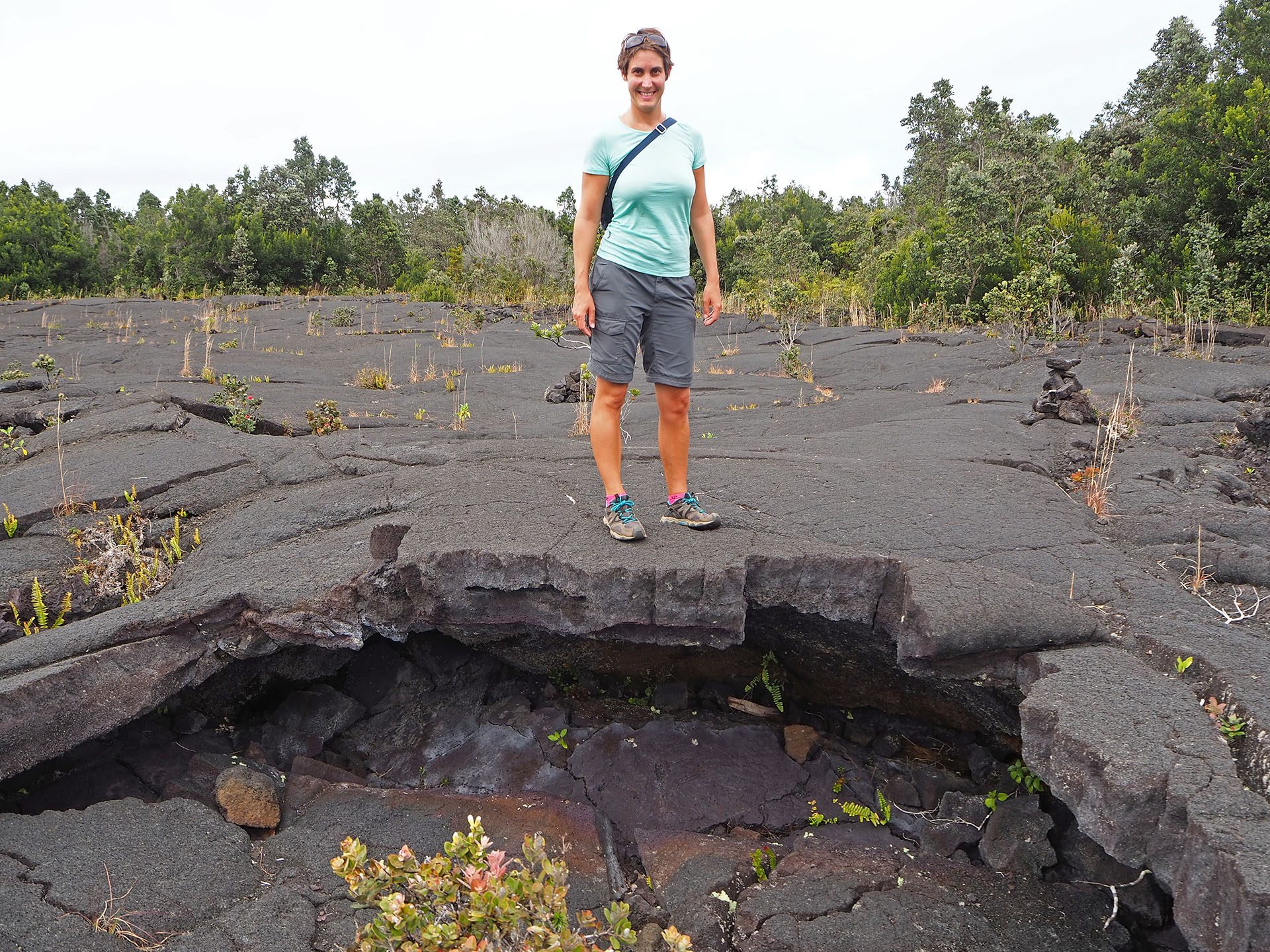
But on the positive side, the park had re-opened (after another closure due to government shutdown in January, just a few weeks before our visit). Even without molten lava the park was still worth a visit: the Kilauea Caldera is still impressive. The views on lava flows of the 70ies are also nice to see, and a hike over the Manua Ulu eruption(s) (1969 – 1974) on hardened lava structures is a very extraordinary experience.
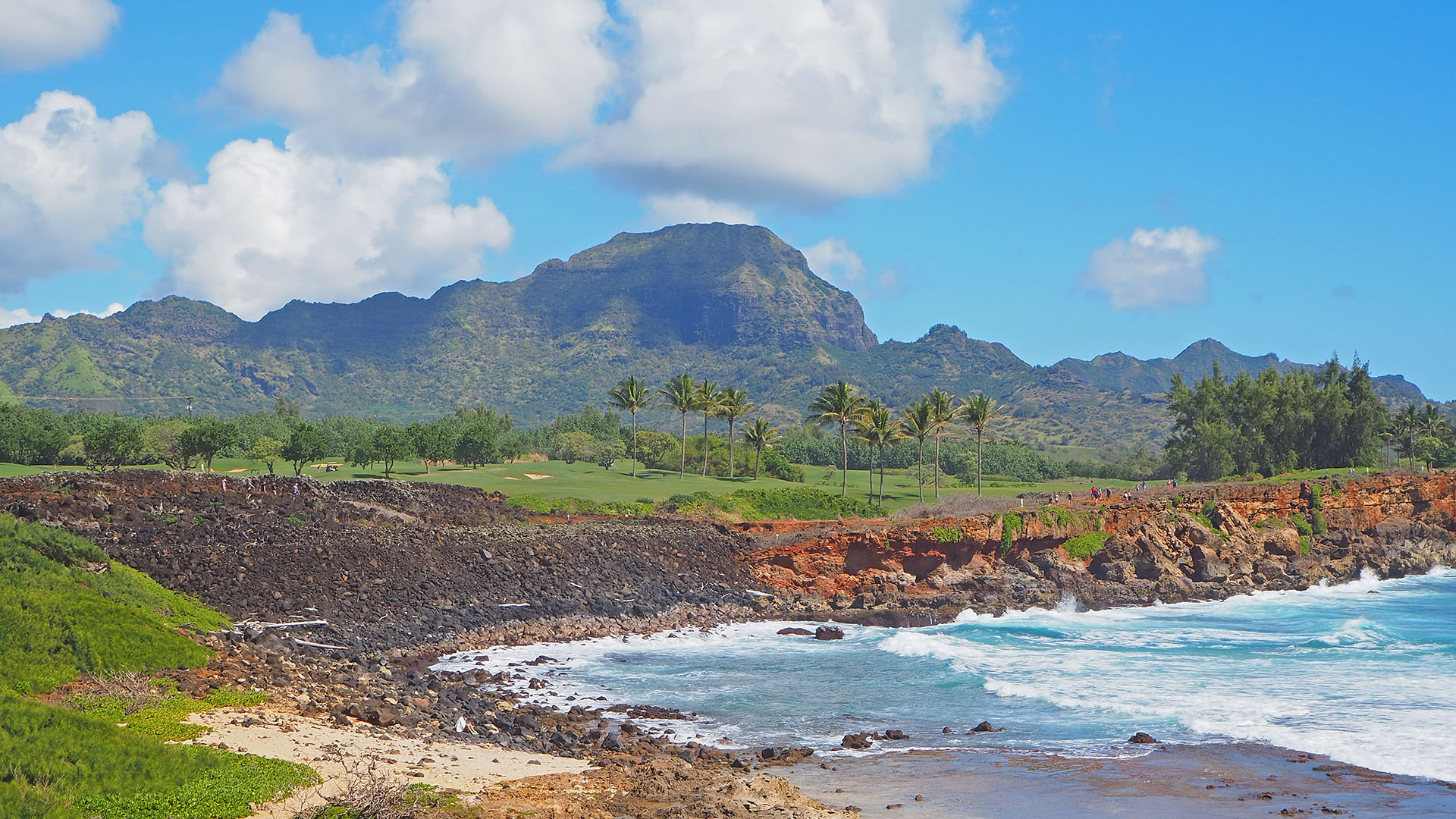
First day without rain on Hawaii! Having already completed our bucket list for Kauai, we didn’t expect much of this day. But it turned out really well. We googled “Kauai easy hikes” and stumbled across Maha’ulepu Heritage Coastal Trail, close to Shipwreck Beach.
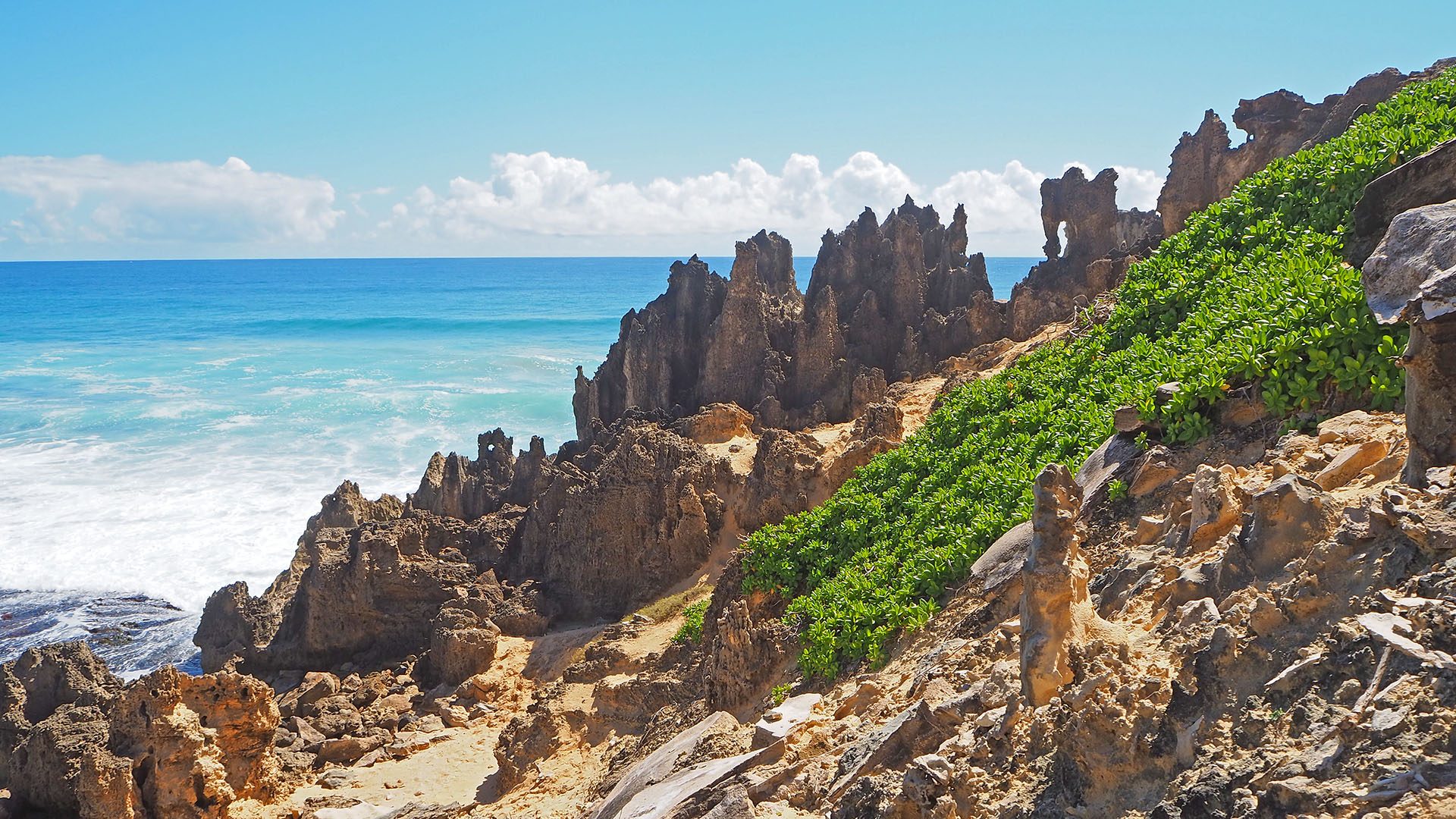
Red coast on Kauai
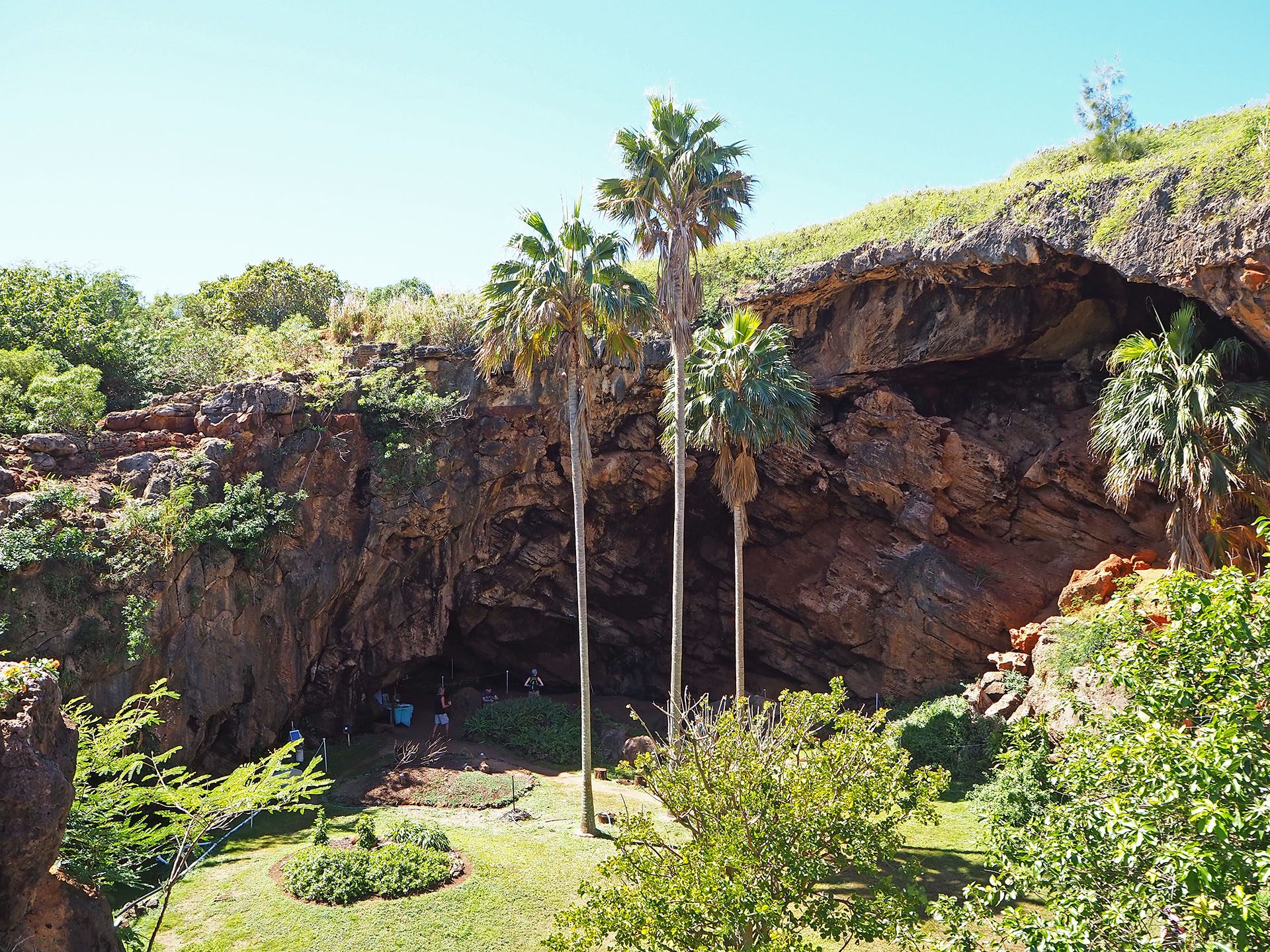
It was a nice coastal walk with remarkable coastal sceneries and a cave to visit (Makauwahi Cave).
Makauwahi Cave
Rock formations
On our way back we have been rewarded with whale sightings on the horizon.
Didn’t have the zoom camera with us…
And we finally went into the sea and had some fun with the breaking waves. 🙂
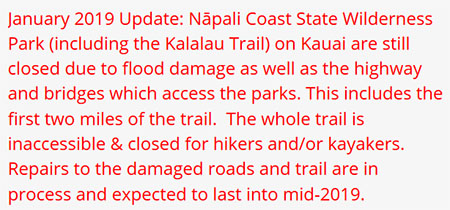
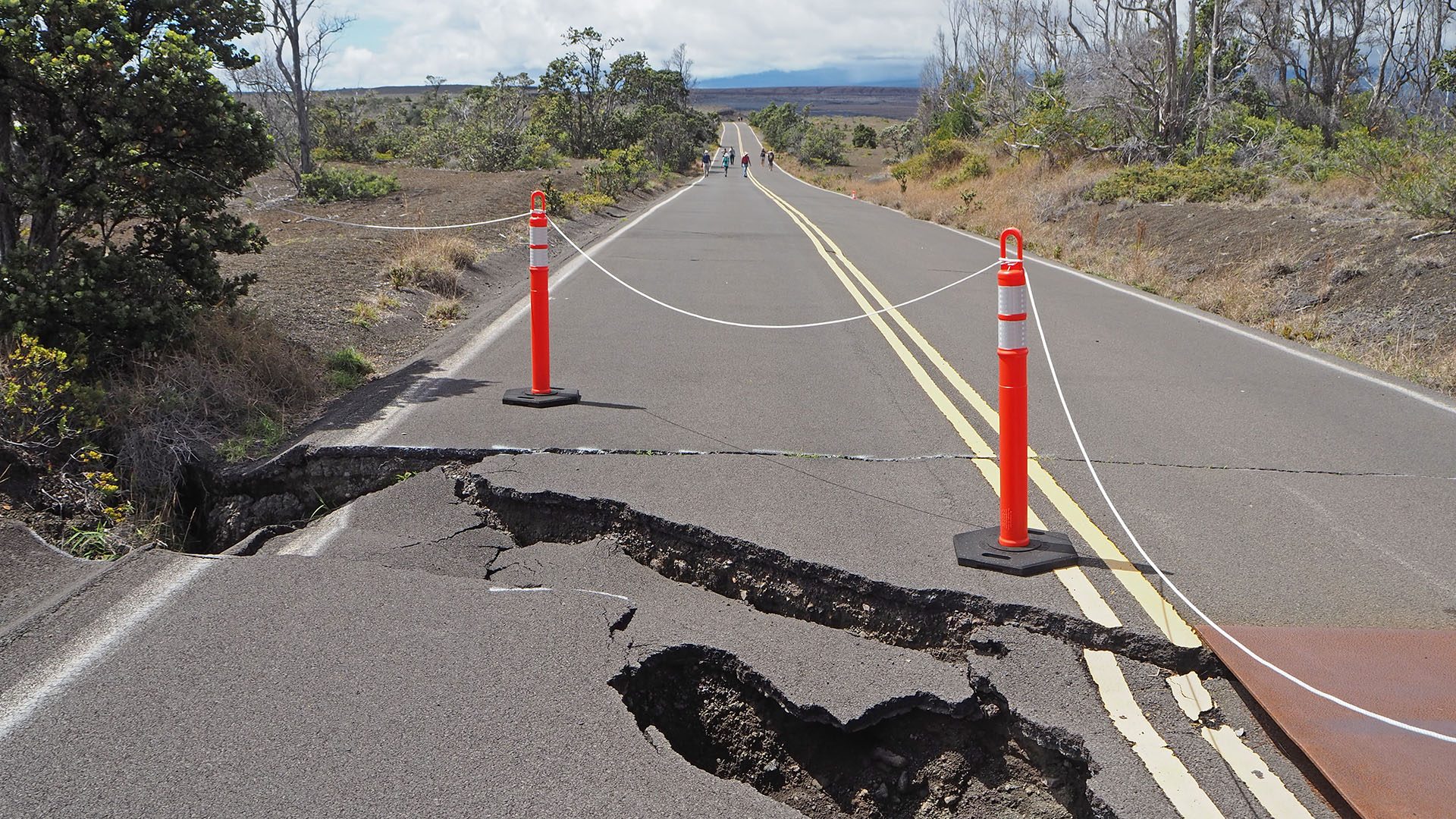
The plan was to explore the northern coast of Kauai, especially doing a hike on the Napali coast. But we got to know that the Kalalau Trail was closed since January due to flood damages:
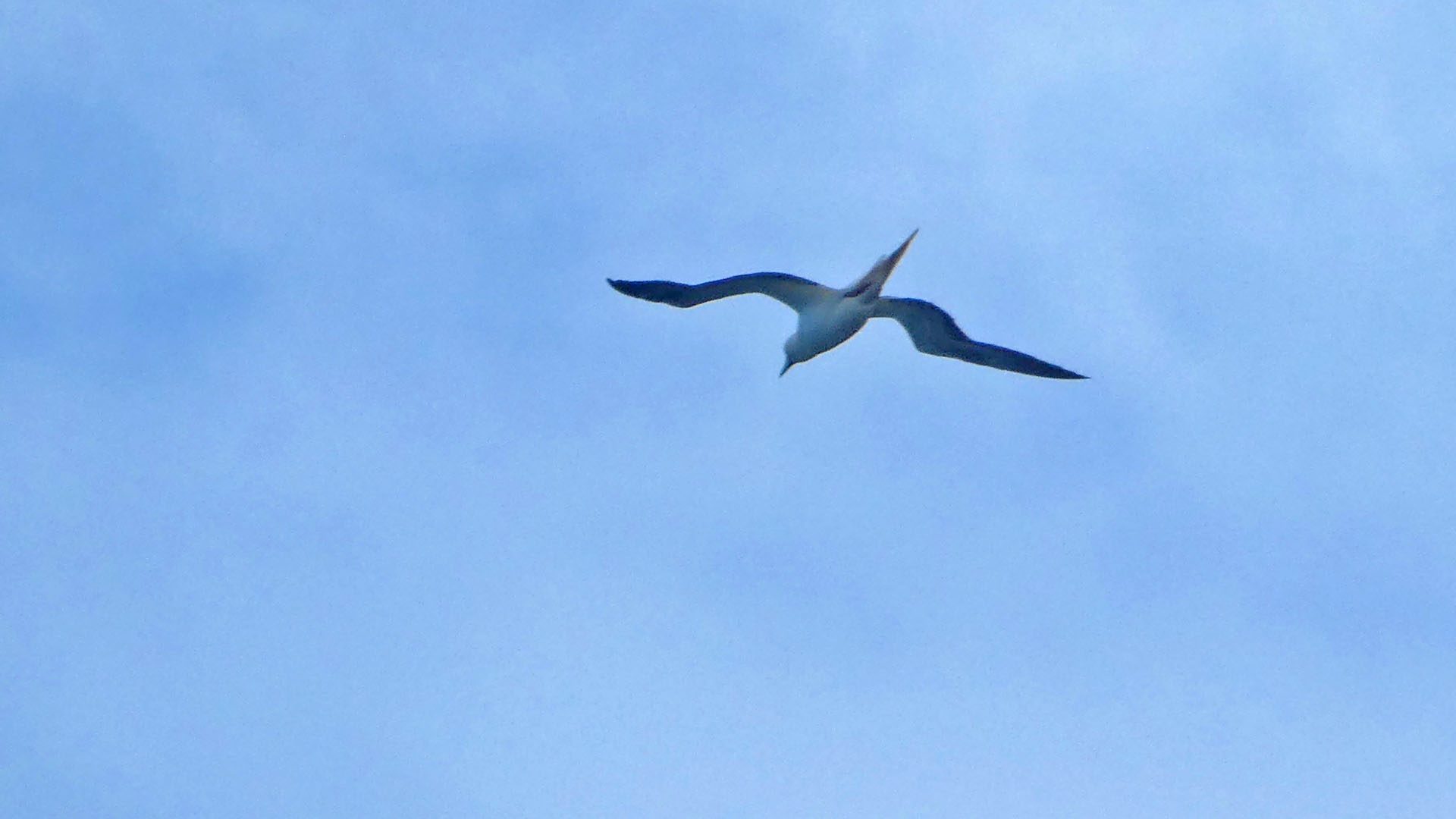
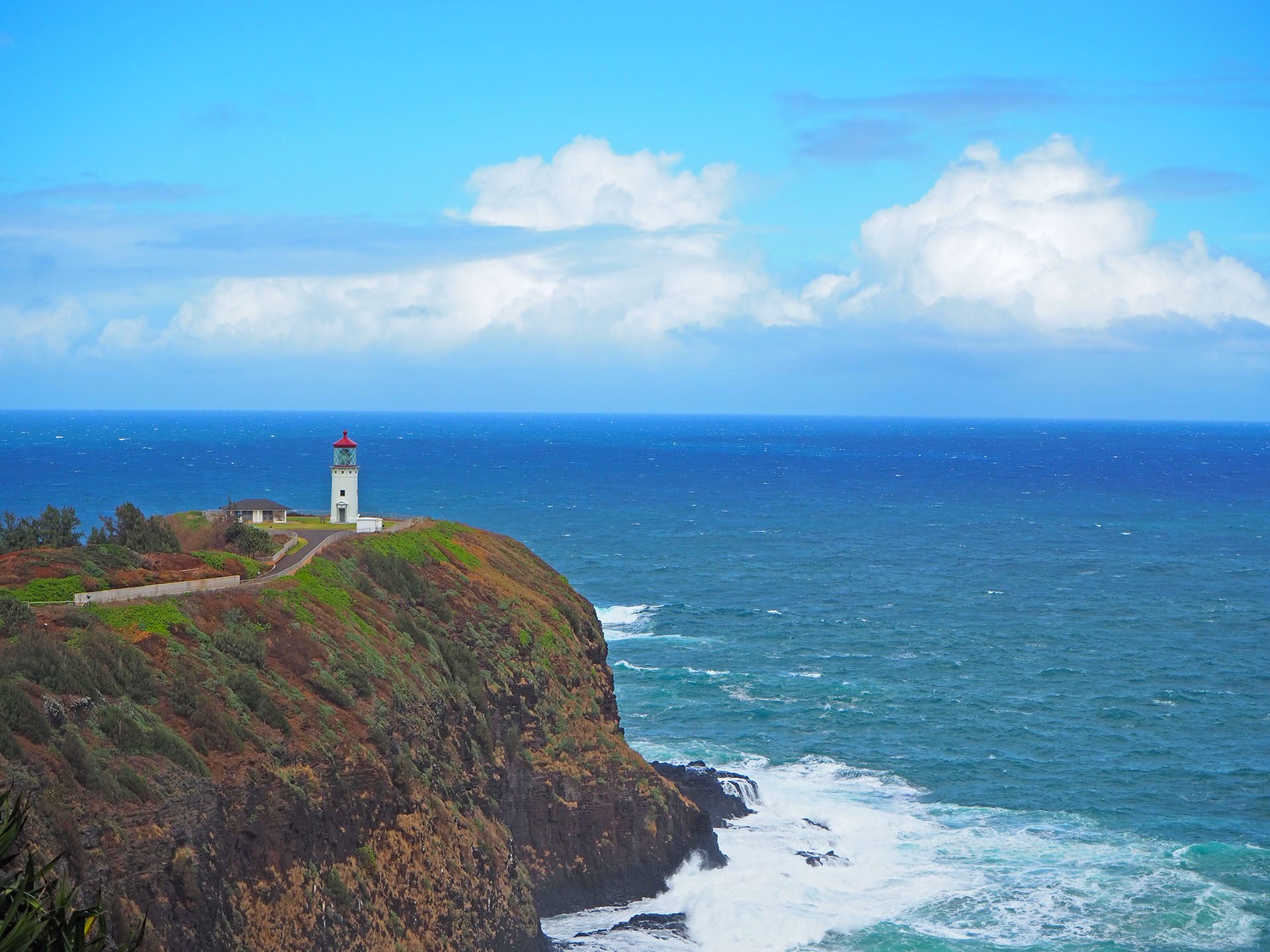
Nevertheless, we drove northwards and got to the Kilauea Point National Wildlife Refuge – which was also closed, but at least had an overlook on the lighthouse and an albatross colony.
Albatross
Kilauea Point Lighthouse
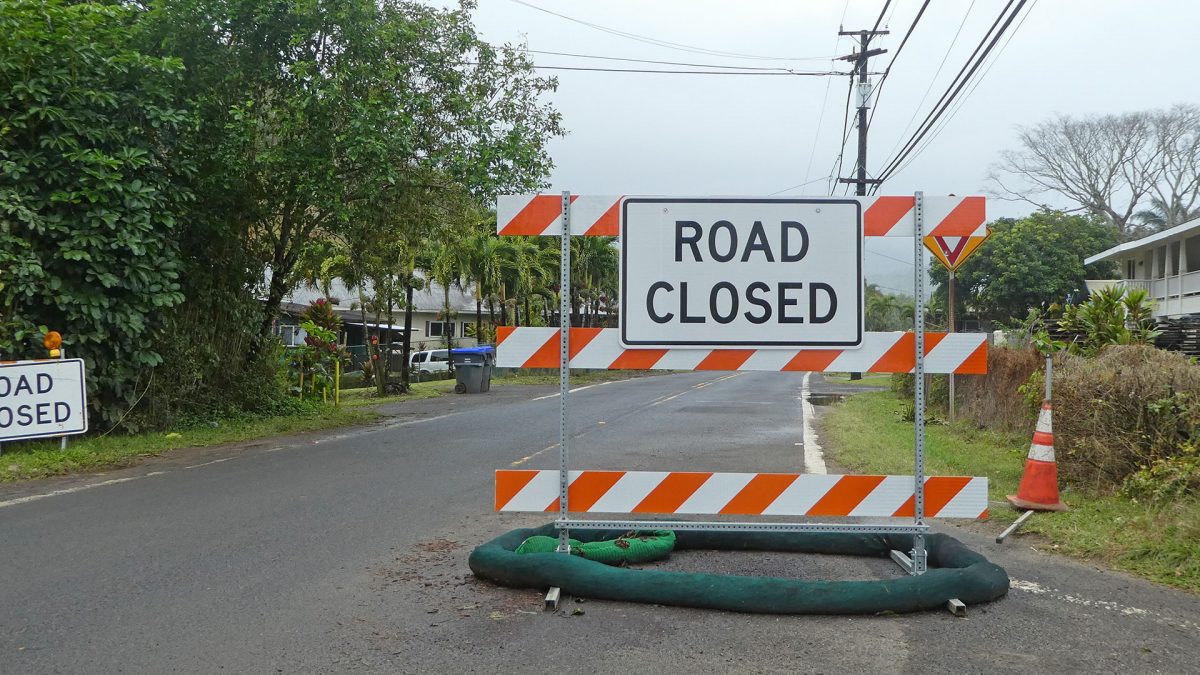
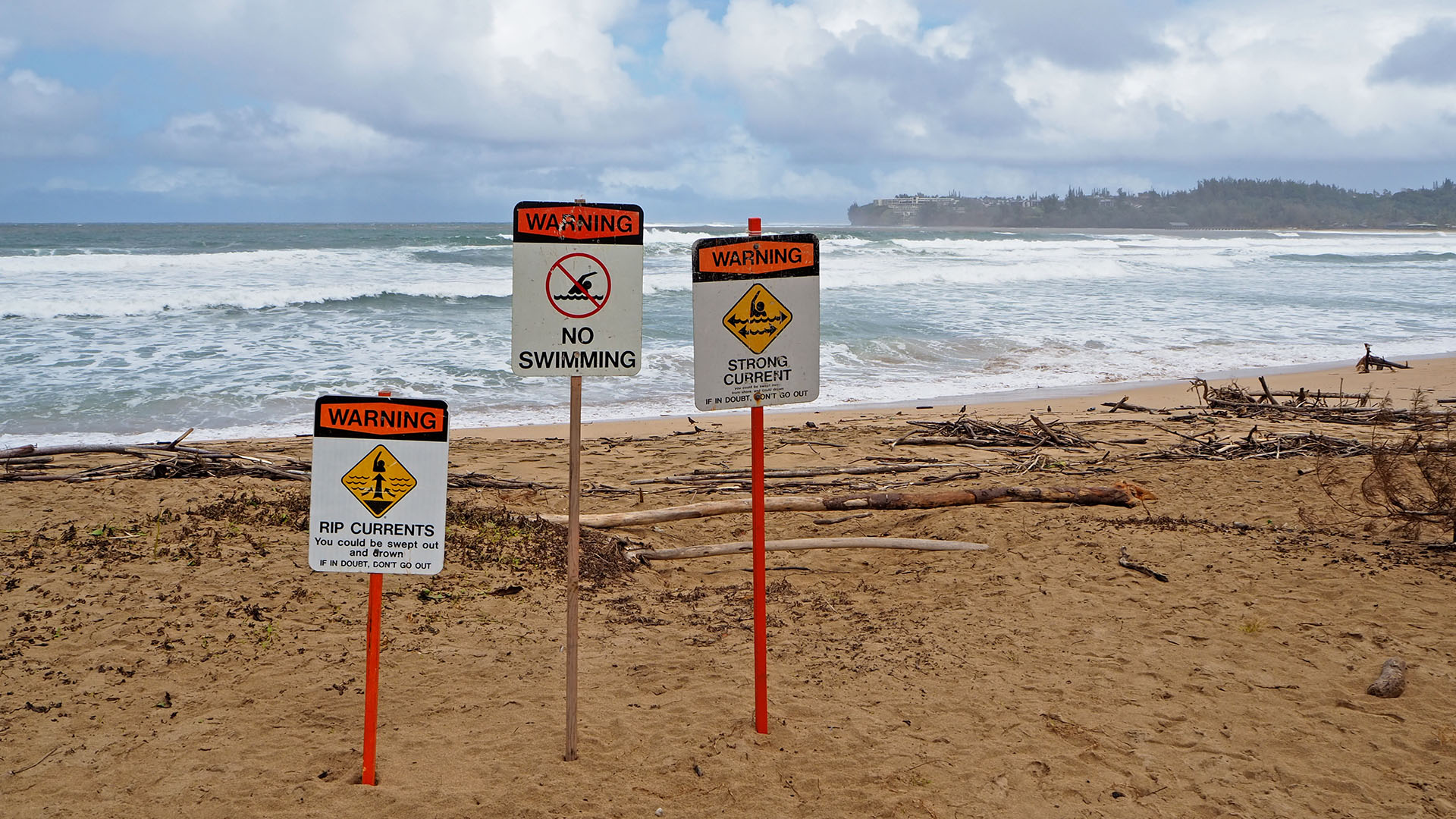
Our tour came to an end at Hanalei: road closed. So instead of visiting the Maniniholo Dry Cave, Waikanalo- & Waikapalae Wet Caves or Tunnel Beach we browsed through souvenir shops and relaxed with coffee and banana bread in Hanalei. Besides, many Hawaiian beaches aren’t THAT inviting, anyway.
It wasn’t
the best start into the day. Even mediocre cafés in Waikiki are very busy in
the morning, and checking other cafés for shorter queues didn’t make it better.
Also, we recommend to inform yourself well about the buses in Oahu, or even better, ask the locals. There are around 20 bus stops containing “Diamond Head”, but just one is the correct for doing the famous hike. Being lost, we did our very first Uber drive and didn’t regret it.
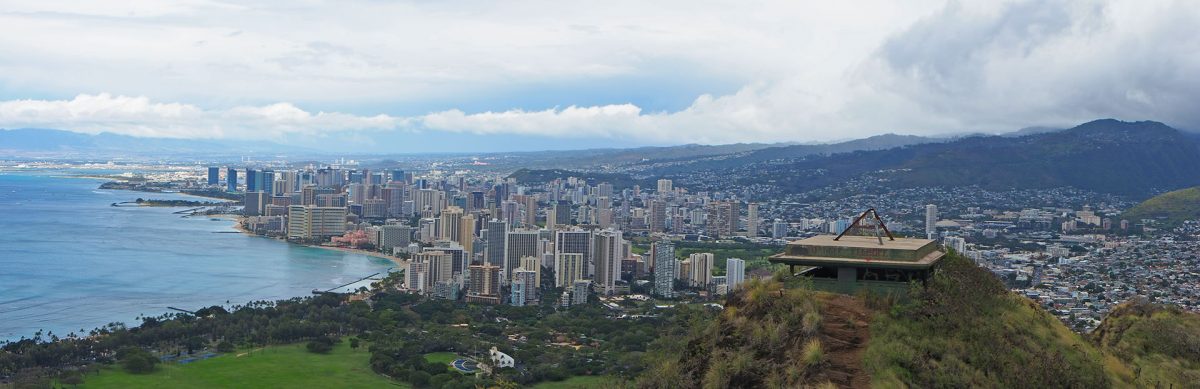
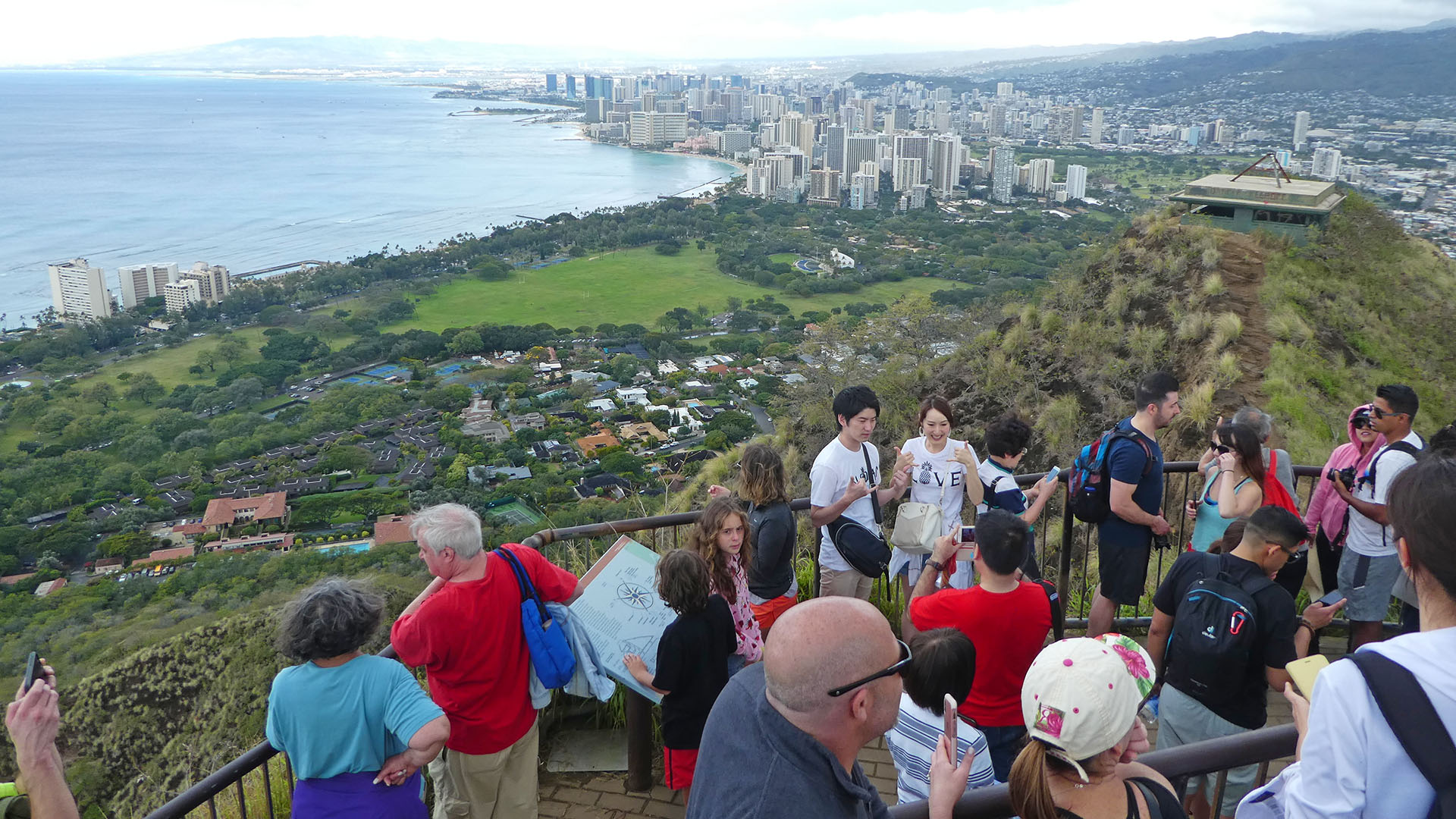
Diamond Head is a volcanic tuff cone (dormant), a national natural monument and a very touristy place. Doing a relatively easy hike (for Swiss standards) from the inside of the crater up to the cone rewards you with great views over Honolulu.
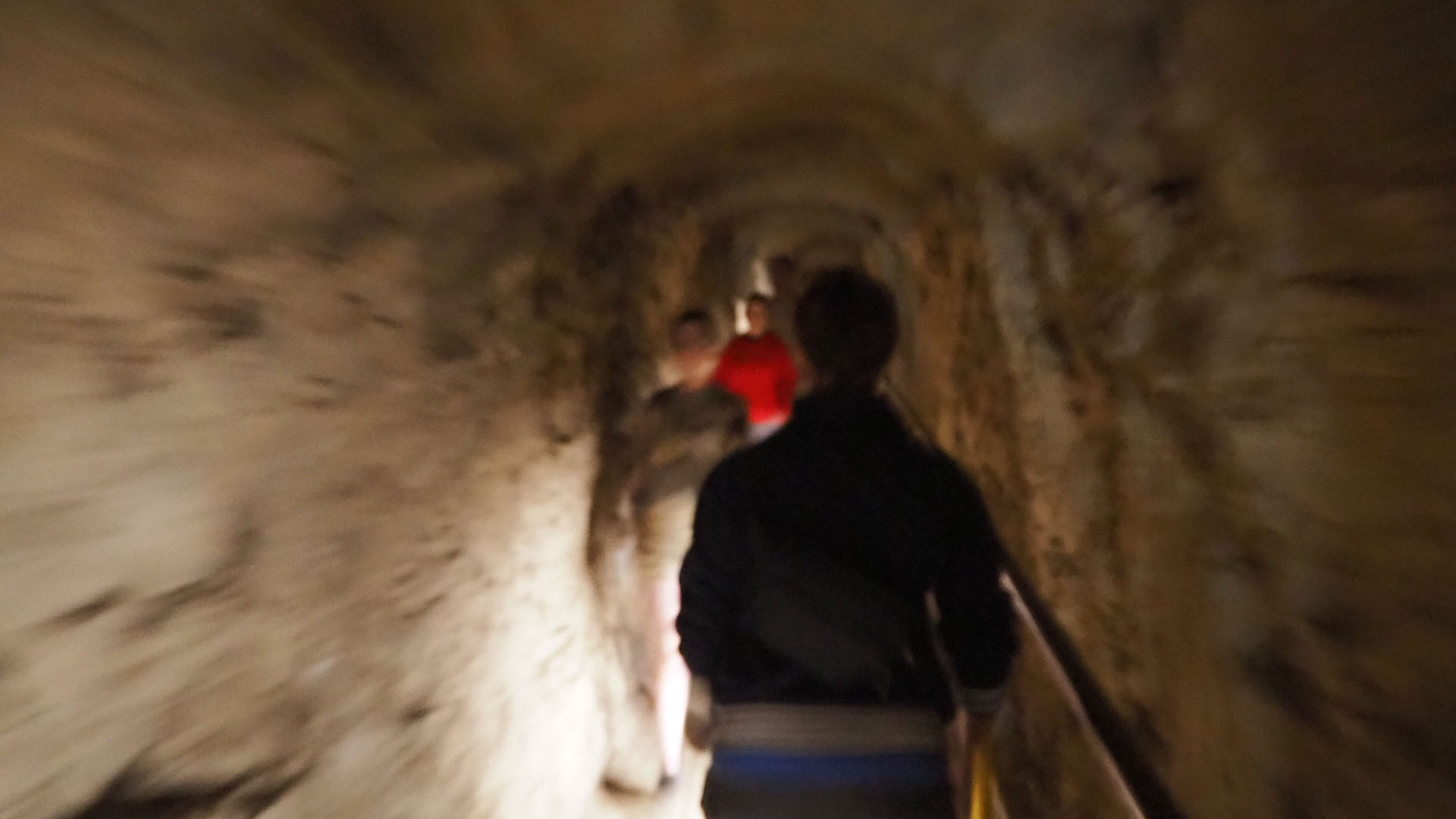
Tunnel up to the rim (nowadays with lights)The “behind the scenes”-picture