Haleakala Sunrise

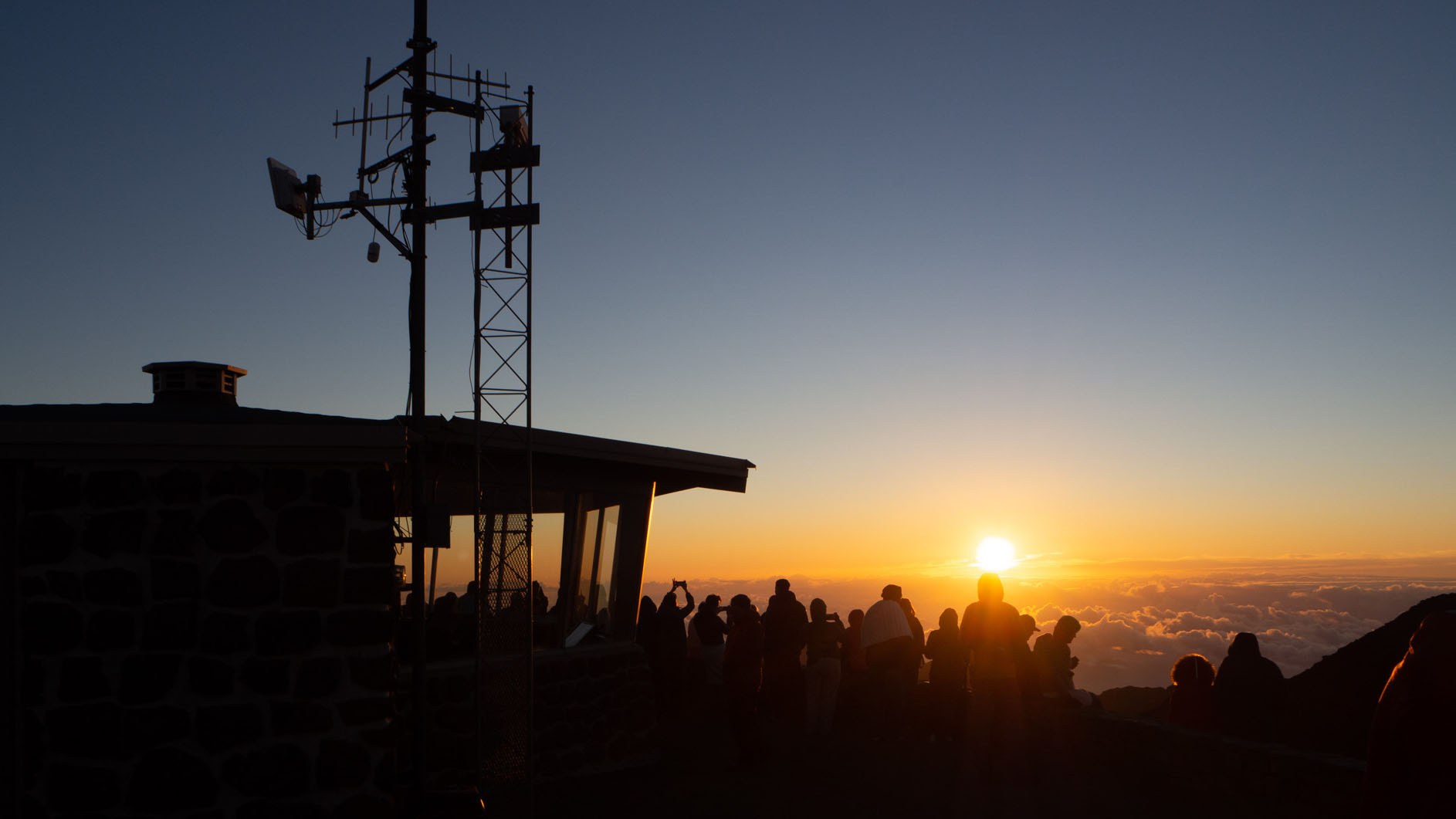
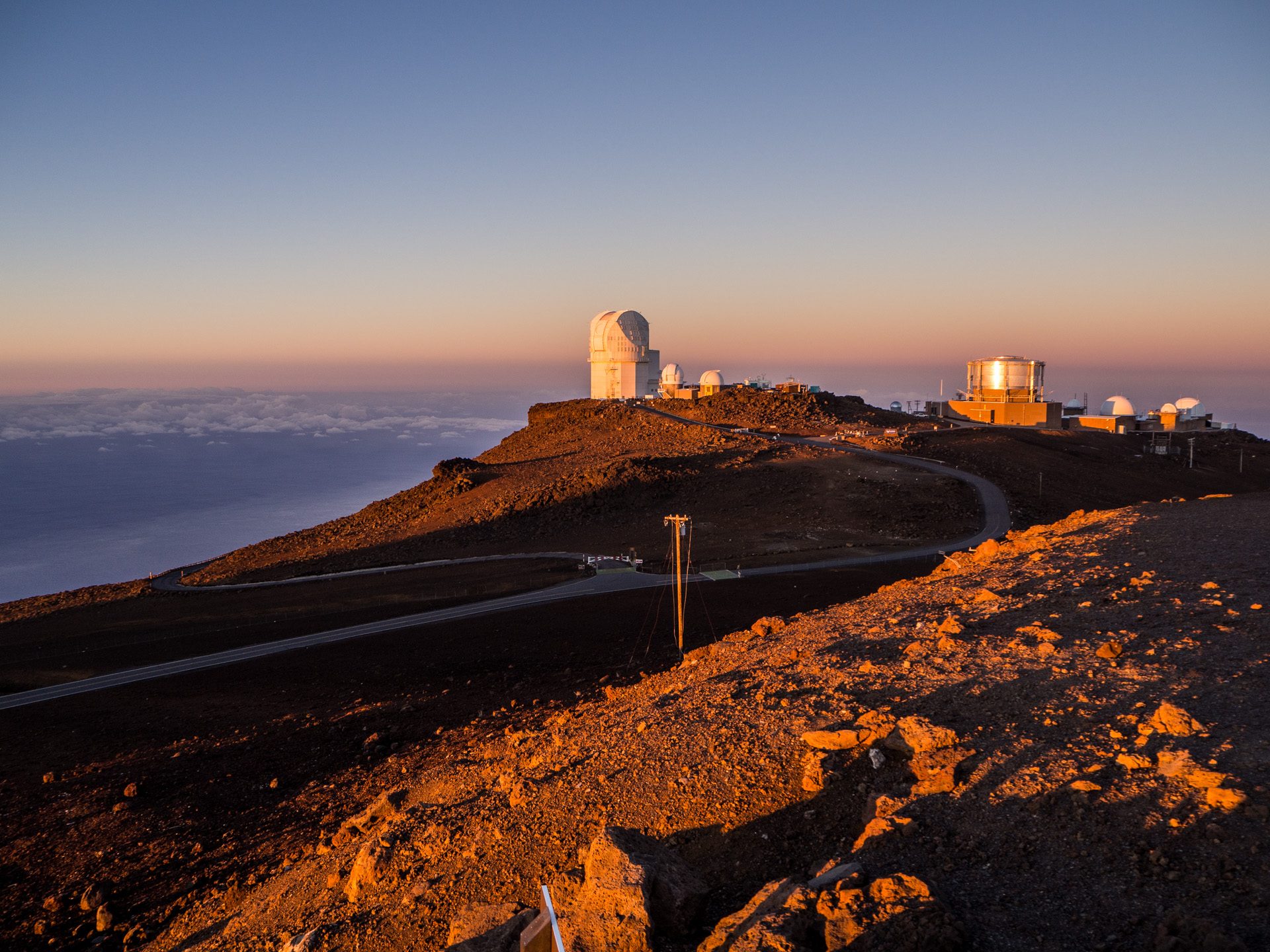
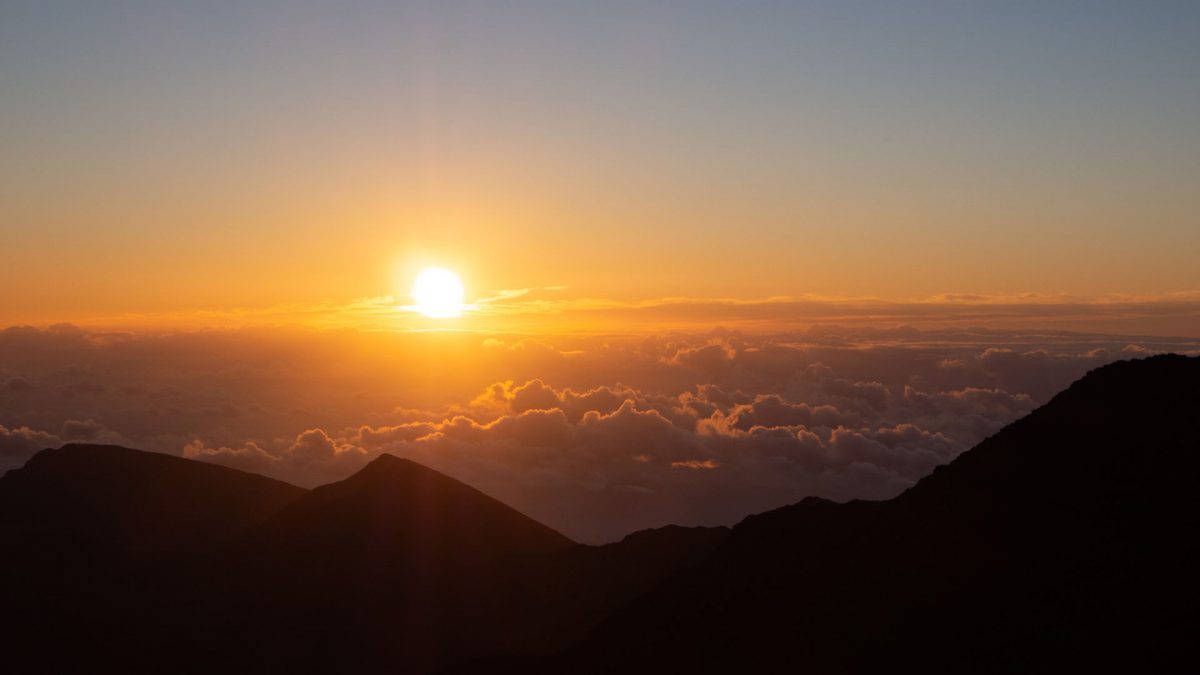
Sunrise on Haleakalā has become so famous that crowds were fighting for a few parking slots on the summit of the volcano. Nowadays access to the summit between 3 and 7 A.M. has been limited. Fortunately, we got one of the few last-minute registrations two days ago. It didn’t change the fact that you need to get up early for the sunrise: we set our alarms to 3 A.M. and reached the summit at around 5 o’clock.

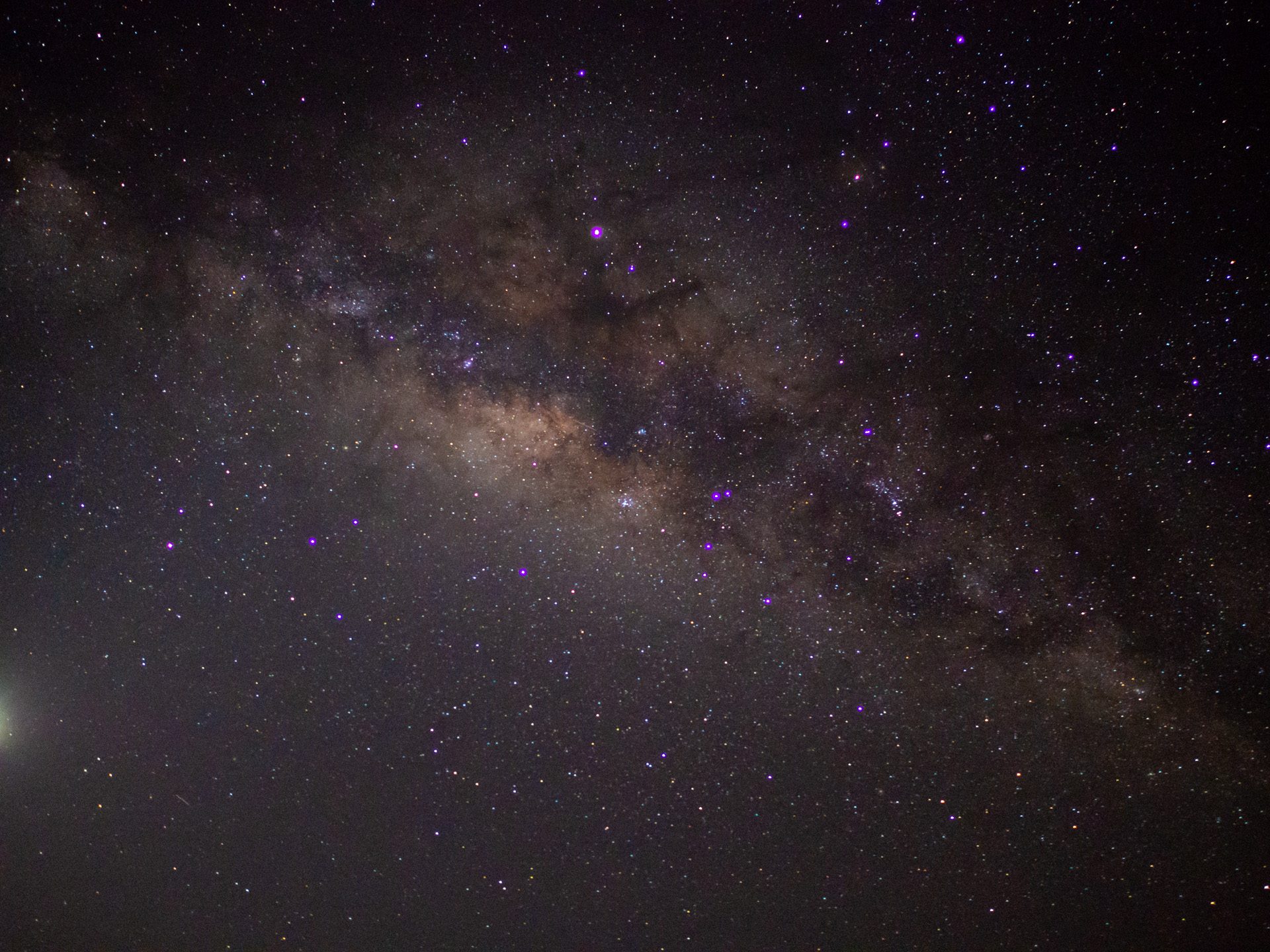
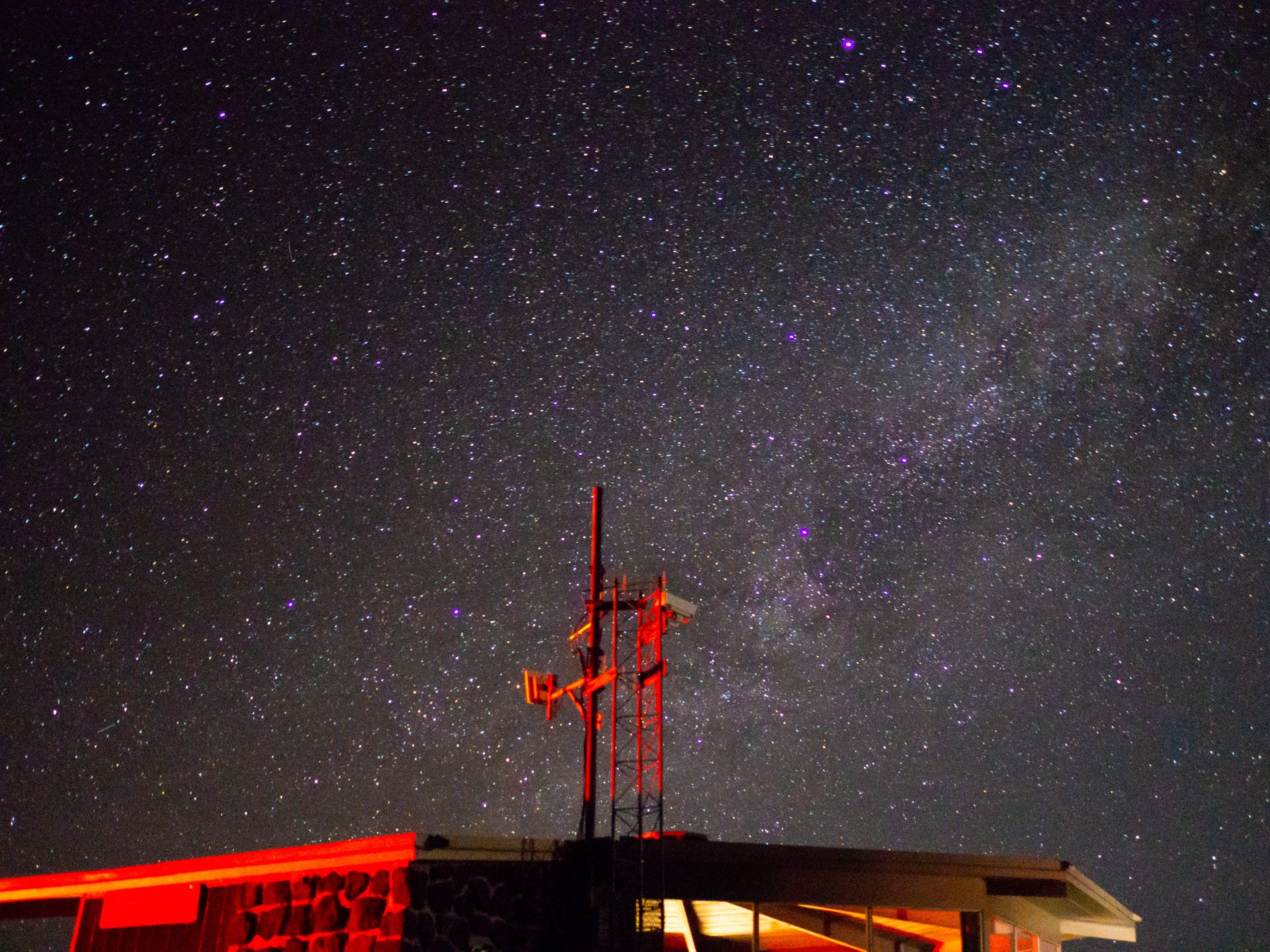
It was freezing cold at 3’055 m.a.s.l. and a bit early for sunrise, but right on time for a few astrophotography pictures.
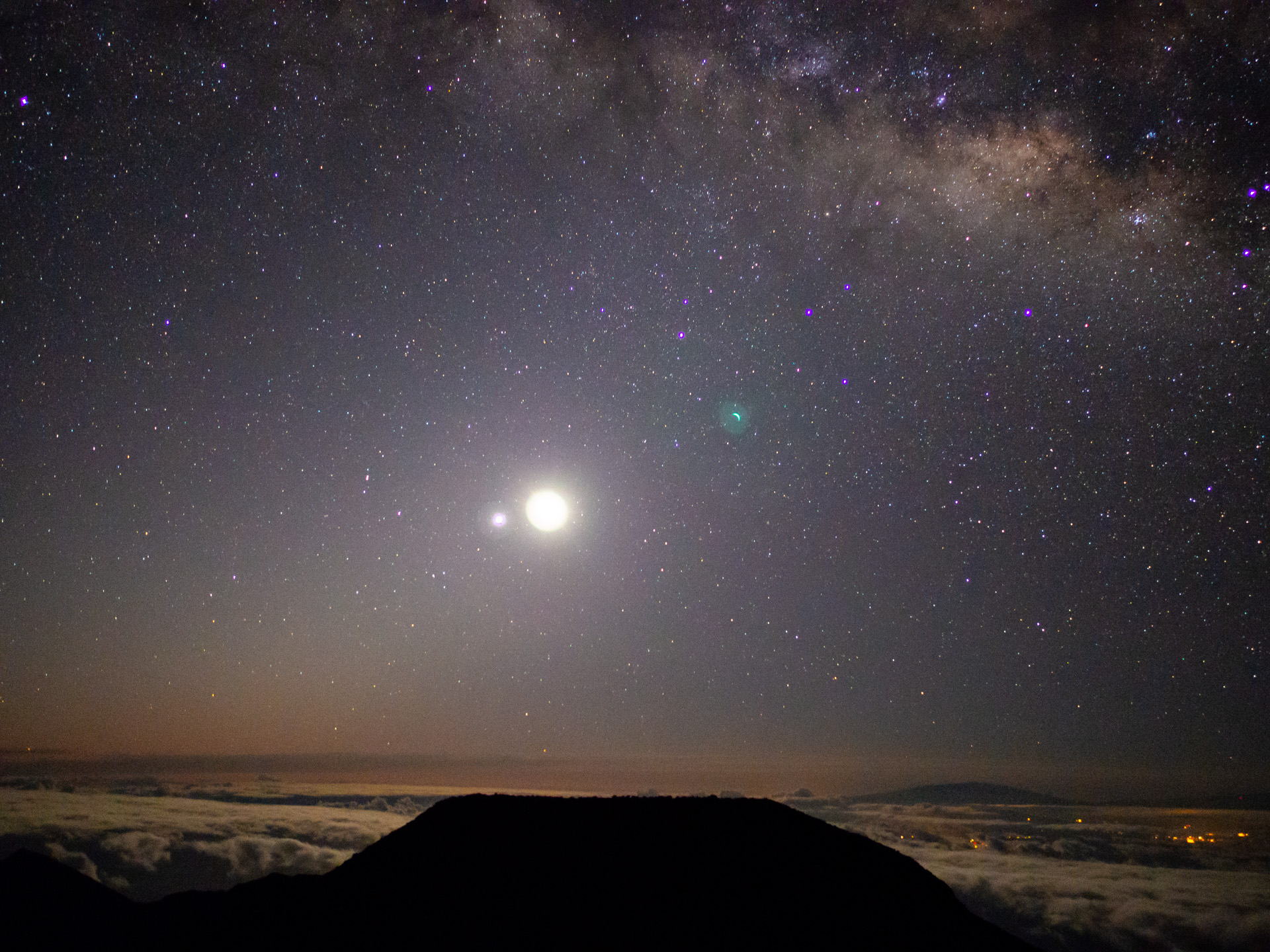
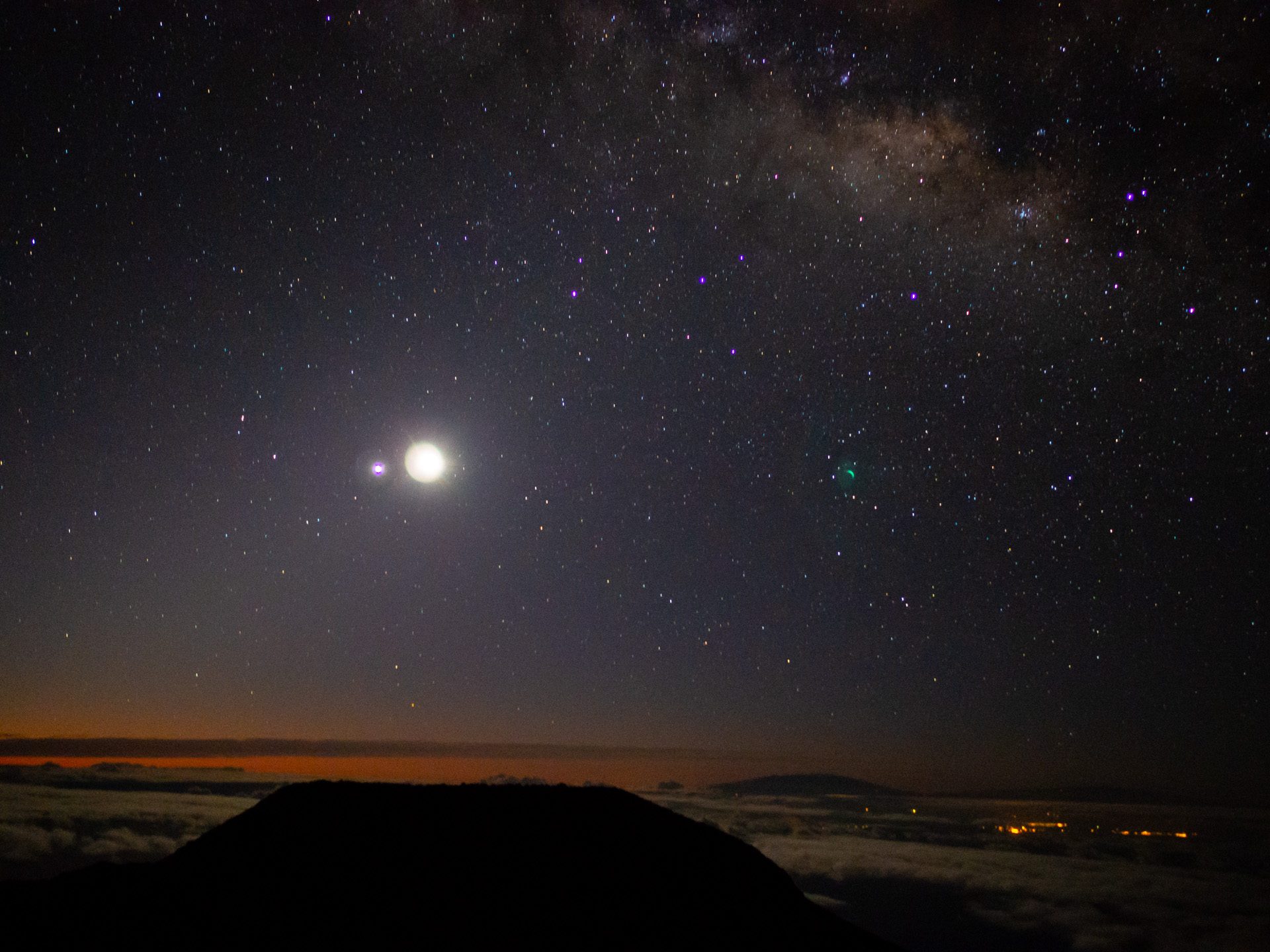
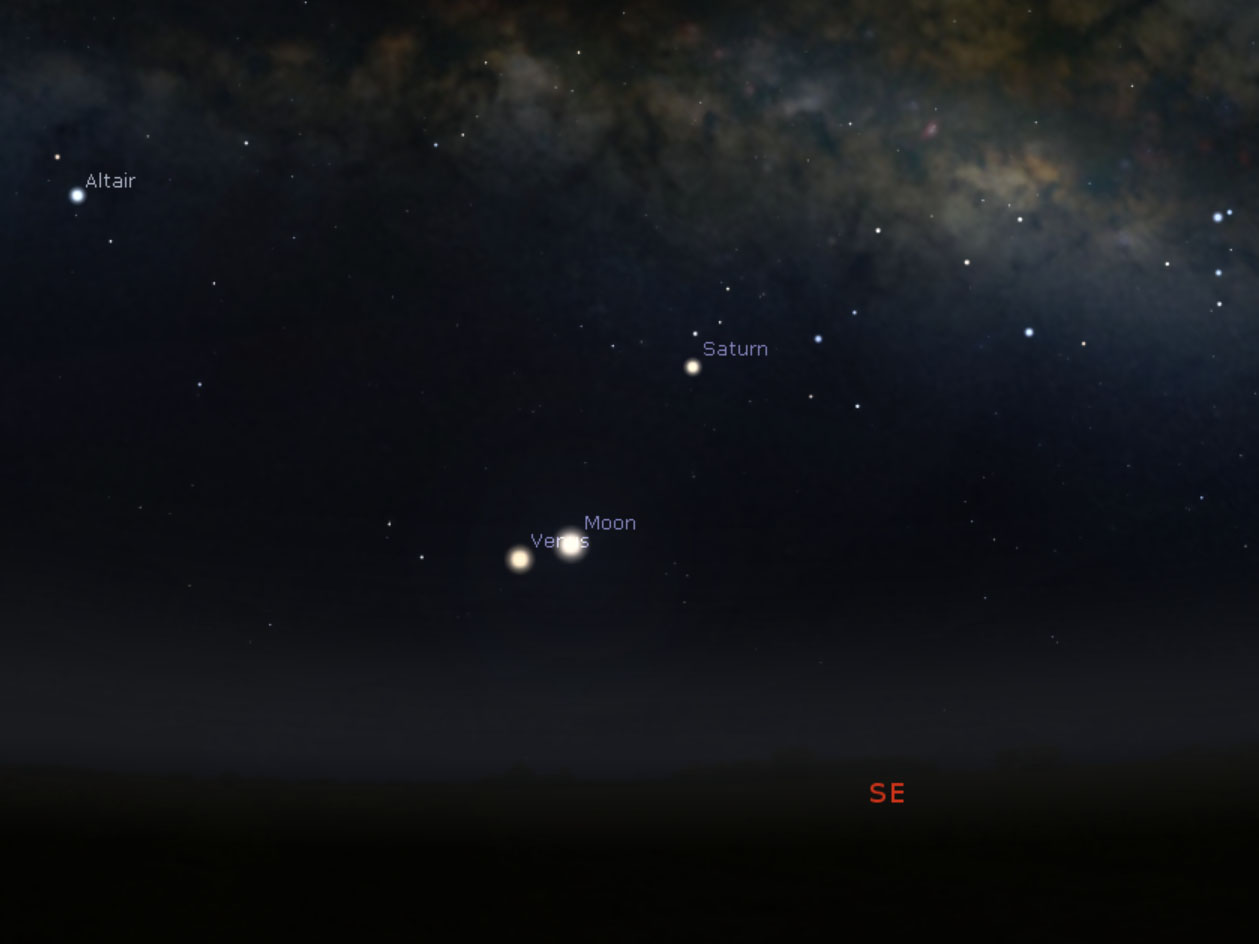
Moon (center), Venus (to the left), Saturn (green object to the right), clouds, crater, beginning dawn and the Milky Way… proud of this shot! 🙂

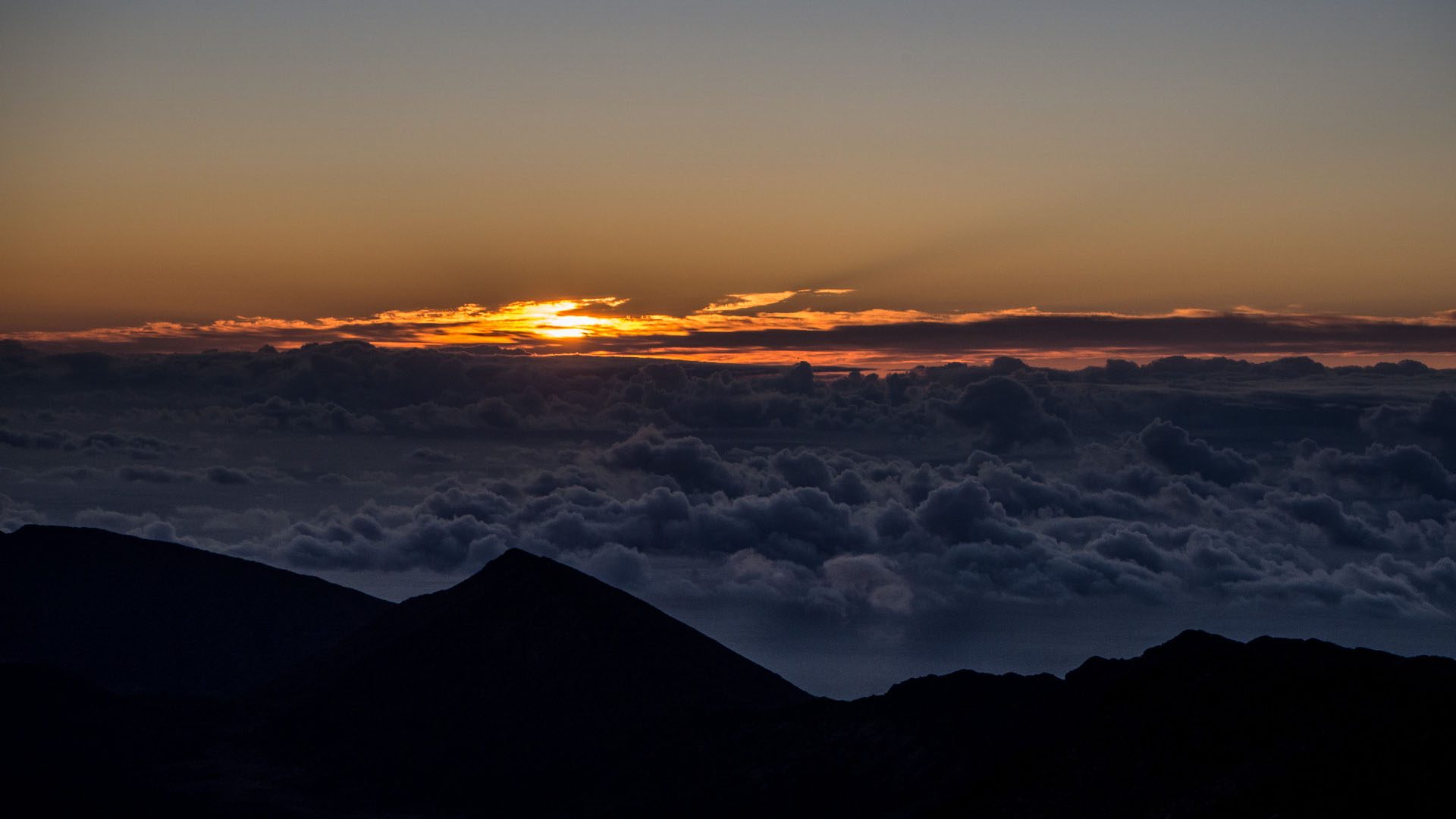
After a quick warm-up in the car (that could be misinterpreted… 😉 ) we rejoined the sunrise viewers at 6 A.M. with the beginning dawn. It really was a wonderful experience to see the sky changing colors. Again, clouds make the difference, without them it might have been much less spectacular.
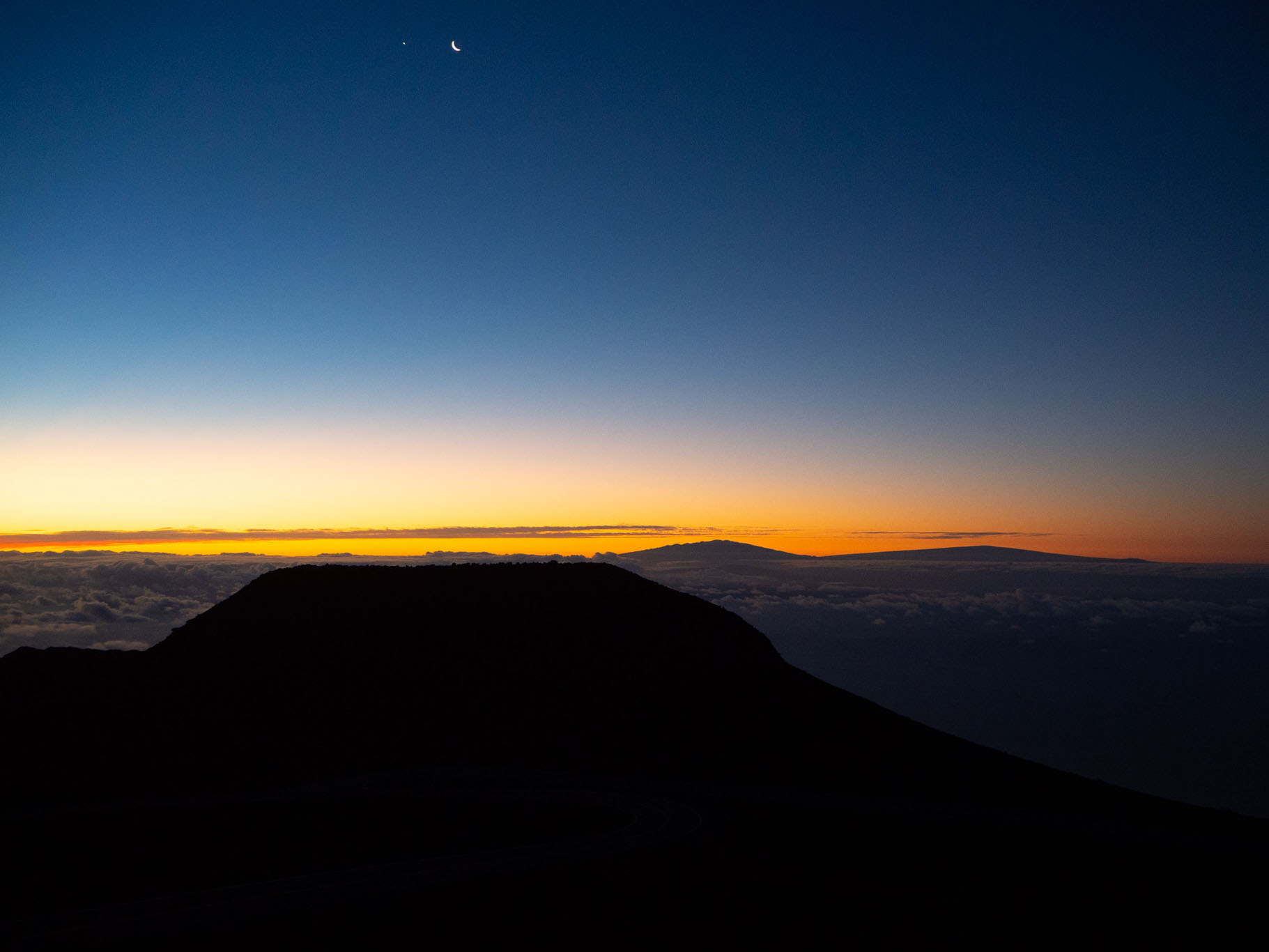
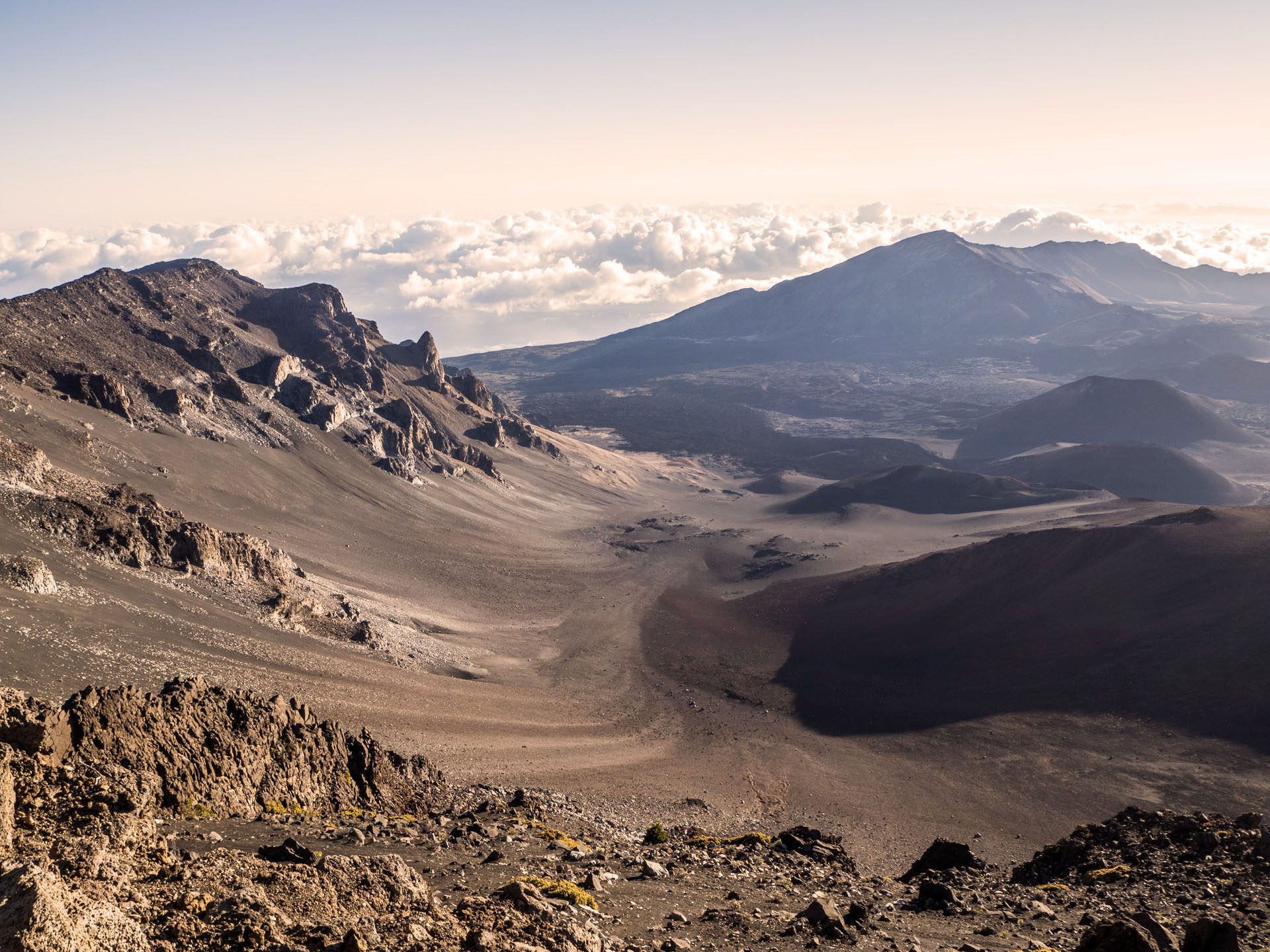
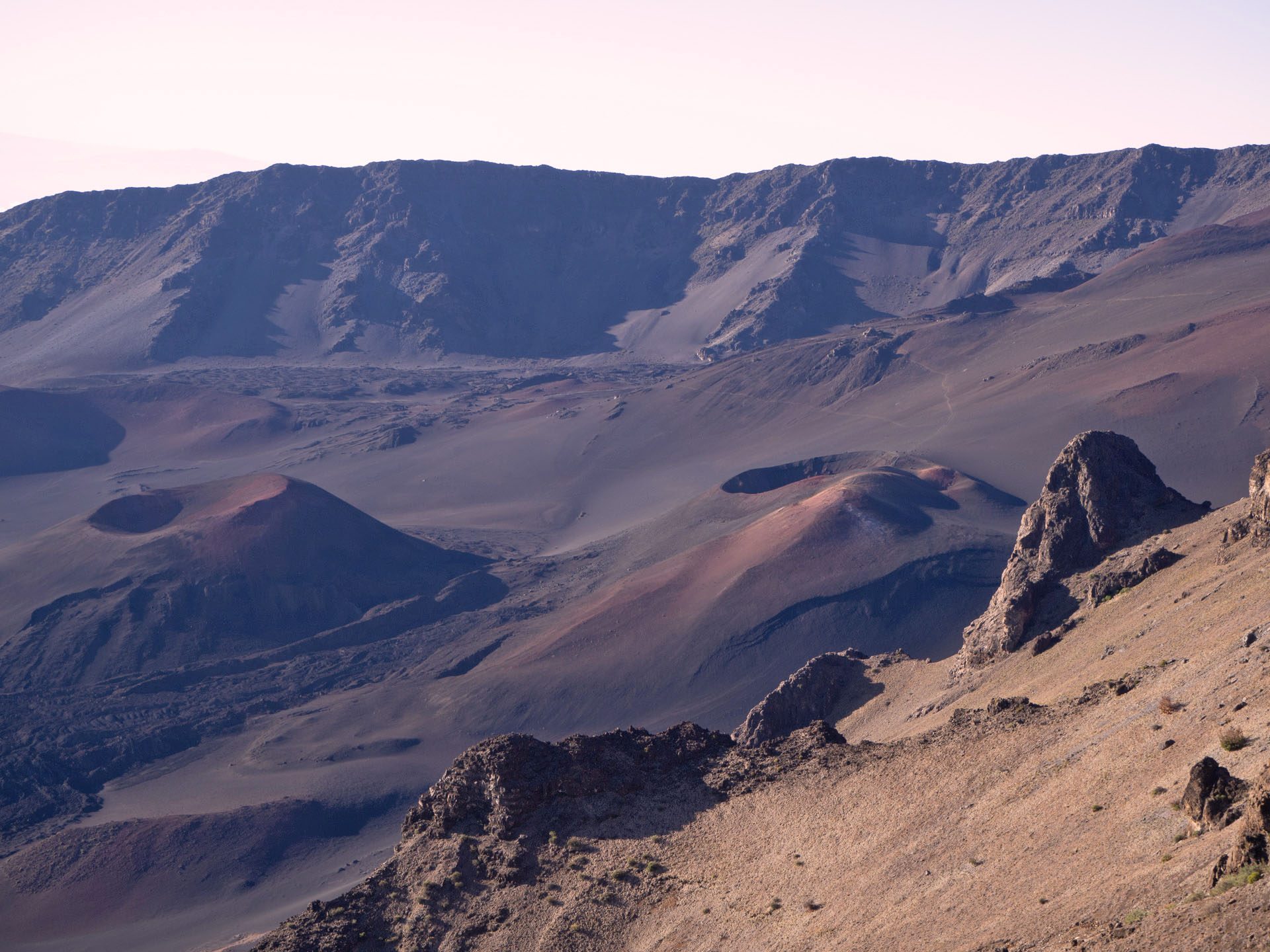
With the sun and temperatures rising we checked other overlooks and did a part of the Halemau’u Trailhead to the crater.
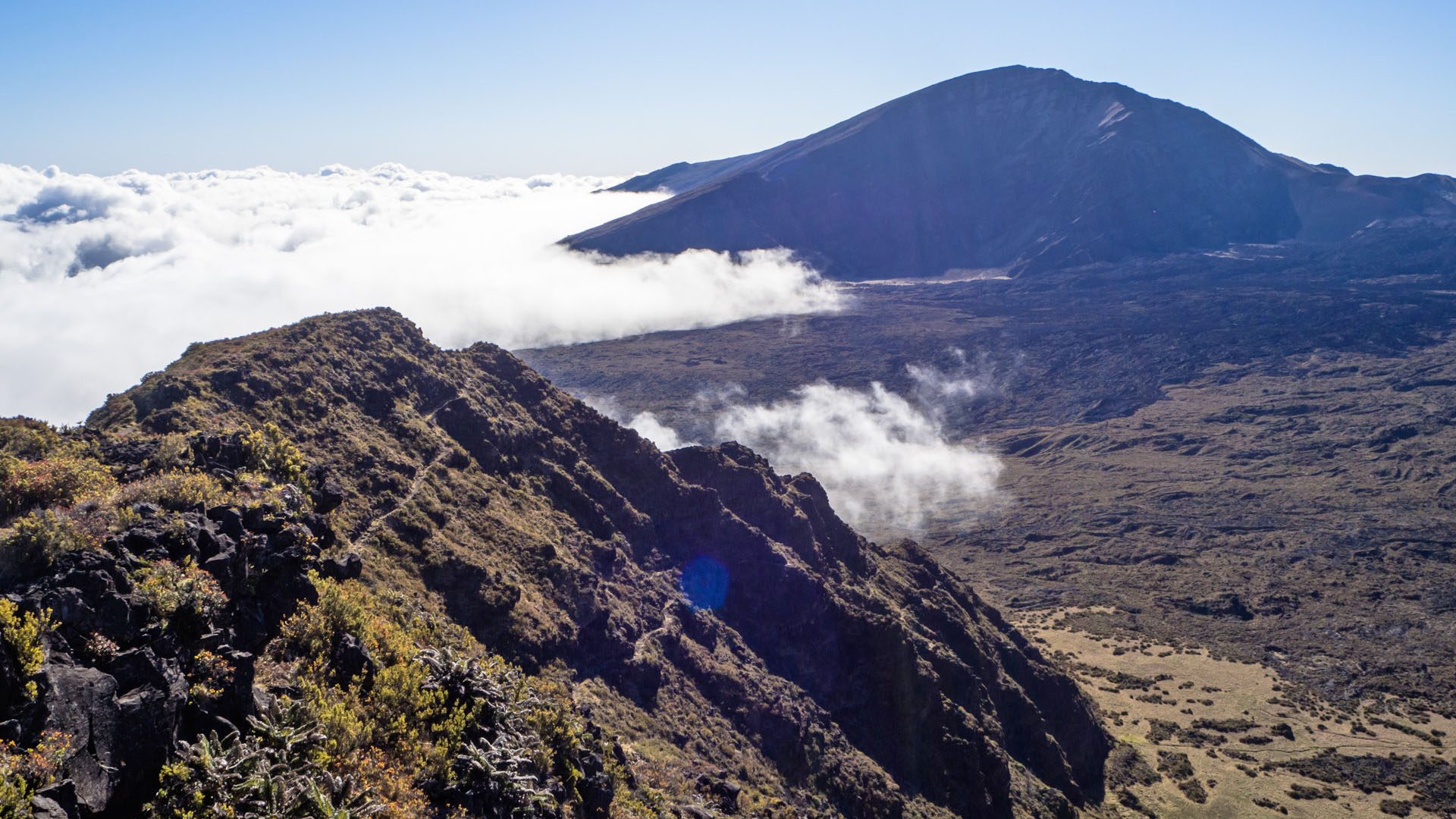
Volcanoes National Park

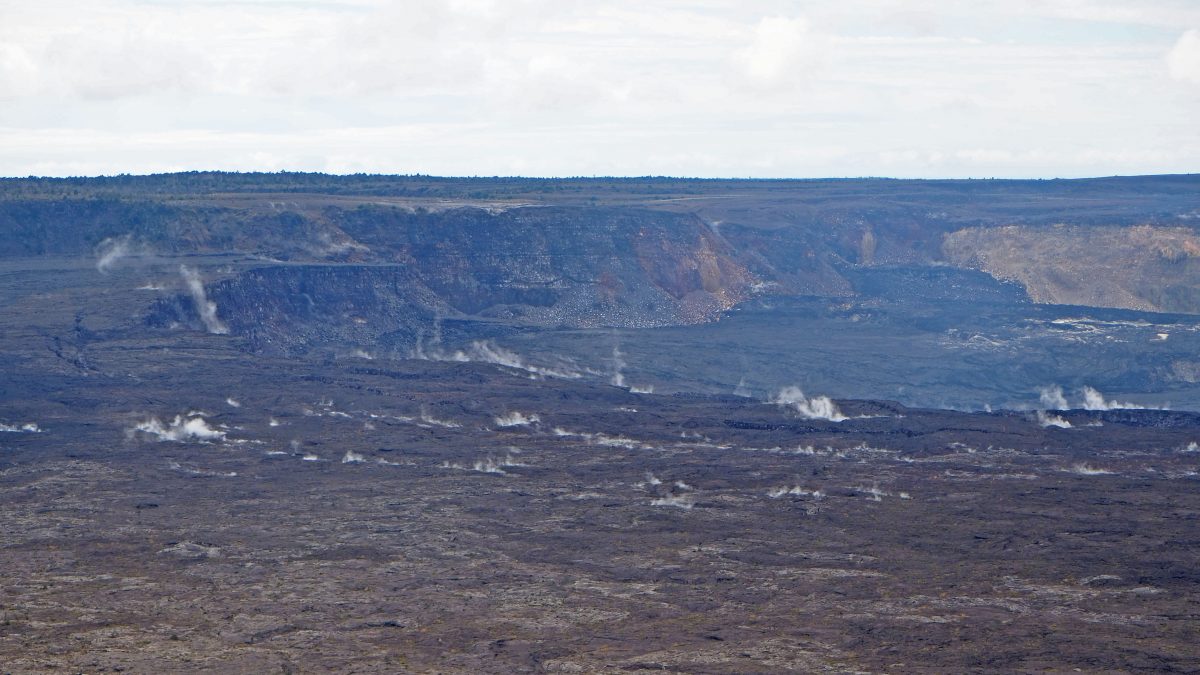
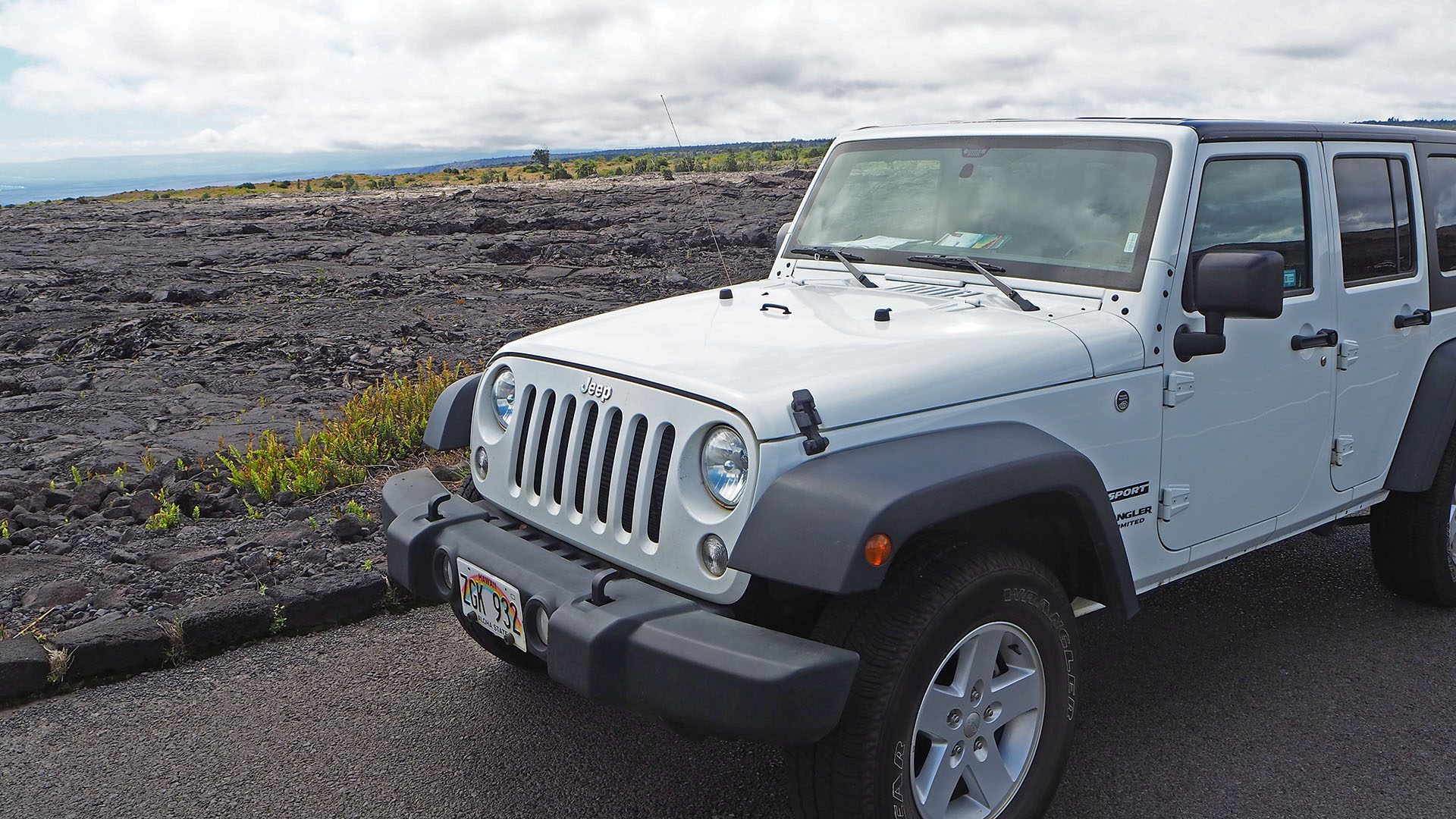
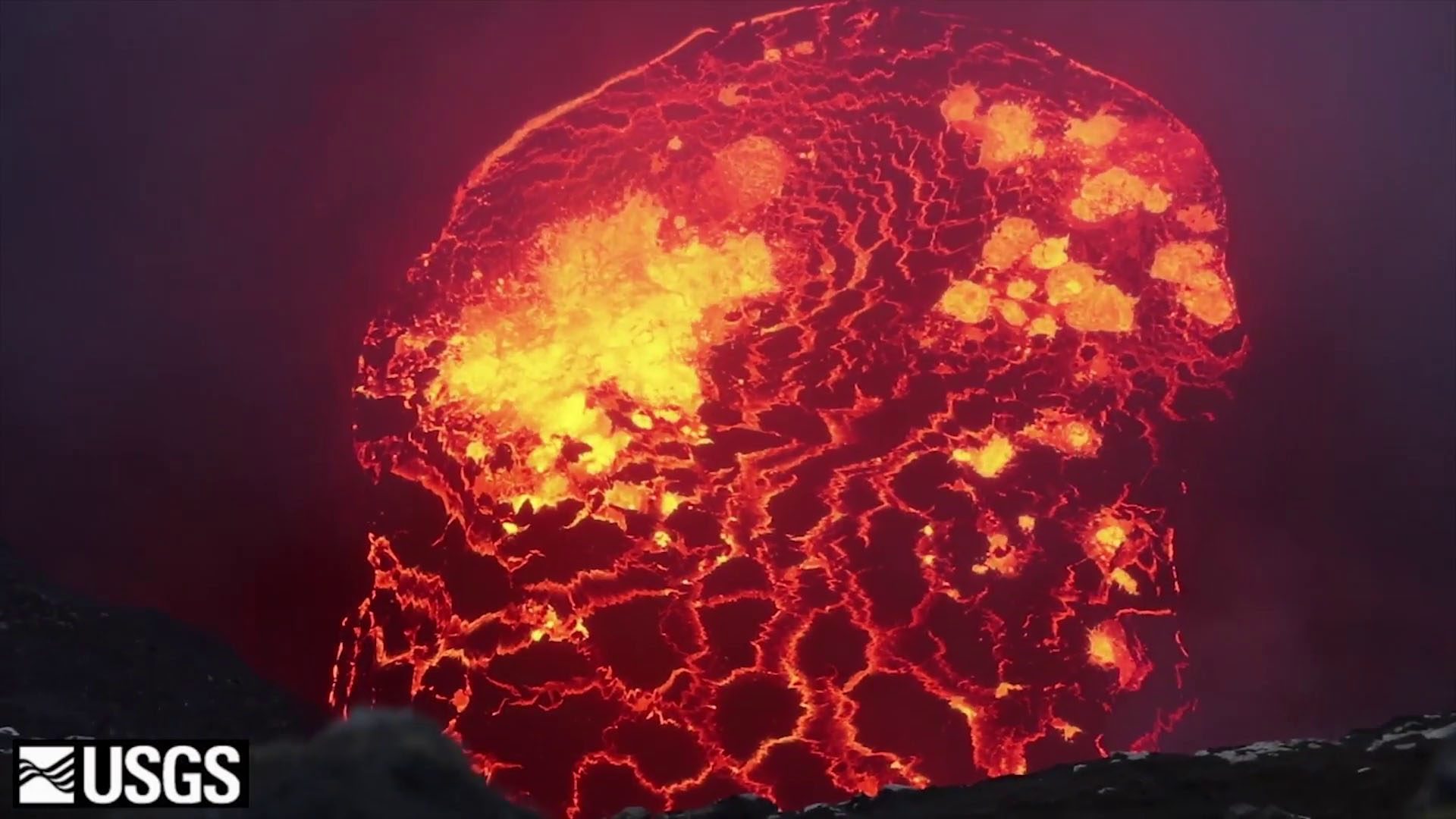
At time of booking the Volcanoes National Park would have been one of the very big highlights of our trip, as places with volcanic craters, a lava lake and active lava flows, while still being easily accessible, are hard to find elsewhere in the world (therefore this place is also called “drive-in volcano”).

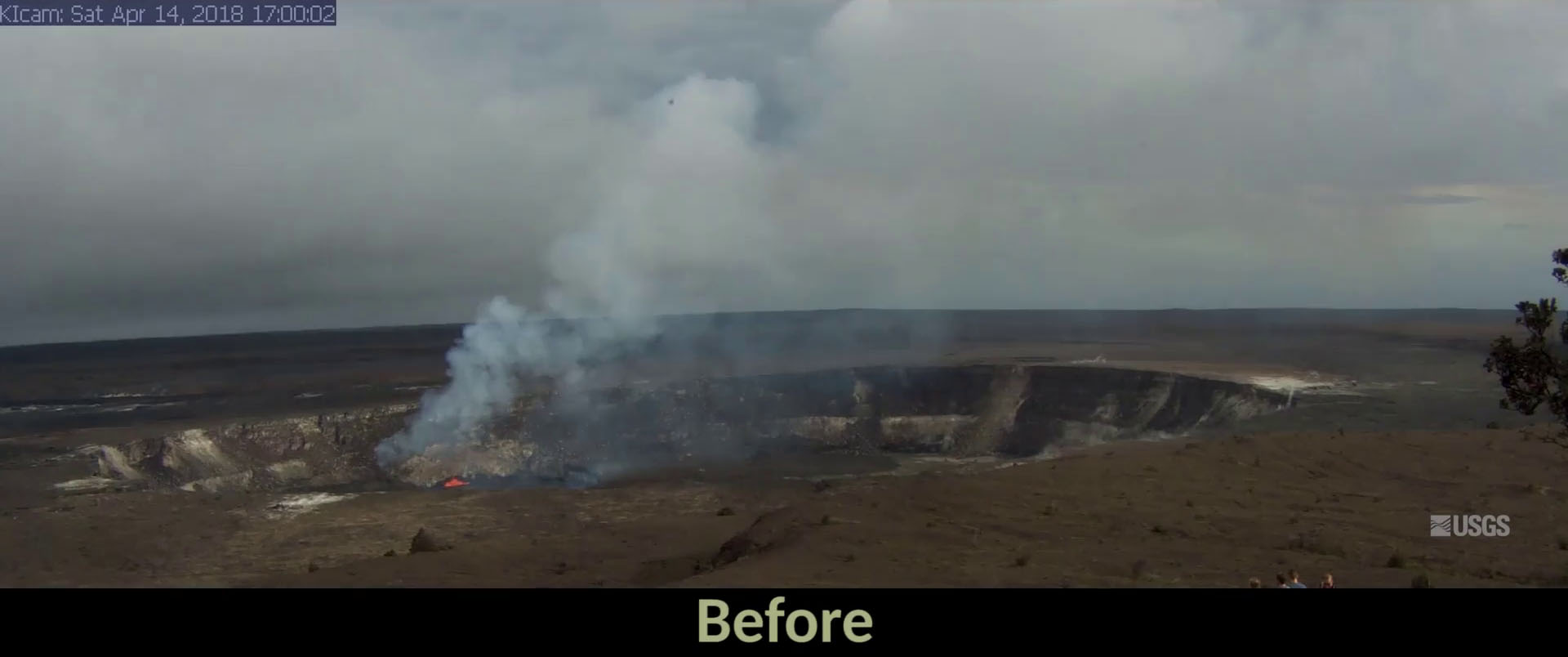
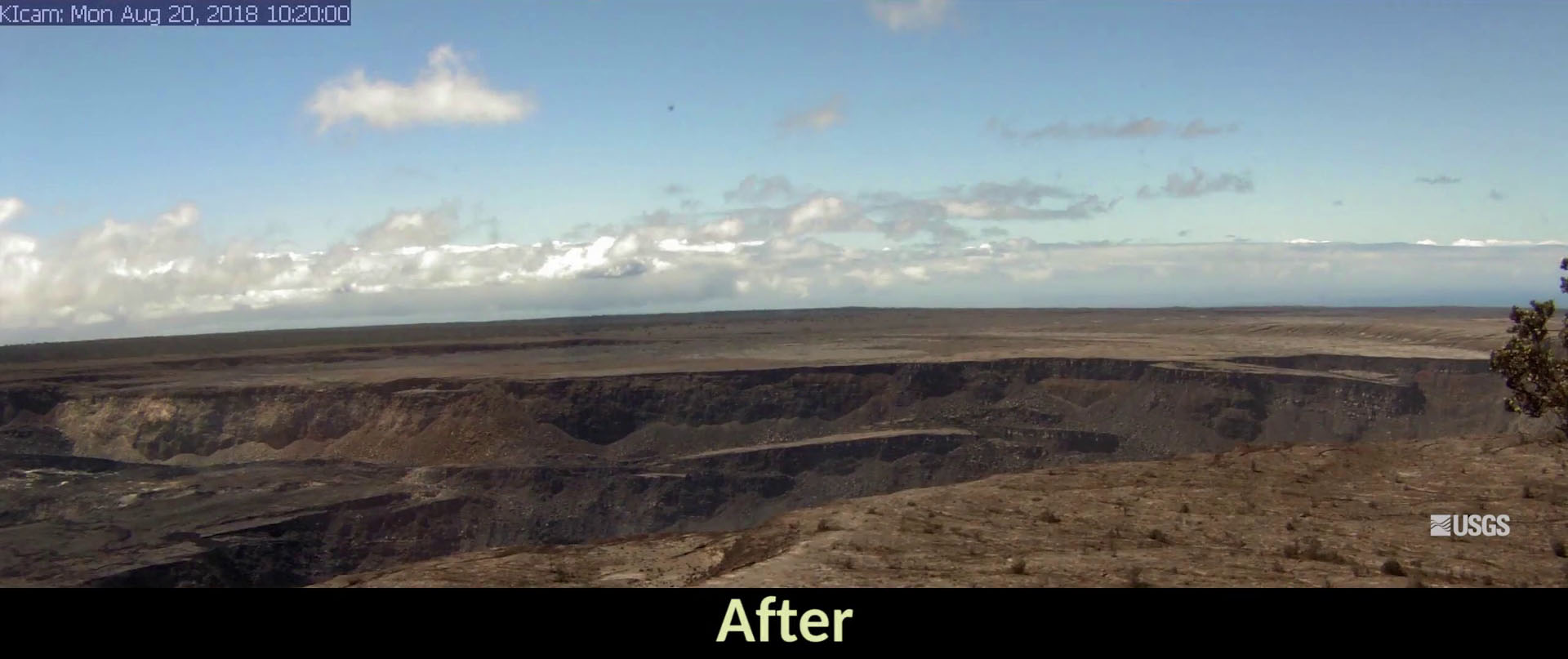
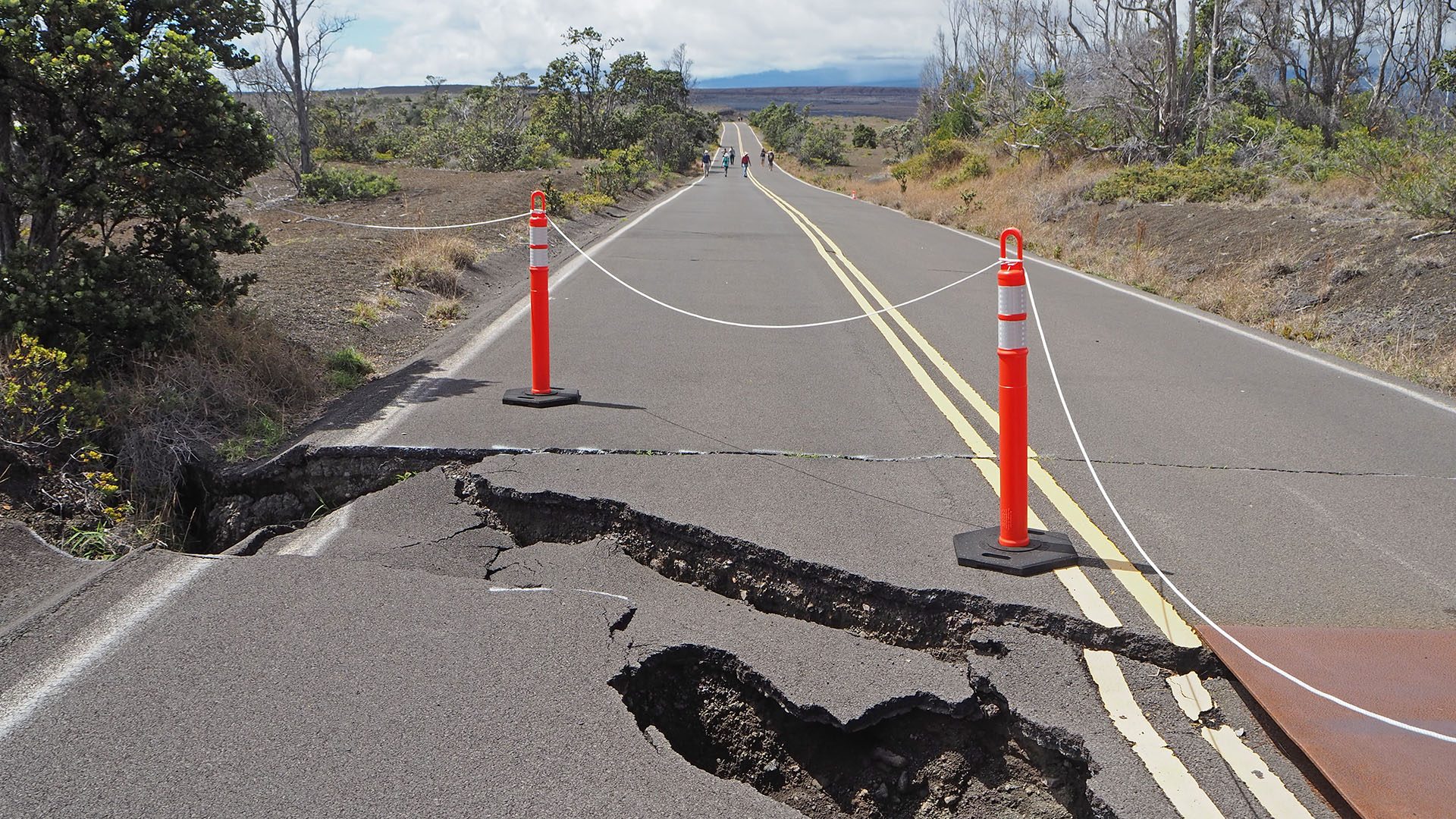
Now, the park changed quite a bit between May and July 2018:

“Beginning in May, 2018, the lava lake that existed inside Halema‘uma‘u crater disappeared and lava flows from Puʻu ʻŌʻō crater have ceased. There is no molten lava or lava glow to see anywhere in or out of the park.”

A highly recommended movie about the events here:

https://www.nps.gov/havo/planyourvisit/lava2.htm

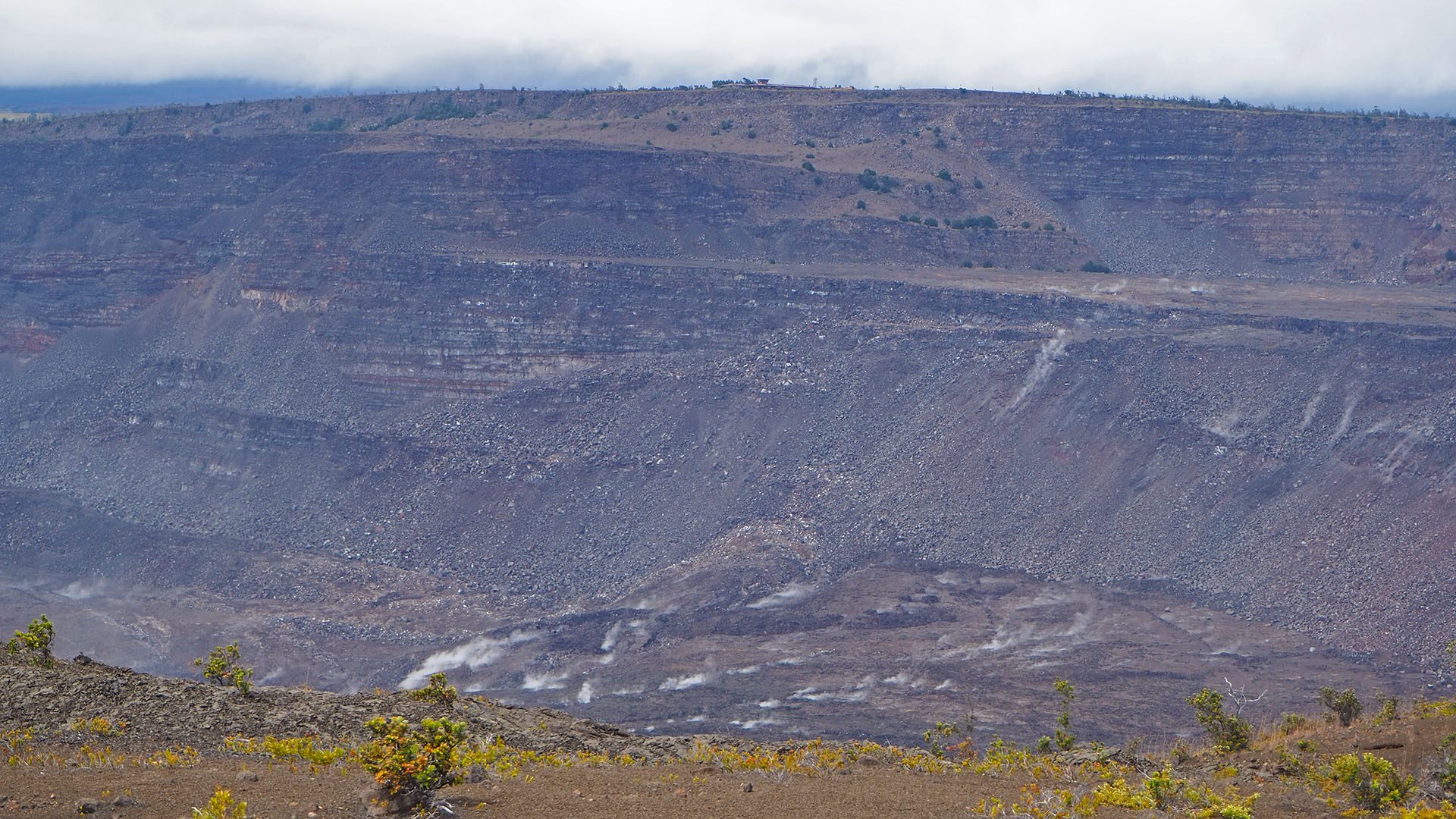
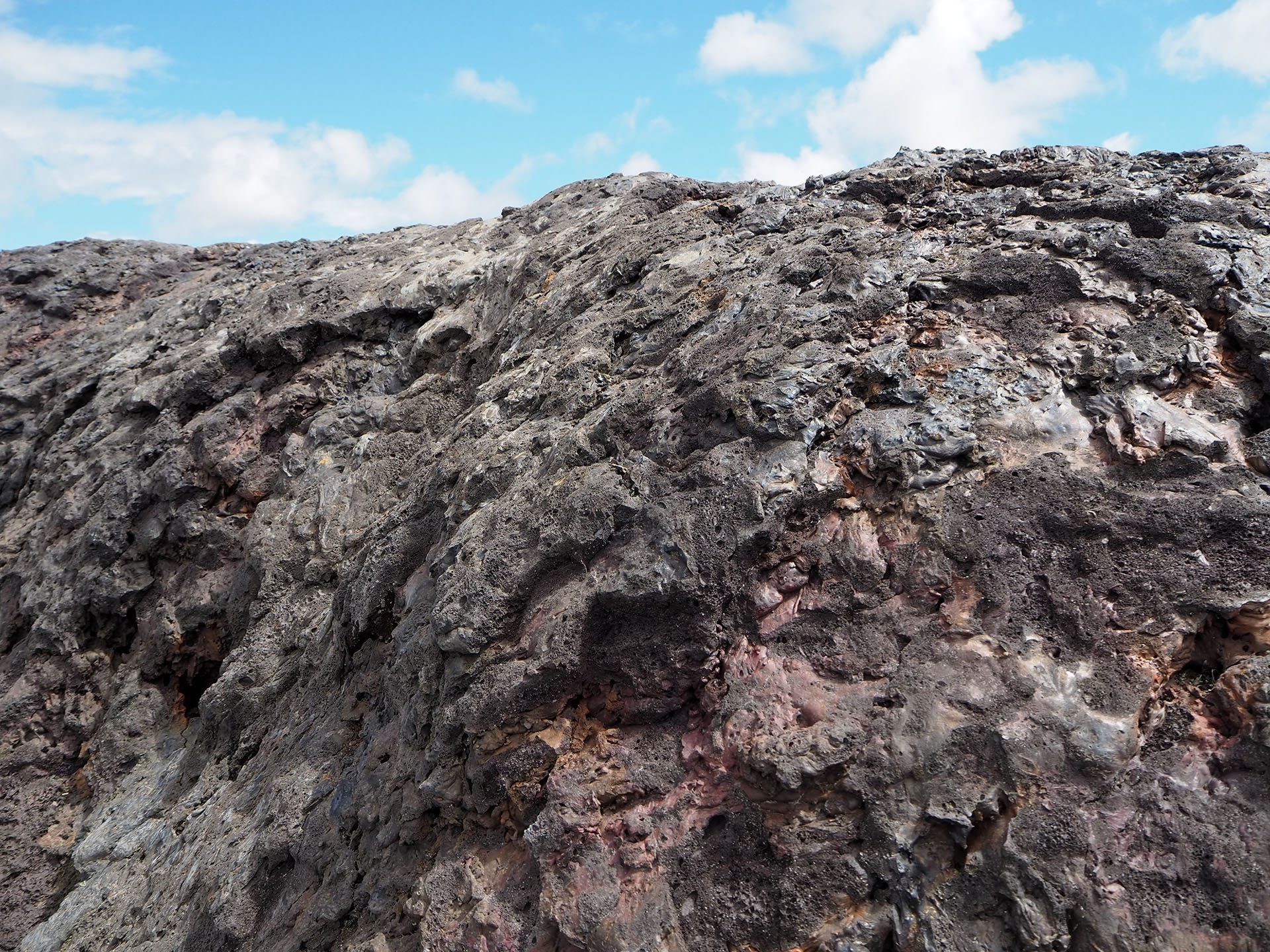
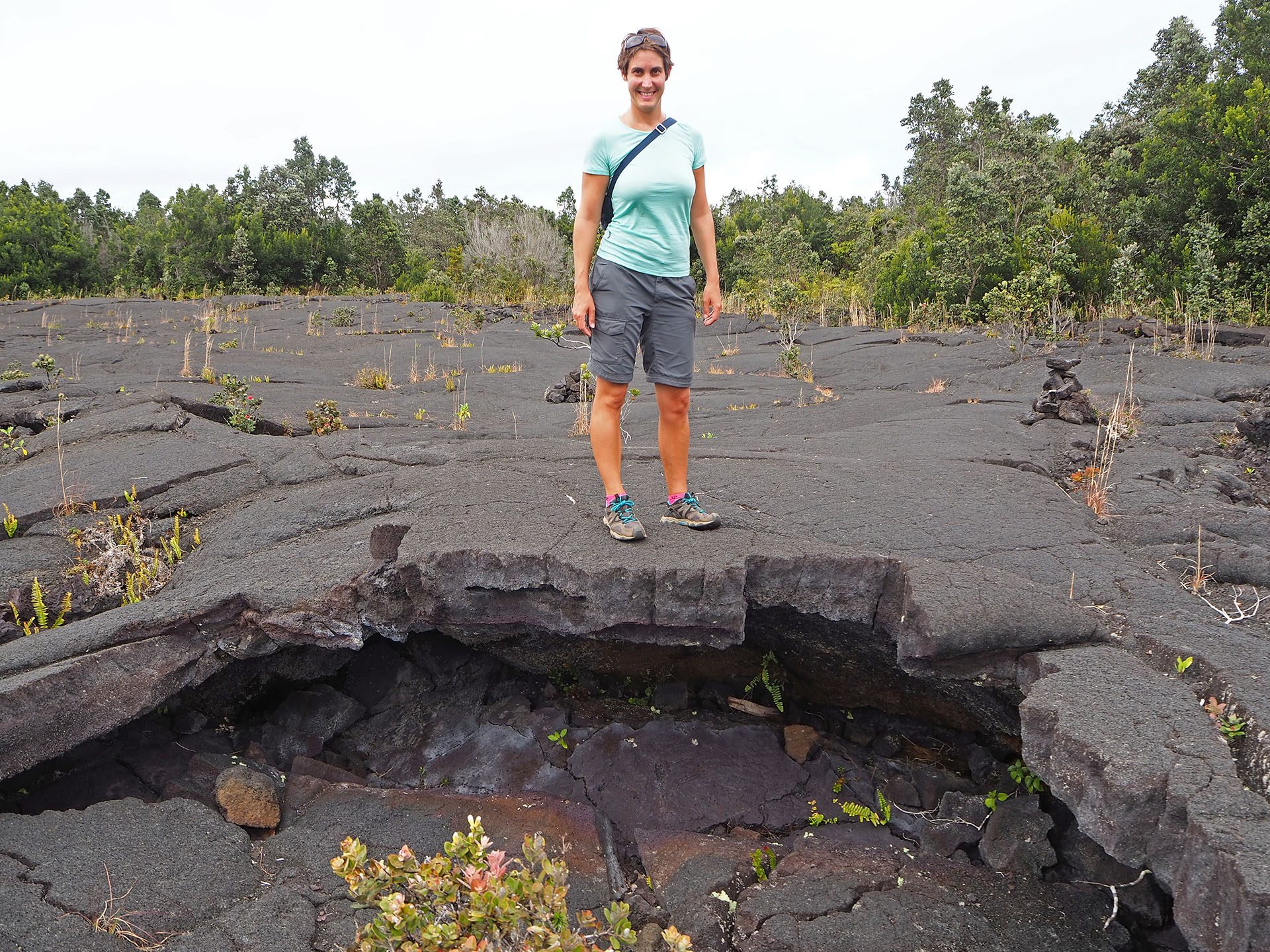
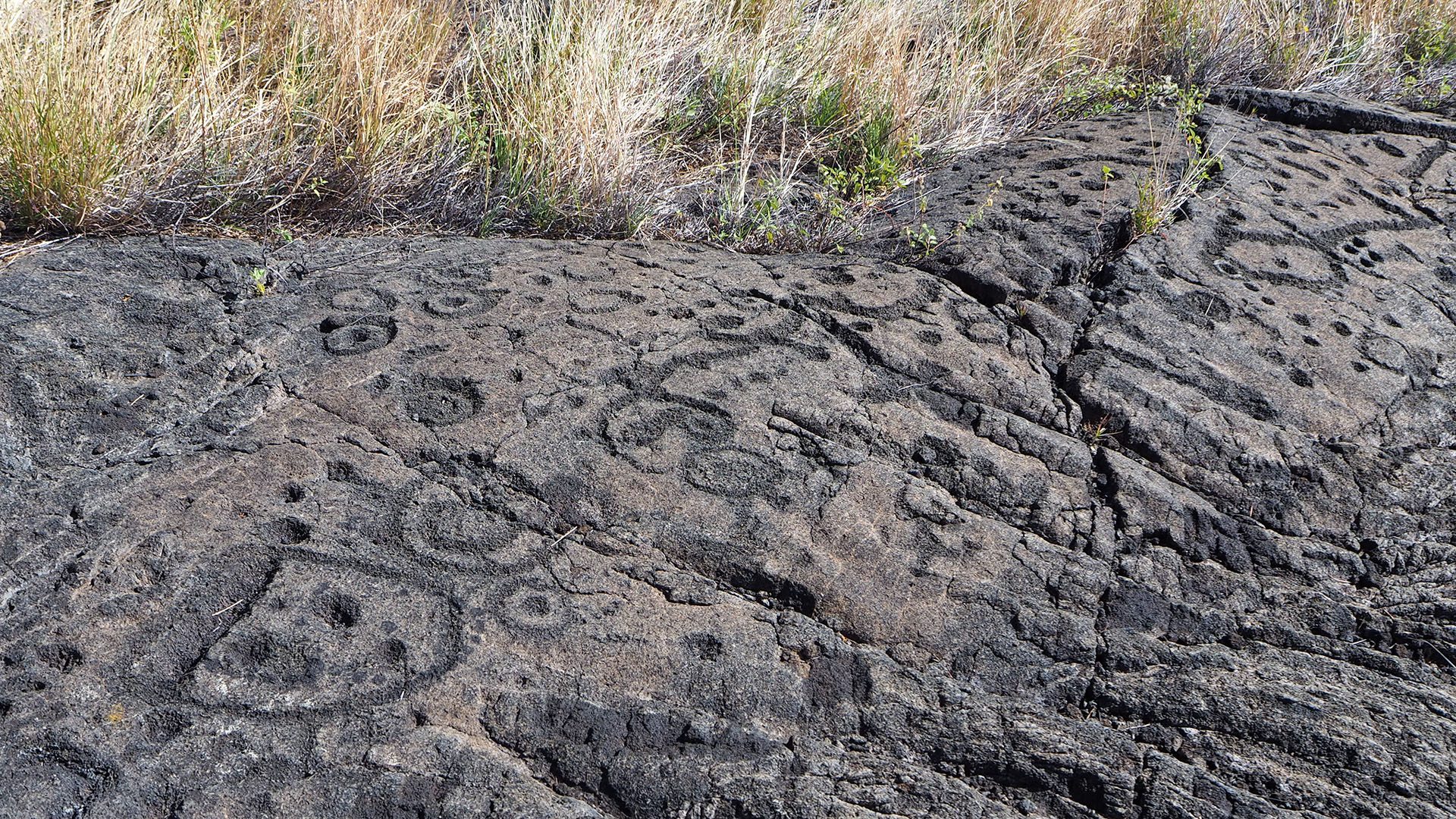
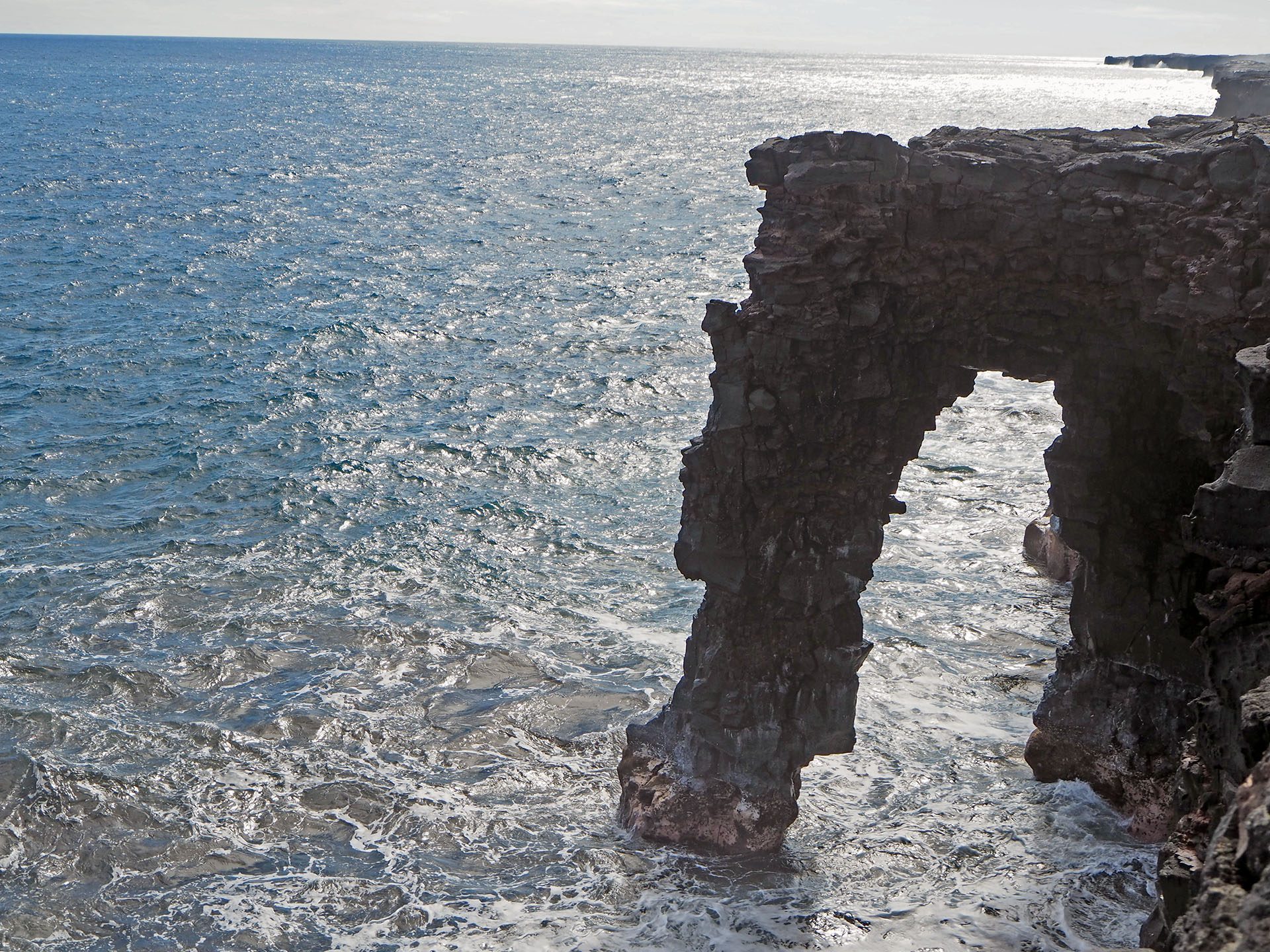
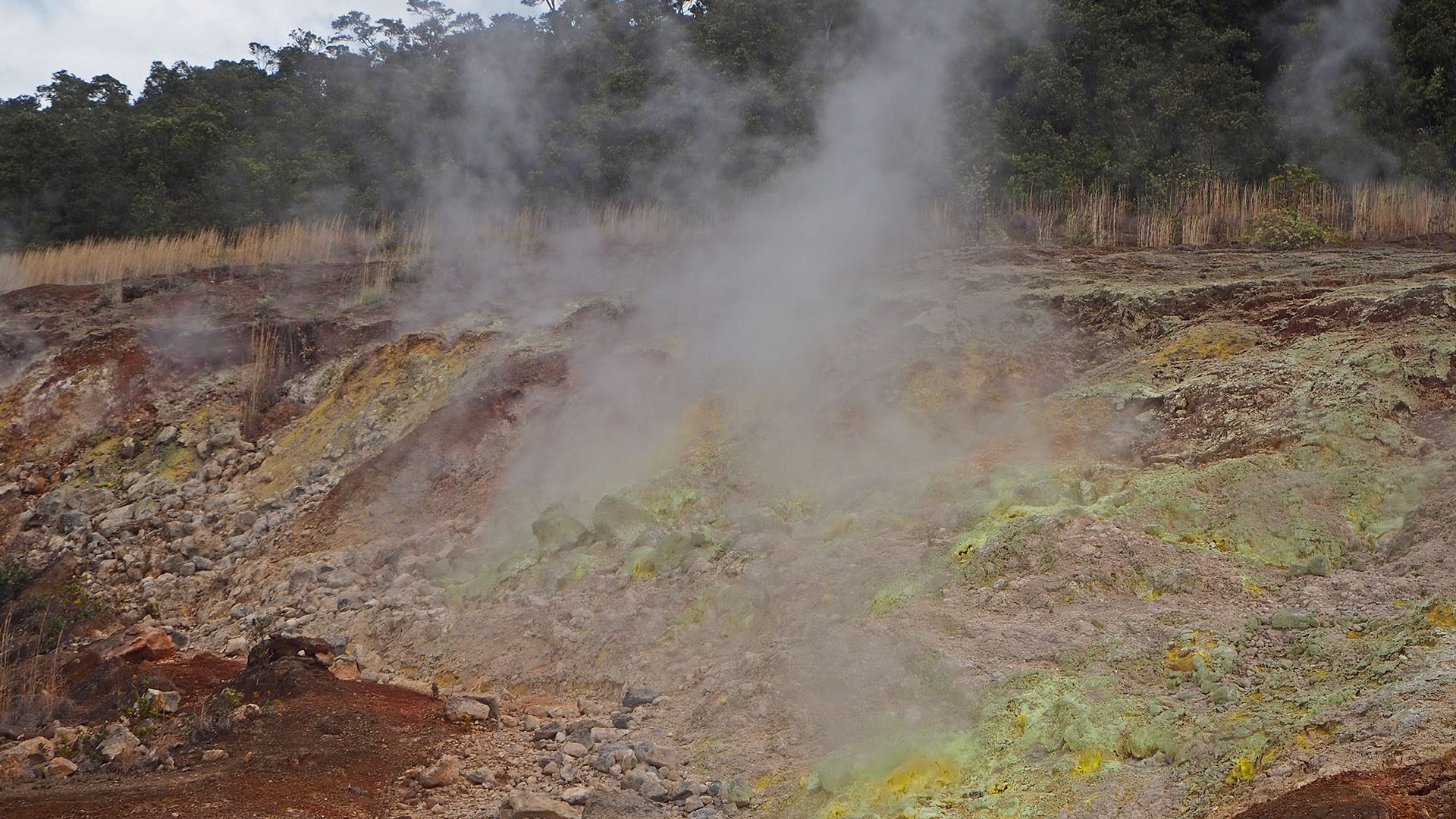
But on the positive side, the park had re-opened (after another closure due to government shutdown in January, just a few weeks before our visit). Even without molten lava the park was still worth a visit: the Kilauea Caldera is still impressive. The views on lava flows of the 70ies are also nice to see, and a hike over the Manua Ulu eruption(s) (1969 – 1974) on hardened lava structures is a very extraordinary experience.

Around Oahu

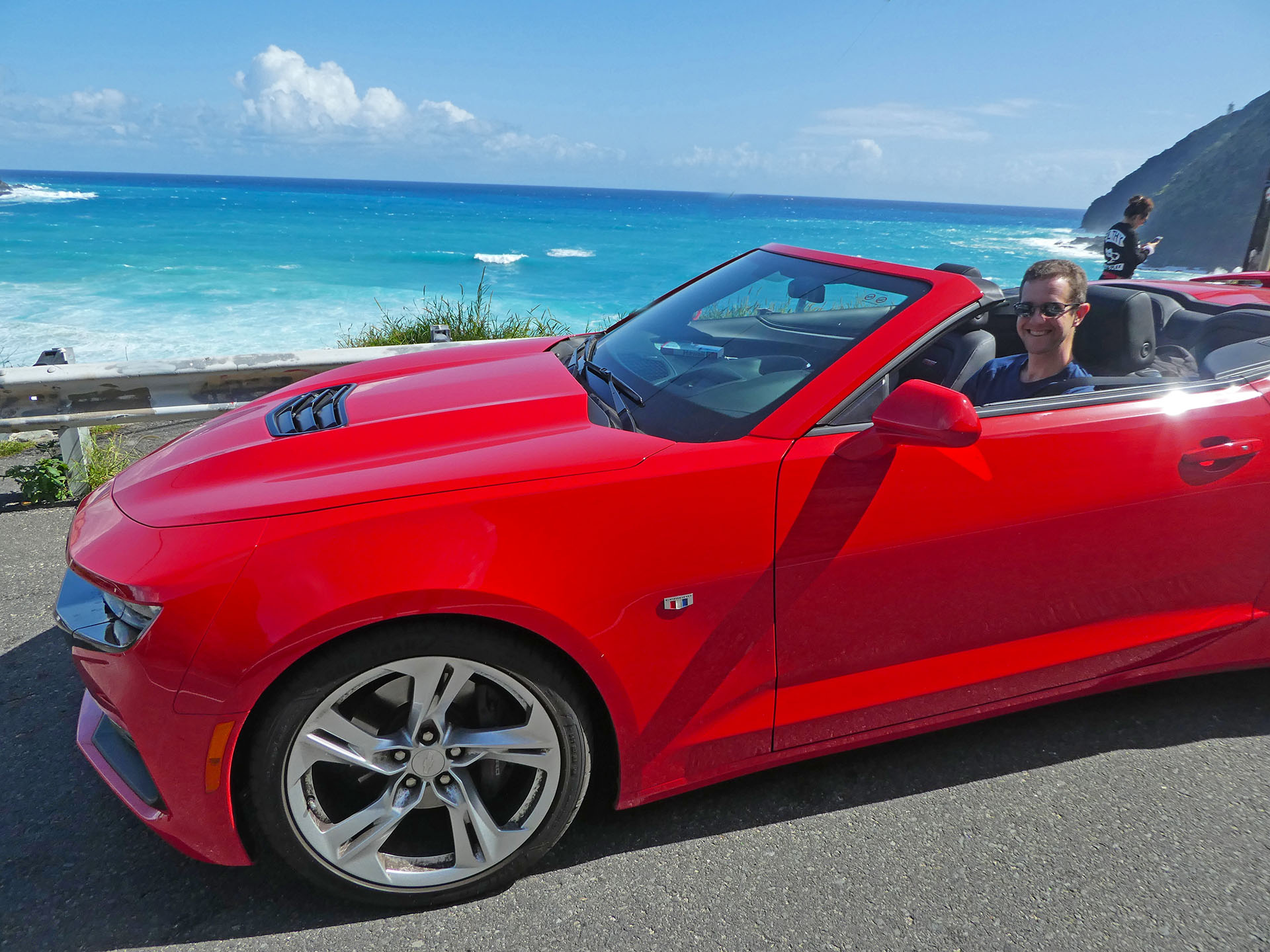
Time to use the cabrio and to explore the island Oahu.

Chevrolet Camaro – a surprise for us, too!

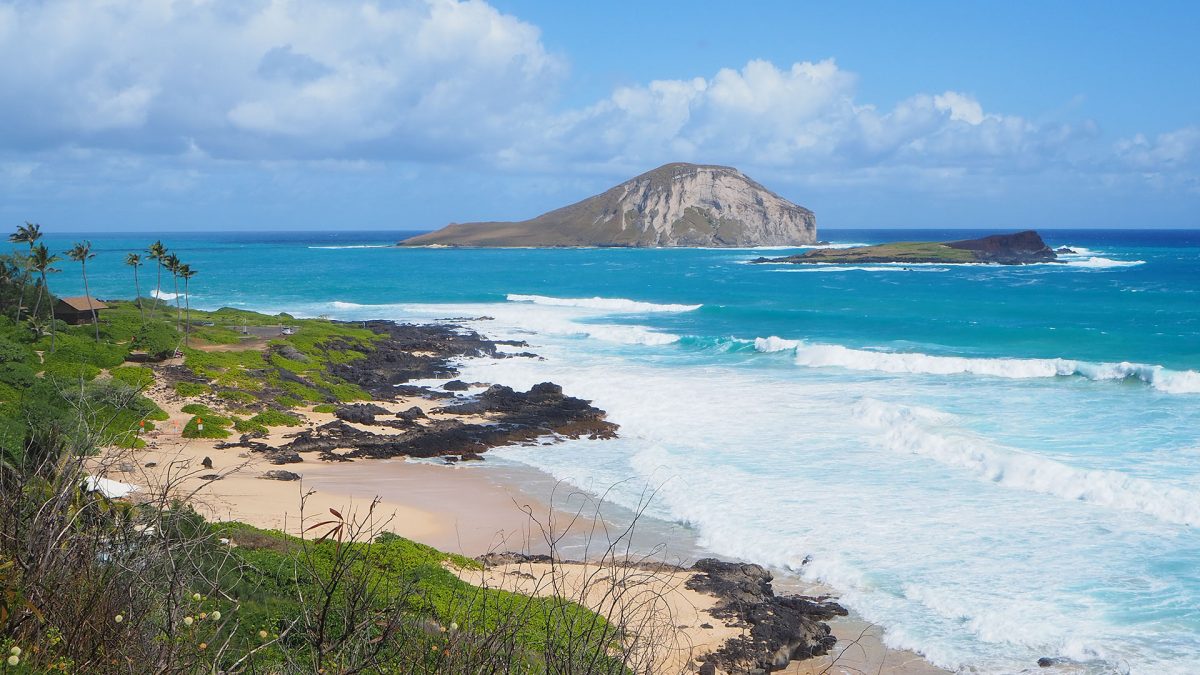
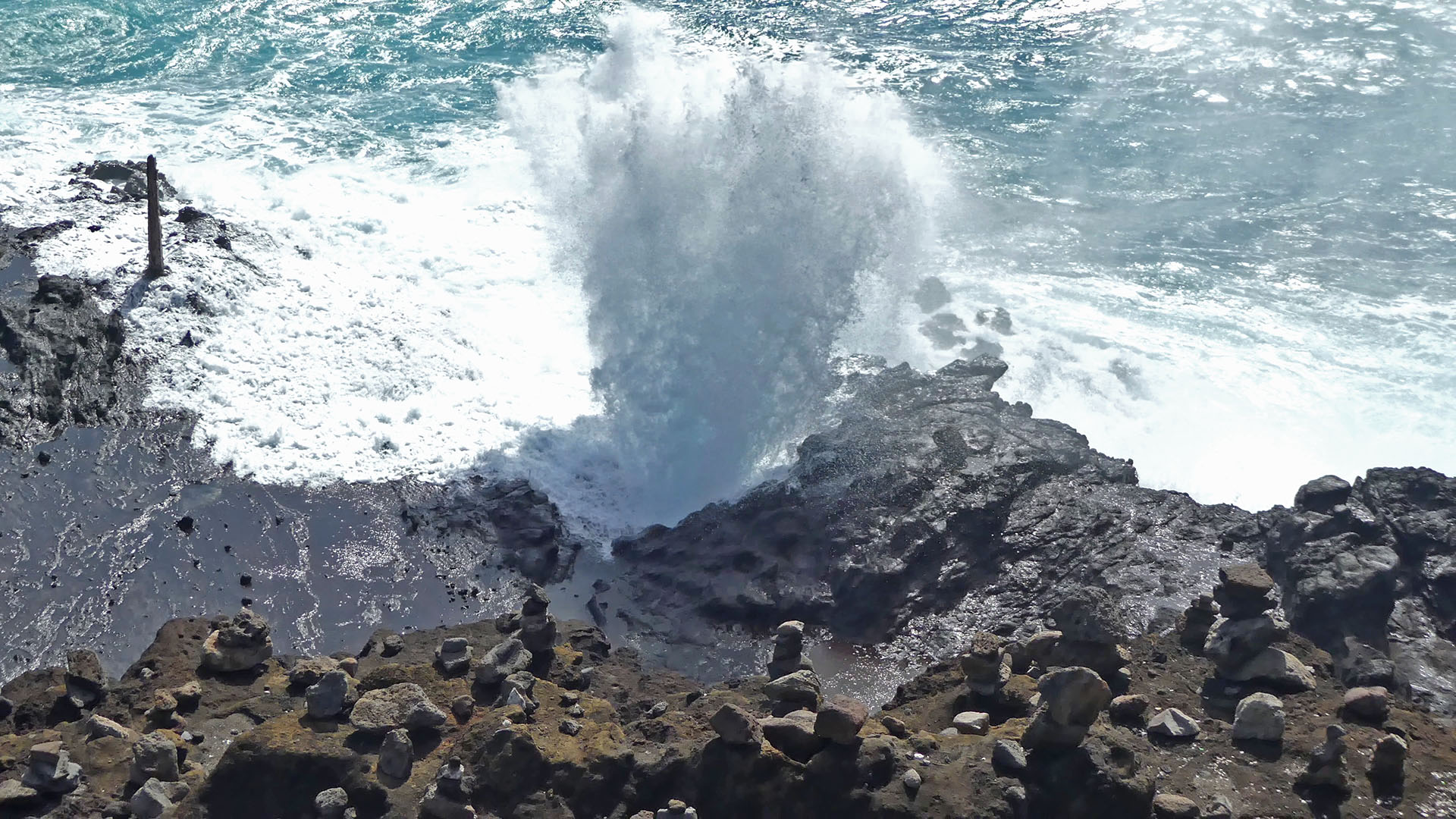
There is more on Oahu than Honolulu. At least nature-wise. The Halona blowhole spits water like a geyser, but it’s sea water pushed through the hole by strong waves.

Halona Blowhole

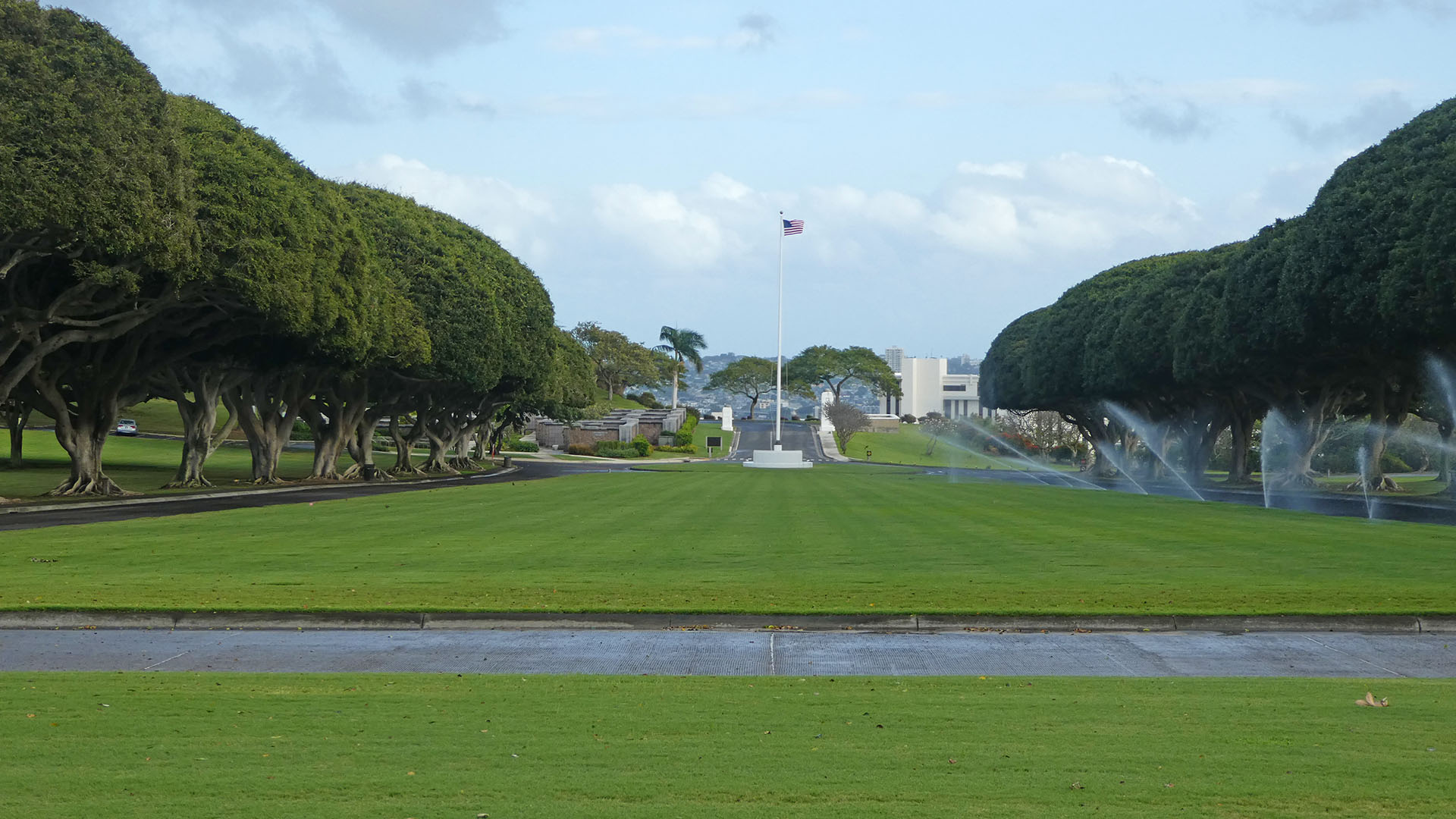
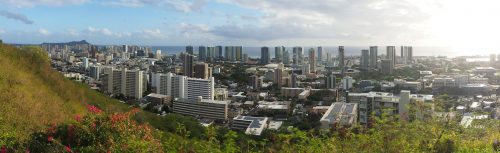
From there we did the circle around the Ko’alau range along the coast. Unfortunately, the weather got worse and we couldn’t spot any turtles, neither at Turtle Bay nor at Laniakea Beach. Before returning to Waikiki we drove up and into the Punchbowl Crater which contains the National Memorial Cemetery of the Pacific – and also offers a nice vista over the city.

National Memorial of the Pacific
Honolulu from Punchbowl Crater

Auckland

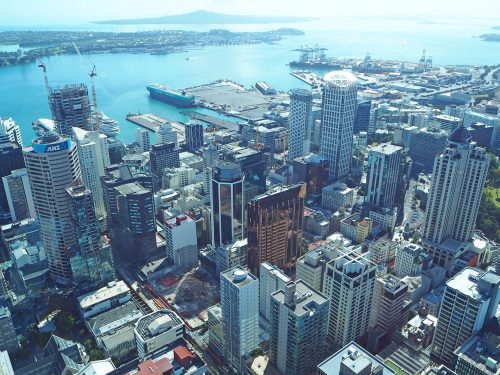
Auckland’s Sky Tower is 328 meters high, observatory deck is at 220 meters above ground level and offers a great view over the city.

City view from Sky Tower

Auckland was built upon volcanoes: the Auckland Volcanic Field counts 48 (dormant) volcanoes. Why not climb on some of them?

We took the ferry to Devonport and walked on Mount Victoria which is fortunately only 87 meters high, but providing a good view on Auckland’s skyline.

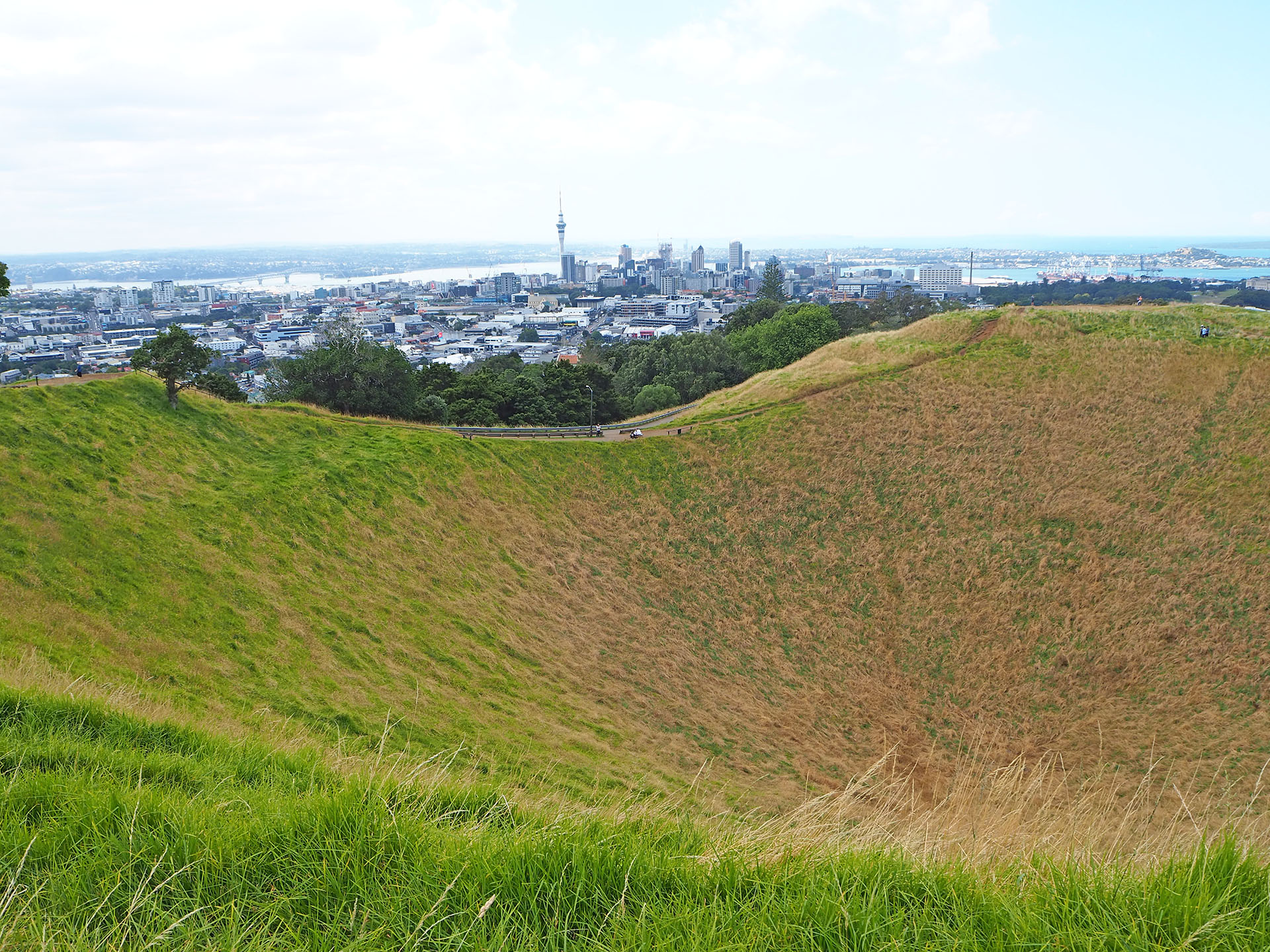
Next one was Mount Eden with its very obvious crater.

Mount Eden crater

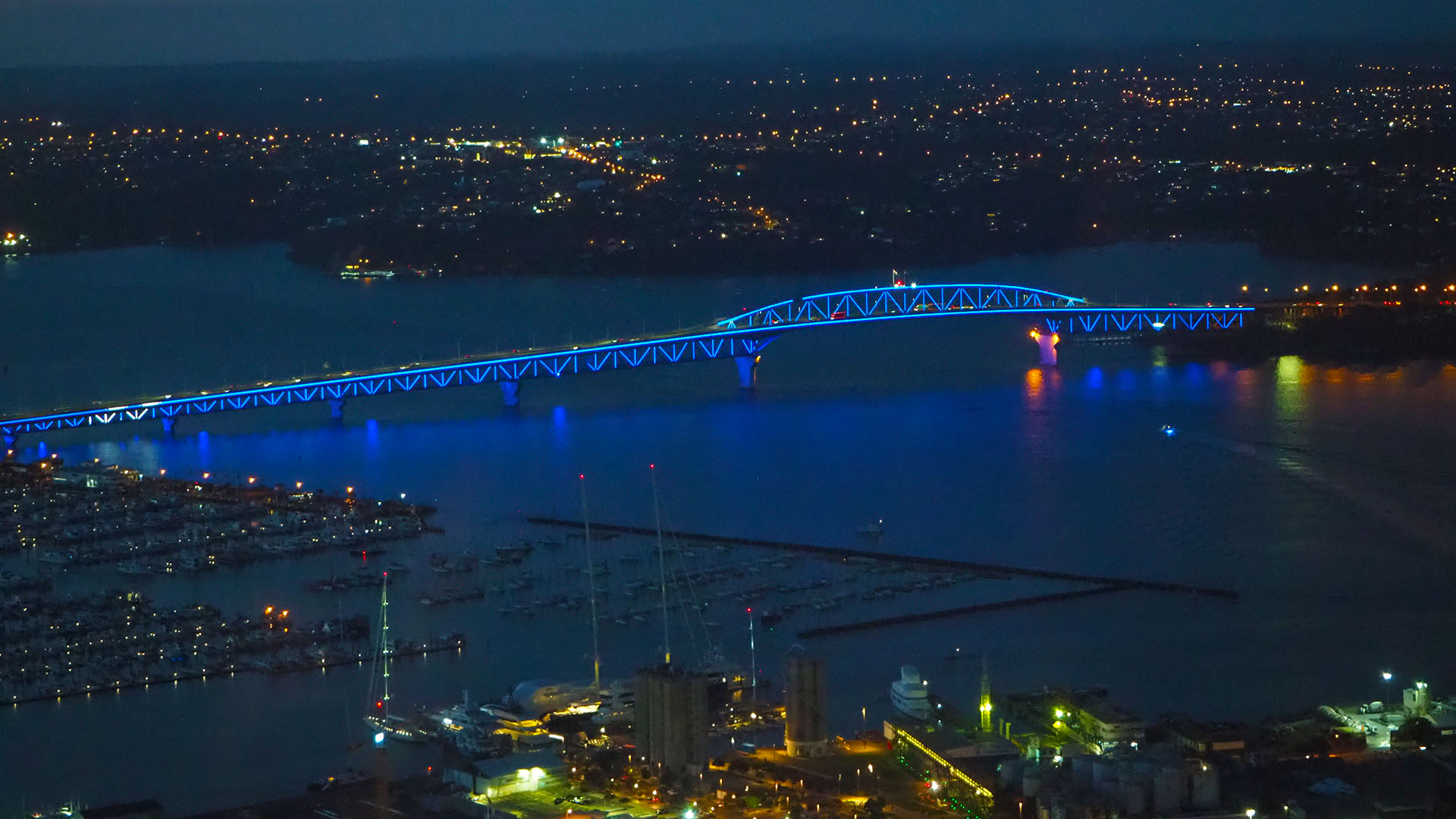
After a Mexican dinner we enjoyed the sunset and a light show from Sky Tower (again).

Light show